





Related: White House Proposes Weaker Emissions Goals, Opposes States Setting own Rules
Natural Gas Vehicle Group Heralds Attention Paid NGVs in Proposed Emission Rollback
An automotive-related sustainability stakeholder group has announced that it appreciates that language within the Trump administration’s proposed rule aimed at rolling back automobile fuel-efficiency targets set by the Obama administration reflects that "natural gas is an important part of the climate change battle."
August 6, 2018

A natural gas-fueled pickup truck.
Credit:
NGVAmerica
2 min to read
An automotive-related sustainability stakeholder group has announced that it appreciates that language within the Trump administration’s proposed rule aimed at rolling back automobile fuel-efficiency targets set by the Obama administration reflects that "natural gas is an important part of the climate change battle."
Natural Gas Vehicles for America, an umbrella group of companies and organizations that supports the marketing of natural gas-powered vehicles, said theproposed rule changes “reflect significant work” by Natural Gas Vehicles for America (NGVAmerica) and other natural gas vehicle (NGV) advocates. “The recently released proposed fuel efficiency requirements for light-duty vehicles suggest that natural gas is an important part of the climate change battle,” NGVAmerica stated in a news release.
“This joint proposal by the U.S. Department of Transportation and Environmental Protection Agency to update national automobile fuel-economy and greenhouse gas standards reflects a growing understanding in Washington that natural gas must be a growing part of the transportation fuel mix if we are to successfully address climate change concerns in a timely and cost-effective way,” said NGVAmerica President Dan Gage.
Gage said that the group also “greatly appreciates the administration’s work to offer a regulatory framework within which all alternative fuels, including natural gas, can compete based on their full emissions benefits.”
According to NGVAmerica, thenotice of proposed rulemaking includes “numerous natural gas citations, including that: “EPA received input from several industry stakeholders who supported expanding [these] incentives to further incentivize vehicles capable of operating on natural gas, including treating incentives for natural gas vehicles on par with those for electric vehicles and other advanced technologies, and adjusting or removing the minimum range requirements for dual fueled CNG vehicles.”
The group also stated that natural gas already has “a strong record as a clean, zero emission-equivalent, domestically available transportation fuel. And when the newest ‘Ultra Low-NOx’ natural gas engines are fueled with biogas – or renewable natural gas – captured from landfills, wastewater, and food and agricultural waste, its results are carbon-neutral or even carbon-negative.”
Gage added that NGVAmerica is “working so that, once concluded, this process to update fuel efficiency requirements will incentivize manufacturers to produce more NGVs and light-duty fleets to utilize more NGVs nationwide. Market realities prove consumers want choice. Increased natural gas options should be one, but we need a level playing field to make that happen.”
As the rulemaking process continues, NGVAmerica said it will continue to provide EPA and DOT with “guidance related to alternative fuel parity and incentives that expand the production and use of clean, domestically fueled natural gas vehicles.”
More Fuel Smarts
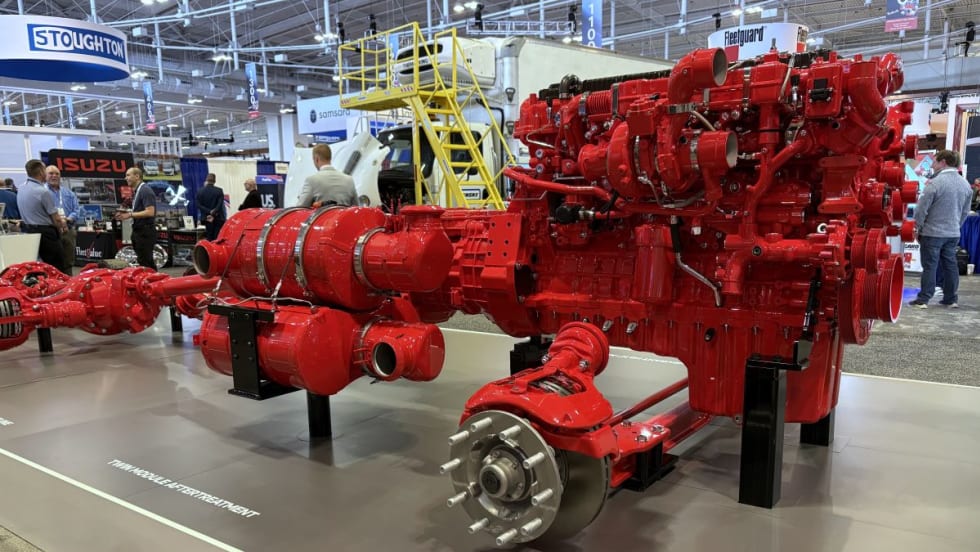
Cummins Adjusts 2027 Engine Rollout After EPA Proposal
The engine maker will gradually introduce its new Model Year 2027 diesel engines while continuing to offer current models during the transition, citing the EPA's proposed emissions rule changes.
Read More →
EPA Proposal Could Ease 2027 Truck Costs and Buying Uncertainty
The proposal doesn't change the tougher NOx standard, but it would revise key implementation requirements that manufacturers say have driven up costs and complicated fleet purchasing decisions.
Read More →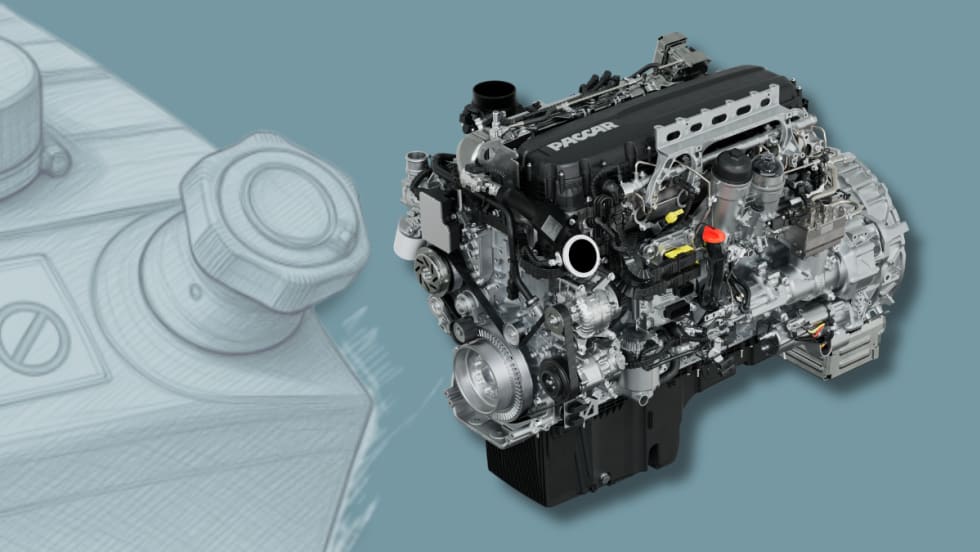
Cummins, Paccar Ease DEF Derates After EPA Guidance
Updated diesel engine software gives truck operators more time to address emissions-system issues while staying compliant with EPA emissions standards.
Read More →
Maintenance in the Messy Middle Part 3: Biodiesel
Biodiesel can reduce emissions, improve fuel-system lubricity and use existing diesel infrastructure. But NACFE’s Messy Middle maintenance report says fleets must actively manage storage, cold-weather operation, filters and oil drain intervals to avoid problems.
Read More →
Enhance Fleet Performance with High-Efficiency Auxiliary Power Units
Drive sustainable cost savings while increasing driver comfort during short- and long-haul logistics operations.
Read More →
Maintenance in the ‘Messy Middle’ Part 2: Renewable Diesel Fuel
NACFE's latest Messy Middle Powertrain Service & Maintenance report says renewable diesel gives fleets an opportunity to reduce carbon emissions without changing trucks, fueling infrastructure or maintenance practices. But technicians still need to understand several important operational differences.
Read More →
The Diesel Engine Enters NACFE’s ‘Messy Middle’
NACFE’s new Messy Middle Powertrain Service & Maintenance report says keeping modern diesel engines running now depends as much on software, diagnostics and data as traditional mechanical service.
Read More →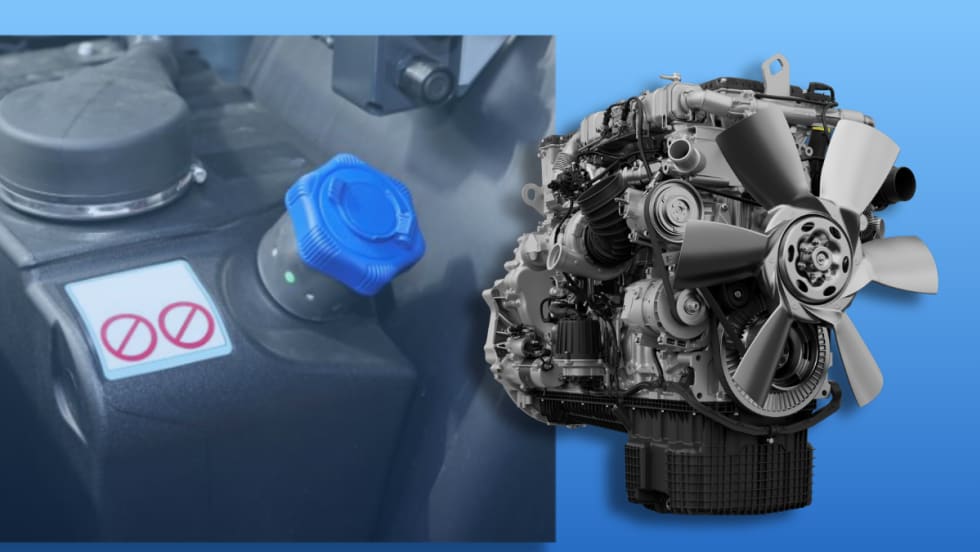
DTNA Software Update Gives Truckers More Time Before DEF Derates Take Effect
The changes reflect EPA guidance aimed at reducing downtime caused by emissions-system faults while maintaining compliance requirements.
Read More →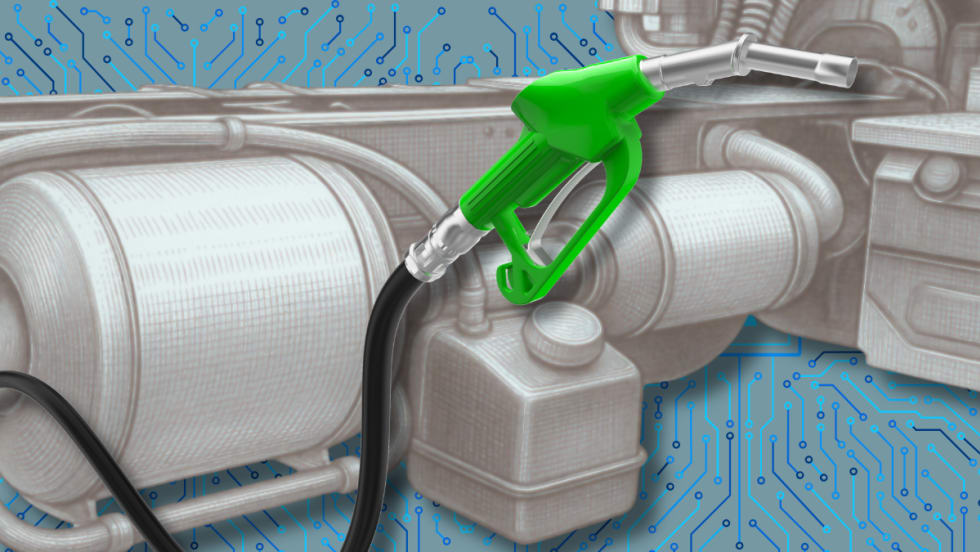
New Agentic Predictive Maintenance Report Demonstrates How Degraded Aftertreatment Systems Waste Fuel
Questar analyzed a large mixed-class fleet and discovered it was wasting as much as $30 in fuel per vehicle, per day, because of mechanically degraded aftertreatment systems.
Read More →
New York City's Microhub Project is Delivering Results
Trucking, last-mile delivery companies, and environmental advocates like what they are seeing so far with New York's microhub program.
Read More →