




Multiple Lawsuits Filed Against Navistar Over International MaxxForce Engines
Lawyers for trucking companies have filed lawsuits in three states against the parent company of International Trucks, claiming Navistar failed to disclose known defects and problems with its EPA 2010 MaxxForce engines.
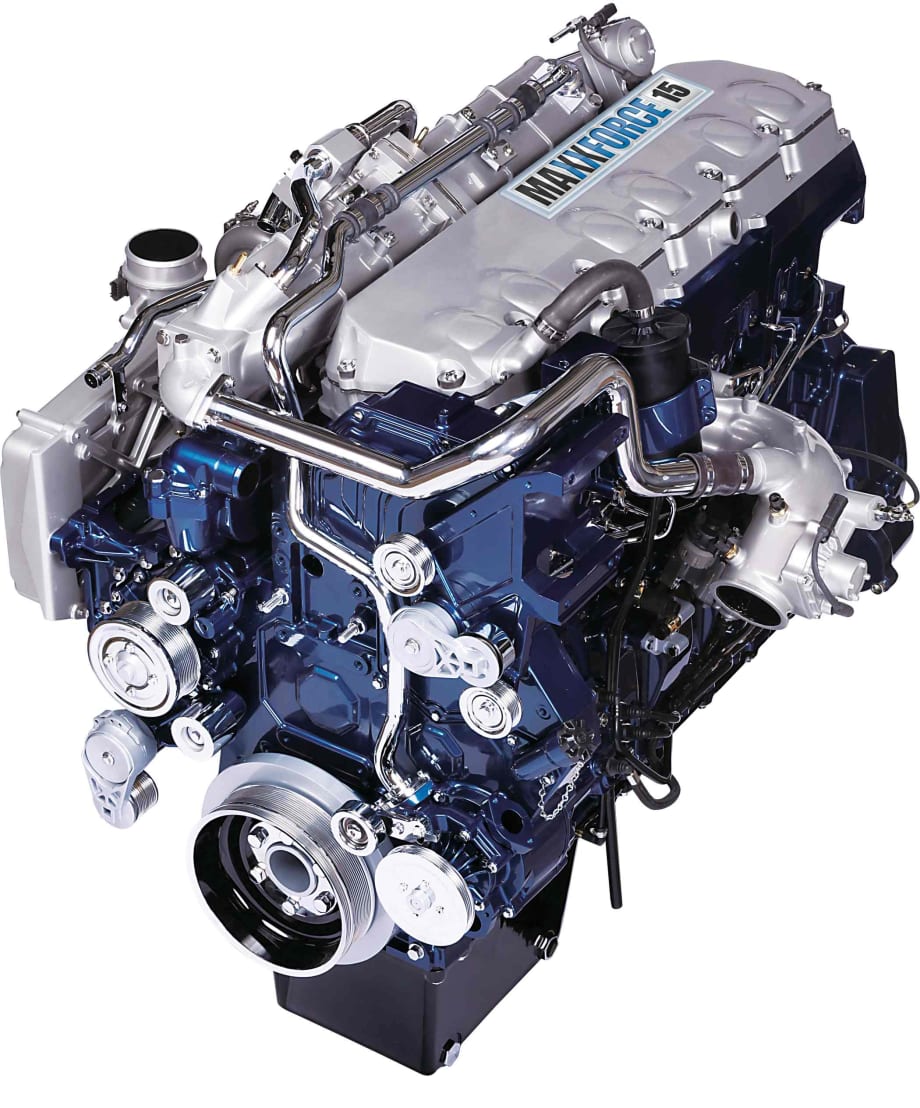
Lawyers for trucking companies have filed lawsuits in three states against the parent company of International Trucks, claiming Navistar failed to disclose known defects and problems with its EPA 2010 MaxxForce engines.
According to a release from the law firm Miller Weisbrod, Dallas, Navistar also misled its clients regarding Navistar’s exhaust gas recirculation technology on the engines, including them being certified to meet the Environmental Protection Agency’s 2010 emissions standards.
The law firm is representing Americorp Xpress Carriers, Texas; First Express, Tenn.; and Floyd Blinsky Trucking, Washington, in the suits.
The lawsuits involve model years 2011 and 2012 International tractors with MaxxForce engines. They also name the clients’ respective International truck dealers, who sold and/or performed repairs on their tractor-trailers. The cases were filed in state courts in Dallas, Nashville, and Tacoma.
The lawsuits allege that the trucking companies have experienced repeated and excessive breakdowns to their trucks powered by the MaxxForce engines, including components such as the EGR cooler, EGR valve, turbochargers, and clogged fuel injectors.
They seek “to recover lost profits due to the unreasonable downtime, out-of-pocket expenses related to the breakdowns and the diminished value on trade-in or resell for the units due to their excessive repair histories and failure to be EPA 2010 emissions regulations certified,” according to a press release from the law firm.
“We believe the evidence is going to show that Navistar chose a path different than all other engine manufacturers when it decided to forgo the selective catalytic reduction technology and rely upon engine heat to lower the NOx emissions to EPA permissible levels,” said Clay Miller, partner, Miller Weisbrod, in the release. “It should have been obvious that raising engine heat to such high levels would lead to breakdowns and component part failure. We believe that engineers inside the company were warning management of the risks of raising the engine heat and that the EGR-only strategy would not meet the EPA requirements for NOx emissions.”
In July 2012, Navistar announced that it was ceasing the production of all 15-liter MaxxForce Class 8 heavy-duty diesel engines and was abandoning the use of its EGR-only technology on all other Class 8 engines.
“Our investigation has revealed the problems with the MaxxForce engine are pervasive throughout the trucking industry. Our firm is representing numerous other companies and anticipate filing dozens of more cases in states across the country,” said Miller.
When contacted about the lawsuit, Navistar spokesperson Elissa Maurer said, “As a matter of a company policy, we don’t comment on pending litigation.”
Previously, Miller Weisbrod successfully represented dozens of trucking companies in over 15 states in the nationwide litigation against Caterpillar relating to problems in its Class 8 engines and the emissions control system that were designed to meet the 2007 EPA emissions requirements. The law firm said it took numerous depositions of top Caterpillar engineers and truck engine management personnel before resolving the cases for a confidential sum.
Related Stories:
Navistar's Turnaround Progress Overshadowed by Warranty Problems
Navistar Details Product Changes, Thinking Behind Emissions Strategy Change
More Equipment

More Trailer Data Through the Same Seven-Way [Video]
Can trucking’s standard seven-way connector handle more cameras and trailer data? Grote’s Adam Slade shows HDT how the company is using new technology with its 4See trailer system, not only to add a new backup camera but also to expand other capabilities — without adding another connection.
Read More →
Grote: More Cameras, Same Seven-Way Connector
The next-generation 4See rear-view backup camera from Grote uses the standard seven-way connector and supports additional cameras and other trailer data.
Read More →
Trucks at ATA's 2026 MC&E in Charlotte, North Carolina [Photos]
From rigs decked out in patriotic America's 250 paint schemes to autonomous trucks and more, check out these photos from ATA's 2026 Management Conference & Exhibition.
Read More →
Help HDT Find Trucking’s Top Products
Have you come across a new product that could make a difference for trucking fleets? Nominate it for HDT’s 2027 Top 20 Products Awards by November 9.
Read More →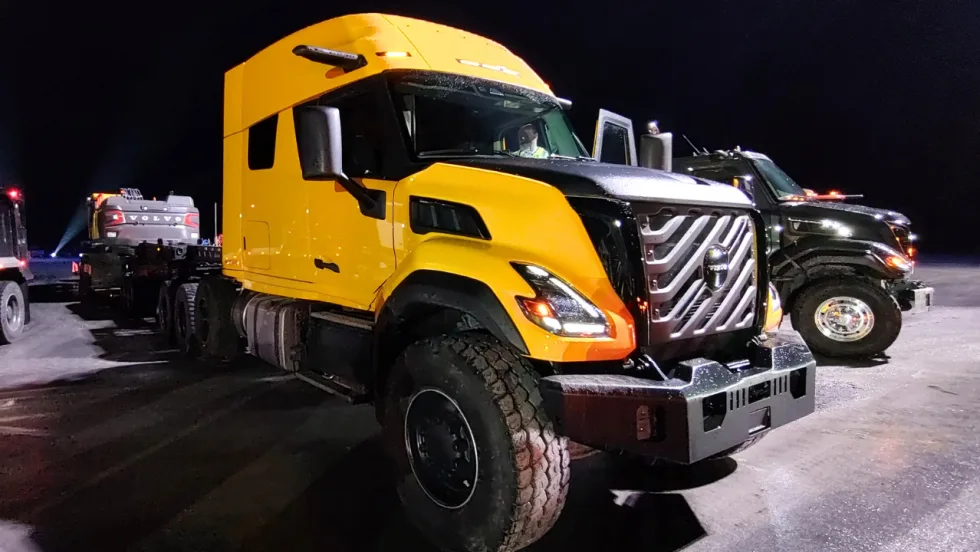
Volvo Unveils New VNX Heavy-Haul and Vocational Truck
Volvo Trucks has launched the VNX, a new vocational truck also available as a tractor in day cab and two sleeper configurations, with one heavy-haul model. The Volvo VNX is powered by Volvo's D13 platform, which delivers up to 540 horsepower and 1,950 pound-feet of torque and is EPA 2027-compliant.
Read More →
How GP Transco Cuts Trucking Fuel Costs, a Tenth of a Gallon at a Time
What’s another tenth of a mile per gallon worth? GP Transco shares how equipment upgrades and driver coaching turn small gains into meaningful fuel savings.
Read More →
Electric Yard Tractors Move Beyond Pilots
Operating-cost savings have overtaken sustainability goals as the leading reason surveyed fleets are adopting battery-electric terminal tractors, according to new NACFE research.
Read More →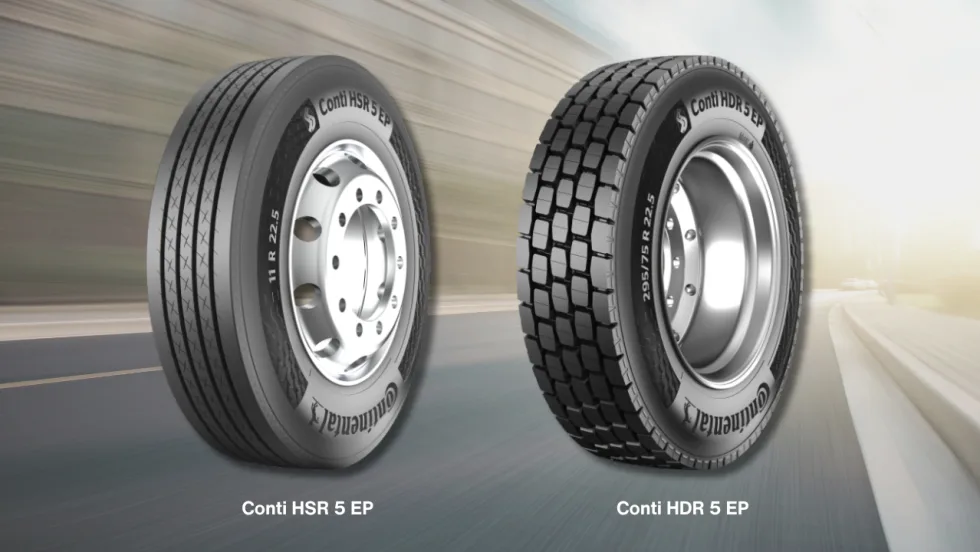
Continental Introduces New Regional Truck Tires
Continental says its new Generation 5 steer and drive tires for regional operations offer longer tread life, with estimated mileage gains of 22% and 19%, respectively.
Read More →
Tekmodo Introduces CargoBright Brand for Translucent Trailer Roofs
CargoBright is designed to diffuse daylight across the cargo area while performing as a working vehicle roof.
Read More →
Fleet Economics Shape Electric Truck Outlook
ACT Research expects costs, charging infrastructure, and technology improvements to drive zero-emission commercial vehicle adoption as federal regulations and incentives retreat.
Read More →