




More States Want Snow/Ice Off Trucks
The word is out from statehouses and state police barracks in states from Pennsylvania to Vermont that for safety’s sake, snow and ice should be cleared off trucks before they take to the roads.

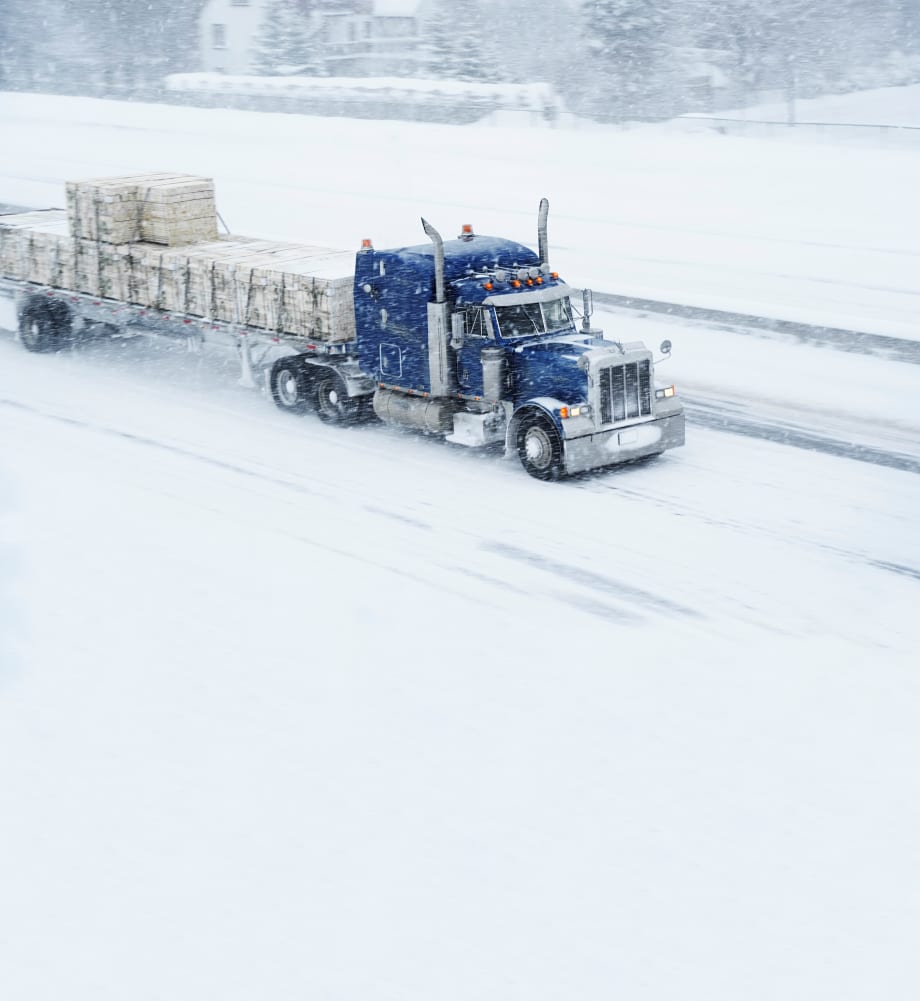
Photo: Maxwell Technologies
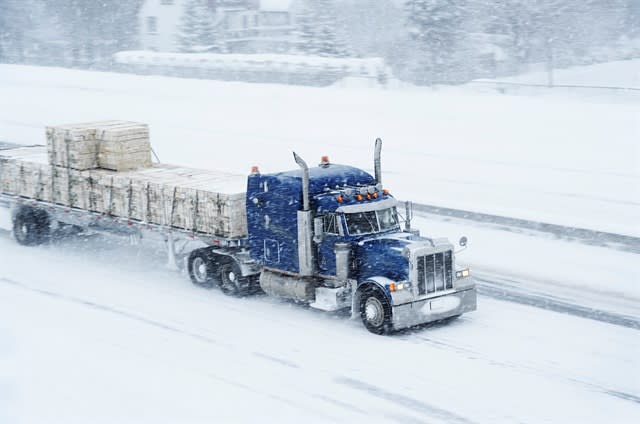
Photo: Maxwell Technologies
The late January “Snowzilla” blizzard aside, this winter in the Northeast so far pales in ferocity to the seemingly endless parade of snowstorms that pounded the region a year ago.
Nevertheless, the word is out from statehouses and state police barracks from Pennsylvania to Vermont that for safety’s sake, snow and ice should be cleared off trucks before they take to the roads.
In the Keystone State, Senator Sen. Lisa Boscola (D-18) has reintroduced a bill that would allow the police to stop a trucker if they believe snow or ice accumulated on a truck poses a threat to persons or property.
The bill's language contends that any driver of a vehicle of gross weight exceeding 48,000 pounds has “an affirmative duty to make all reasonable efforts to remove all accumulated ice or snow from the motor vehicle,” including the roofs of tractors and trailers.
Pennsylvania Senate Bill 94 calls for those cited for operating with accumulated snow or ice — whether or not any of it came loose — to be fined $25 to $75 per occurrence. In addition, “when ice or snow falls from a moving vehicle and strikes another vehicle or pedestrian causing death or serious bodily injury,” the driver would be fined no less than $200 and up to $1,000 for each offense.
Speaking at a Jan. 27 hearing on the bill, Boscola said the bill is “about safety and responsibility. Safety for motorists and truckers alike as well as responsibility for freight and shipping companies to be a good corporate neighbor and to install appropriate snow removal equipment.”
She added that if the language of the bill “doesn’t satisfy the trucking community, I would be happy to work with them on language they can support.”
During the hearing, Jim Runk, president and CEO of the Pennsylvania Motor Truck Association, said the group had been working on how best to overcome the challenge of removing snow and ice “for years” with manufacturers, noting that ice removal is the biggest problem, per a York Dispatch report.
“The problem is the tops of trailers are made up of fiberglass or other thin material, so it can't be walked on and you have to be careful about tearing it up when removing the snow," said Runk.
He also remarked that "loads could have hospital supplies or food or whatever that needs to be delivered, so what's a 'reasonable effort' when you're driving up from Arizona? We're not fighting [the bill], but we want to come up with realistic solutions.”
"We get that it's hard, but the bottom line is that this is a safety issue," said Steve DeFrank, Sen. Boscola’s chief of staff. “[The fines are] low intentionally because we know this is controversial," he added. "I'm not sure this is a deterrent, but it's more about creating awareness."
Meanwhile, in neighboring New York State, legislation has been introduced to address snow and ice accumulation on vehicles. Kendra Hems, president of the New York State Motor Truck Association, told HDT that two similar bills are under consideration by the transportation committees of both the Assembly and the Senate.
In another New York neighbor, Vermont, no law is yet on the books requiring snow and ice removal from vehicles. That was pointed out in a Jan. 30 Burlington Free Press news report on “a large chuck of ice” that came off a tractor-trailer and went through the windshield of an oncoming SUV to injure its driver.
The newspaper noted that the Green Mountain State does not have a law regarding the removal of snow and ice from trucks.
The Burlington Free Press also reported that in December 2014, the Vermont State Traffic Operations Unit issued a press release that stated: “The Vermont State Police wants to remind the motoring public to clear all snow and ice from the roof and windshields of their vehicles. Snow dislodging from a moving vehicle creates an extreme driving hazard for all motorists."
More Safety & Compliance
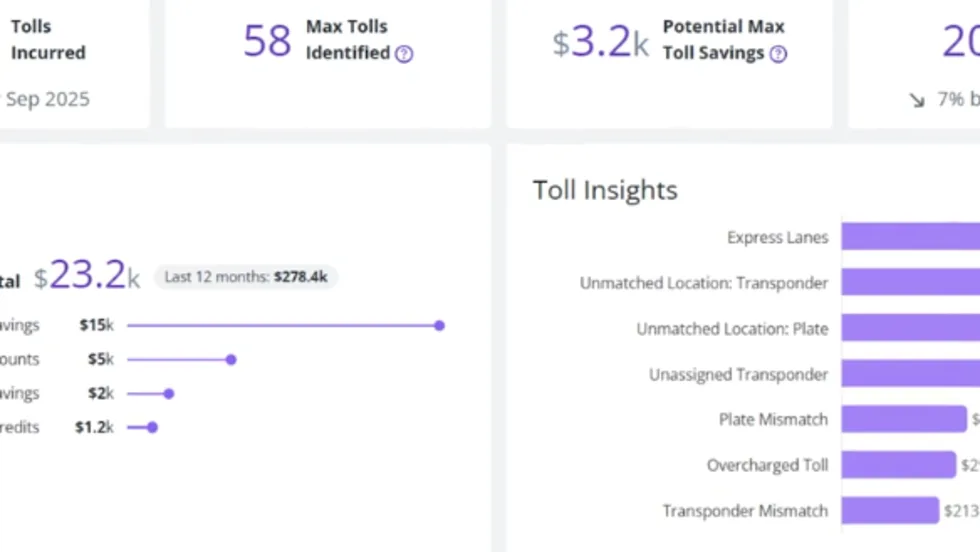
PrePass Intelligence Mines Fleet Bypass, Toll and Safety Data
PrePass Intelligence helps fleets measure bypass savings, flag potential toll overcharges, and spot suspicious transactions by combining data from separate systems.
Read More →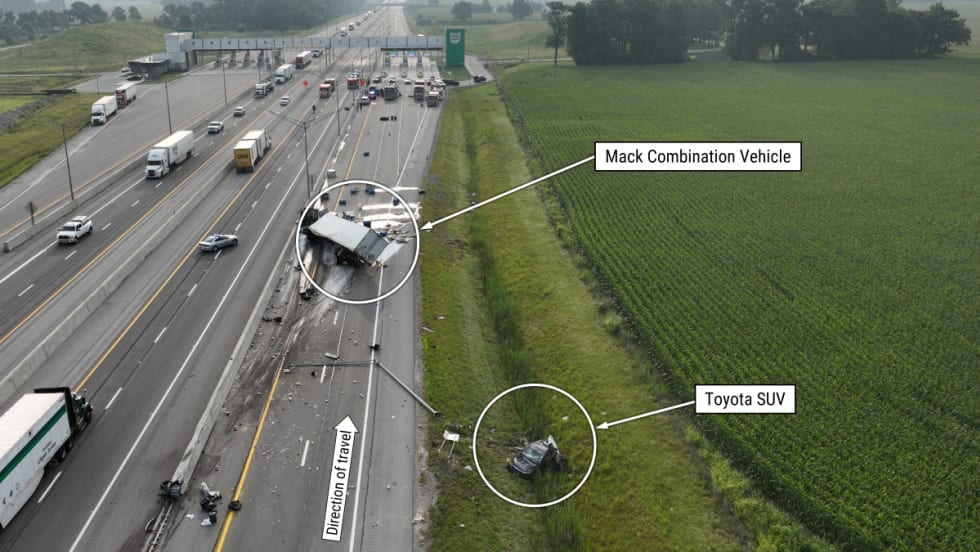
Fatal Crash Exposes Toll Plaza Risks
An NTSB investigation found that last-minute lane changes and large speed differences at an Ohio toll plaza created a hazard the truck driver couldn't avoid in time.
Read More →
When Language Stops the Truck: The Return of ELP Out-of-Service Orders
English language proficiency rules for commercial drivers aren’t new, but renewed out-of-service enforcement has raised the stakes. Here’s what carriers need to know before a driver reaches a roadside inspection.
Read More →
A Camera Isn't a Safety Program. Here's What Brokers Are Screening for Now
Footage alone may not be enough to pass broker vetting processes. Here's what counts as a defensible safety program now.
Read More →
Marijuana and Trucking’s Drug-Testing Dilemma
Marijuana is getting stronger, laws are changing, and drug tests still can’t reliably establish impairment. What does that mean for truck drivers and the fleets that employ them?
Read More →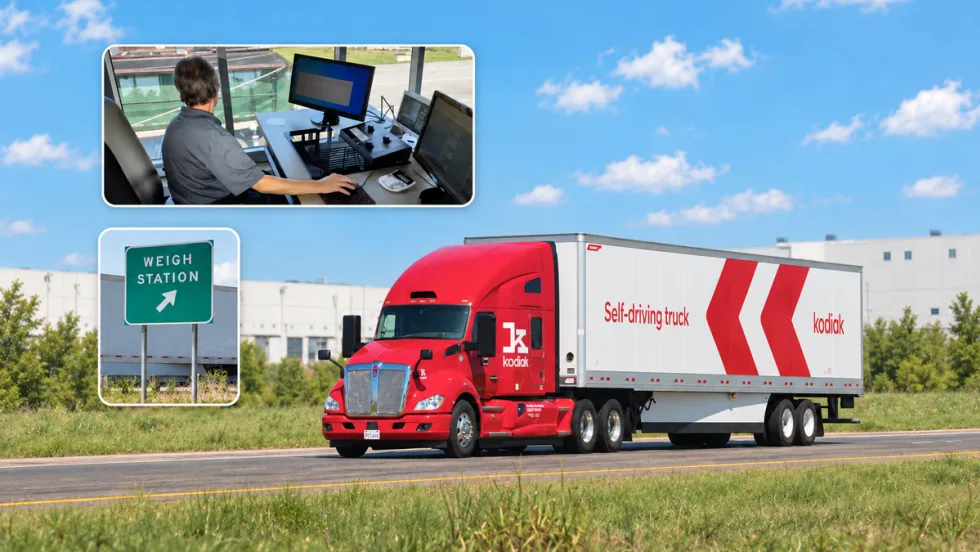
PrePass, Kodiak Connect Driverless Trucks to Roadside Enforcement
The system will allow enforcement agencies to verify Enhanced Inspection information and decide whether Kodiak’s autonomous trucks can bypass roadside screening sites.
Read More →
From One Generation to the Next: How Mentorship Builds Safer Truck Drivers
After three decades in trucking, Harold Perry shares what he's learned about driver safety, mentorship, and helping the next generation build confidence behind the wheel.
Read More →
FMCSA Pauses Biennial-Update Enforcement Amid Motus Transition
Carriers whose updates were due on or after June 1 have more time, while FMCSA works to stabilize its new registration system and warns of phishing sites impersonating its new carrier registration system, Motus.
Read More →
ZF Expands Commercial Vehicle Push in North America
ZF is expanding its North American commercial-vehicle presence with new transmission applications, electrification, trailer technology and autonomous-driving systems.
Read More →
Truck Drivers Need More Than Another Alert
Fleets have more visibility into truck health, safety events, and driver activity than ever. The next challenge is turning all that information into useful guidance for the person who has to decide what to do next.
Read More →