




FTR Conference: Expect a Freight Recovery, Just Not a Big One
While a recovery for freight and the overall U.S. economy is in the cards for the fourth quarter of the year, those attending the first sessions of the FTR Transportation Conference in Indianapolis on Wednesday were also told by experts they should not expect a huge boom.


FTR economist Noel Perry said it would be prudent to prepare for the possibiilty of a recession. Photo: Evan Lockridge
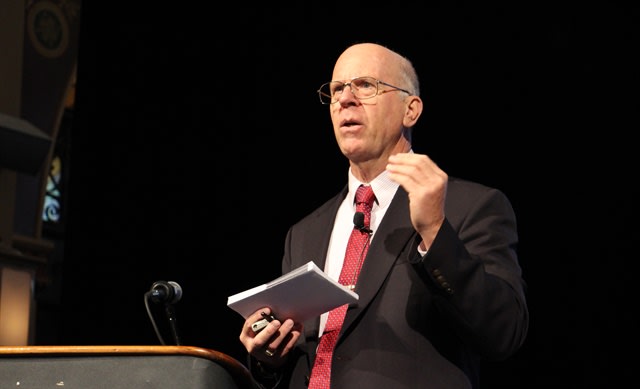
Daniel Meckstroth, chief economist with the Manufacturers Alliance for Productivity and Innovation, expects a fourth-quarter spike in production.Photo: Evan Lockridge
While a recovery for freight and the overall U.S. economy is in the cards for the fourth quarter of the year, those attending the first sessions of the FTR Transportation Conference in Indianapolis on Wednesday were also told by experts they should not expect a huge boom.
Daniel Meckstroth, chief economist with the industry group the Manufacturers Alliance for Productivity and Innovation (MAPI), said that after a long while July shows “the first indication that the manufacturing inventory-to-sales ratios are falling” after higher levels hurt freight shipments earlier in the year. The July level is also the lowest in about two years.
“In the future, we are going to get a spike in production, I think is going to occur in the fourth quarter … not only in the manufacturing sector but [also] in the U.S. economy,” he said.
The reason, Meckstroth said, is that inventory cycles, such as the high one manufacturing has experienced lately, are usually short. When they are over, you typically see a spike in production.
High inventories have been a drag on economic activity as well as freight movements, but now they are coming into closer balance. This results not only in better sales of manufactured goods but others as well, resulting in an improvement in the general economy.
Helping this along is the ever-resilient U.S. consumer, who accounts for about 70% of all U.S. economic activity. Meckstroth said “consumers are keeping us out of a recession.” How are they doing it? Because, as he put it, “we are in a jobs boom, with the percentage of new jobs being adding being much faster than overall economic expansion.”
“It’s new jobs creating new income…that’s what’s propelling the U.S. economy right now.”
However, there are still other problems lingering that will keep both trucking and the economy from seeing better times.
According to Meckstroth, a strong U.S. dollar is a problem, because it makes export goods produced here more expensive overseas. He also pointed to figures showing the physical volume (as opposed to dollar volume) of world trade has slowed dramatically, depressing U.S economic growth.
“If you go back 20 years before the last recession, trade was growing two to three times the rate of the global economy. Now it’s growing slower than the growth of the global economy,” he said. “We’re not seeing globalization anymore. We’re seeing deglobalization.”
In other words, expect only “modest” growth, or as he called it “the new normal” in both the economy and trucking.

FTR economist Noel Perry said it would be prudent to prepare for the possibiilty of a recession.Photo: Evan Lockridge
Even then it may not last for long, according to Noel Perry, FTR’s transportation economist.
As he explained it, the current recovery from recession is one of the longest since 1950 and it has been one of the weakest. Perry said there is a 30% to 40% probability an economic recession will hit in the next two or three years.
“You should prepare for that,” he told those listening and warned those who don’t do so at their own peril. “It’s like saying, it ain’t gonna snow tomorrow, but I know it’s gonna snow sometime in the next month, so I better get my snow blower out of the garage, put gas in it and make sure it starts. Well, I’m telling you the same thing about a recession.”
The reason he (and others) see a recession in the next two or three years is simply the growth of the overall economy has slowed.
According to Perry, if there is a recession, trucking can expect to see business decline by 5% to 6%, with rates falling about the same. For comparison, in the last recession the declines were much larger, around 15% – meaning the next recession, if it happens, will be much milder.
More Fleet Management

What the U.S.-Canada Trade War Means for Trucking
Escalating U.S.-Canada tariffs could disrupt cross-border freight, reduce truck volumes, raise costs, and create new uncertainty for carriers on both sides of the border.
Read More →
What Are Trucking’s Top Concerns for 2026?
The American Transportation Research Institute wants to know what's worrying trucking fleet managers, drivers, and other stakeholders in its annual Industry Issues survey.
Read More →
American Trucking Associations Looks for a New Leader
ATA President and CEO Chris Spear abruptly left his job at the association on August 21, at a pivotal time for the trucking industry.
Read More →
Public Wi-Fi Cybersecurity Risks: How Truck Drivers and Fleets Can Protect Their Data
Public Wi-Fi can expose truck drivers and fleets to credential theft, malware, and other cyber threats. Here’s how to reduce the risk on the road.
Read More →
For Nicky Cupp, Fleet Innovation Starts With Frustration
HDT Truck Fleet Innovator Nicky Cupp turns everyday pain points at Fraley & Schilling into opportunities for better technology and smarter processes.
Read More →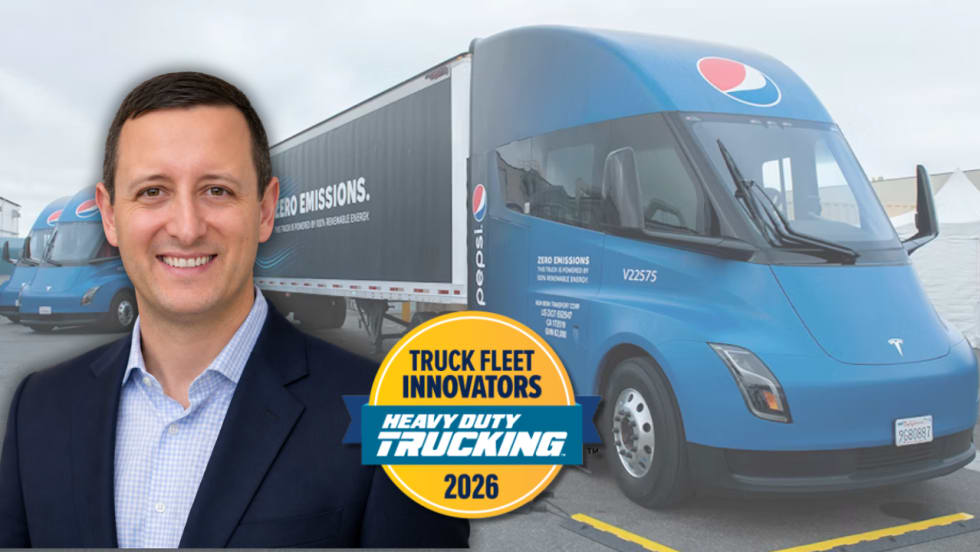
Adam Buttgenbach’s Approach to Electric Trucks: Start With Where They Fit
HDT Truck Fleet Innovator Adam Buttgenbach helped PepsiCo build one of North America’s largest EV fleets by focusing on where electric trucks make operational sense.
Read More →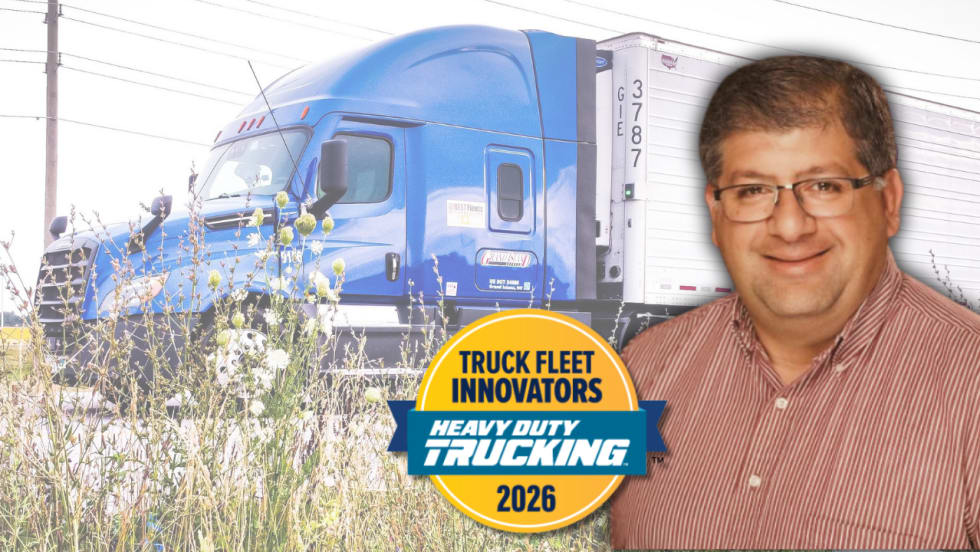
Deen Albert: Let Automation Do the Math, People Make the Decisions
HDT Truck Fleet Innovator Deen Albert makes sure people are still at the heart of operations at Grand Island Express, even while adopting artificial intelligence tools. AI-assisted dispatch helped boost revenue 25% with the same number of trucks.
Read More →
Trimble’s New AI Agent Takes Aim at Fleet Back-Office Busywork
Arc Agent works across Trimble TMS products to automate repetitive tasks such as freight orders, maintenance, invoices, fuel costs and more.
Read More →
How HDT’s 2026 Truck Fleet Innovators Are Rethinking Fleet Operations
Meet five trucking leaders who are challenging assumptions, solving operational problems, and putting innovative ideas to work.
Read More →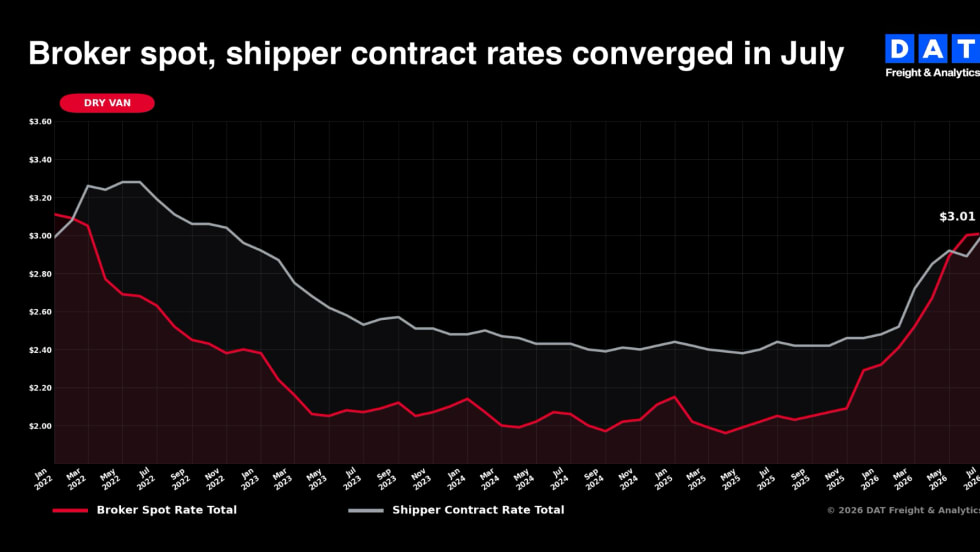
Tight Trucking Capacity Pushes Rates Higher Even as Freight Volumes Fall
“Spot rates moving ahead of contract rates have historically signaled a tightening market, but we haven’t seen a capacity-driven market quite like this one,” said DAT's Dean Croke.
Read More →