





Peterbilt Chief on EVs, Autonomous Tech and the New Model 579
4 Ways to Accelerate Electric Truck Adoption
At the ACT Expo in Long Beach, California, Peterbilt General Manager Jason Skoog mapped out four decisive moves he’d like to see happen to accelerate electric truck sales in North America.
September 1, 2021
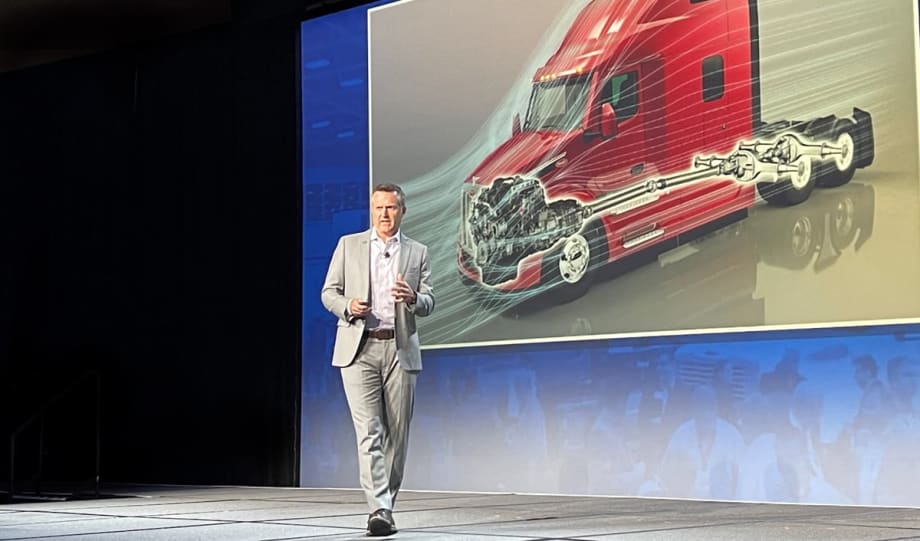
At the ACT Expo in Long Beach, California, Peterbilt General Chairman Jason Skoog mapped out four decisive moves he’d like to see happen to accelerate electric truck sales in North America.
Photo: Jack Roberts
5 min to read
Electric trucks are making headway quickly in North America and Peterbilt General Manager Jason Skoog said there are four specific things the trucking industry can do to propel electric trucks into mainstream use even sooner.
Skoog made his remarks as the keynote speaker at the Advanced Clean Transportation Exhibition (ACT Expo) on Aug. 31, and began by noting that Peterbilt designed and built its first heavy-duty electric truck back in 1998.
“That truck had a 3,000-pound lead-acid battery and got nine miles from a single charge,” he said, chuckling. “But we’re doing a lot better now with that technology.”
In 2019, Peterbilt unveiled its first generation of new electric trucks. It began series productioin of three battery-electric trucks this year, including the Model 579EV, the Model 520EV and the Model 220EV.
“We were the first OEM to announce production availability of electric trucks 12 months ago,” he added. “And today, we are very proud to announce that we have 400 orders in our backlog for these trucks today."
Peterbilt electric trucks are currently running daily routes in both Anchorage, Alaska, and Boise, Idaho. The OEM is getting “fantastic” feedback from the fleets evaluating those trucks. “We also have 10 Model 579EV tractors working at the Port of Oakland, California now,” he said. “We’ll soon have trucks working in the Port of Long Beach, California, as well, and have another 60 scheduled to be built and delivered to the ports by year’s end.”
Skoog said currently, nearly 100% of refuse truck roles can be filled by battery-electric trucks. He noted that around 35% of current Class 8 trucks average 250 miles or less per day, making them good eventual candidates for electric trucks.
“That leaves 65% of Class 8 trucks that run more than 250 miles per day,” he added. “And I think we’ll have to wait for significantly improved batteries or viable hydrogen fuel cell technology before we’ll start seeing fleets in those applications move away from diesel.”
But, Skoog said, if North American fleets are interested in electric trucks and would like to accelerate their acceptance and usage around the country, he sees four vital actions that need to happen to encourage that shift.
1. Invest in National Charging Infrastructure
“We must have a viable, national charging infrastructure,” Skoog told ACT Expo attendees. “Medium- to large-scale charging systems require heavy construction, including trenching work and installing transformers. This is expensive and time-consuming to do. Additionally, it takes significant financing to accomplish.”
To help fleets with this, Skoog said Peterbilt is offering electric truck charging systems for sale through its Paccar Parts division. Additionally, the OEM is now offering a variety of advisory services for fleets interested in electric trucks, including site assessments and project management.
“We start with the truck and move immediately to infrastructure,” he said. “We tell our customers they must start working on the infrastructure problem the moment they decide to put an electric truck in their fleet.”
2. Drive Down Prices of Electric Trucks
Secondly, Skoog said, changes need to be made to drive electric truck prices down. To help here, Peterbilt has a dedicated grant writer on staff to help fleets find government grants to assist in subsidizing the cost of electric trucks.
The OEM also has an online operating cost calculator that lets fleets plug in operating variables to get a clear picture of what an electric truck’s total operating cost will be compared to a conventional diesel truck.
“But we need more,” he said. “Right now, the 2024 California Air Resource Board Zero Emissions Sales Requirements are pushing truck OEMs to build a certain number of electric vehicles. But there is no customer purchase requirement on the other side of the equation. Now, I understand that many of you out there would prefer rules that require OEMs to build the trucks, without any requirement that you buy them. But if we’re going to get costs down and bring production to scale, we need better customer-OEM alignment on this front. And common interests — both a requirement to build and a requirement to buy — will move electric trucks forward much faster.”
3. Change Tax Rules
Skoog said he would like to see tax rules changed so fleets could take tax credits on the front end of the sale, at the time a truck is purchased.
“We are working with Calstart to put an option in that will let fleets take that credit up front,” he said. “We believe that the most effective incentives are the ones that are there at the time of purchase.”
Another financial move Skoog supports is eliminating or reducing the 12% Federal Excise Tax on new trucks.
“That’s the highest tax anyone pays for new products in this country,” he added. “I’d like to see it gone for all trucks. But if we can’t do that, can’t we at least remove it to help boost electric truck sales?”
4. Re-examine Commercial Vehicle Weight Laws
And finally, Skoog said it’s time to re-examine commercial vehicle weight laws to boost electric truck sales.
“We have a 2,000-pound offset for electric trucks now,” he said. But it’s not enough. “In some cases, electric trucks are carrying 4,000 pounds less payload than a diesel truck.”
To put that in perspective, Skoog pointed to cement mixers.
“If a mixer is pouring a house foundation, that’s four loads of cement in a diesel truck,” he said. “But with our current weight laws, an electric mixer would have to make five trips to that jobsite, with corresponding losses in time, additional traffic congestion efficiency.”
To counter these problems, Skoog said he proposes a single one-to-one weight offset for electric trucks, to make sure their productivity — and ability to make money — is on par with diesel trucks.
“This is exciting technology we’re talking about,” Skoog said. “We need to take steps to make it better.”
More Fuel Smarts
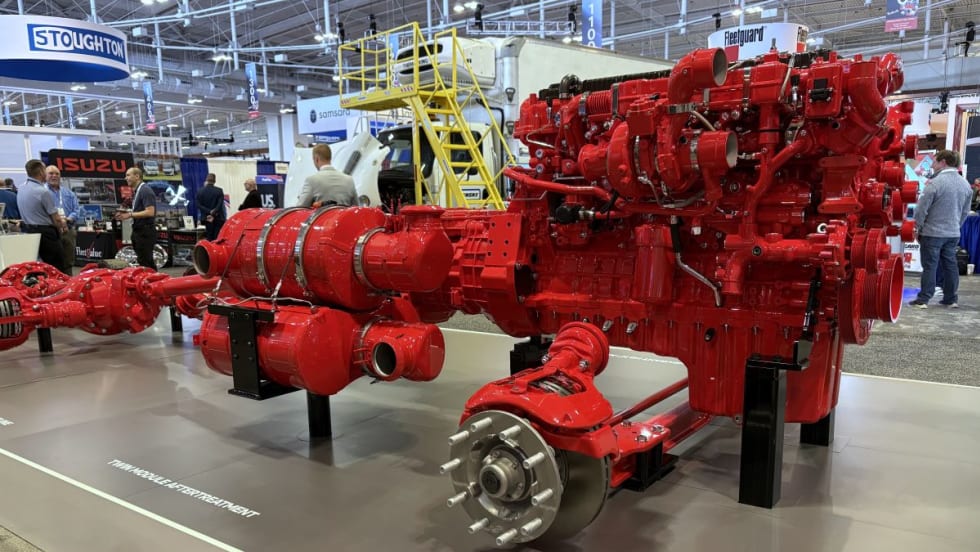
Cummins Adjusts 2027 Engine Rollout After EPA Proposal
The engine maker will gradually introduce its new Model Year 2027 diesel engines while continuing to offer current models during the transition, citing the EPA's proposed emissions rule changes.
Read More →
EPA Proposal Could Ease 2027 Truck Costs and Buying Uncertainty
The proposal doesn't change the tougher NOx standard, but it would revise key implementation requirements that manufacturers say have driven up costs and complicated fleet purchasing decisions.
Read More →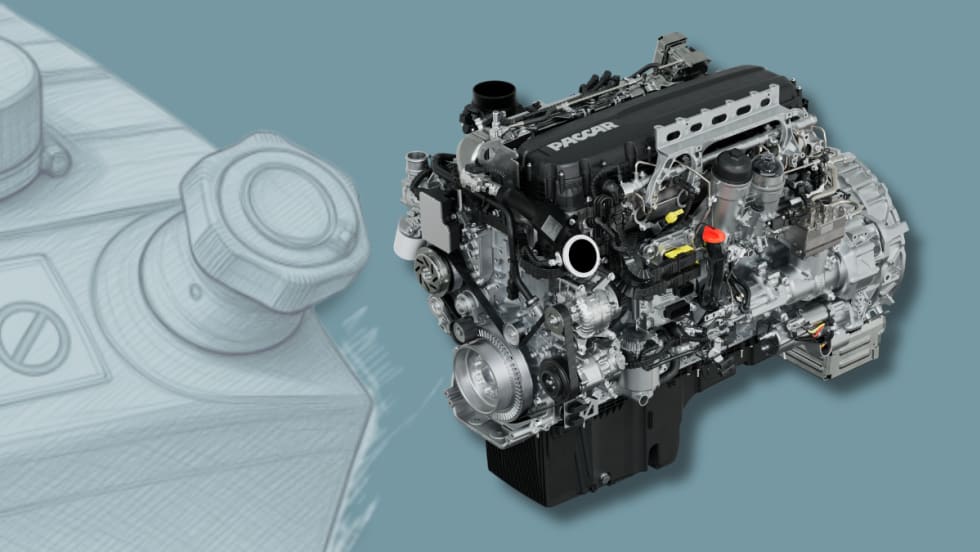
Cummins, Paccar Ease DEF Derates After EPA Guidance
Updated diesel engine software gives truck operators more time to address emissions-system issues while staying compliant with EPA emissions standards.
Read More →
Maintenance in the Messy Middle Part 3: Biodiesel
Biodiesel can reduce emissions, improve fuel-system lubricity and use existing diesel infrastructure. But NACFE’s Messy Middle maintenance report says fleets must actively manage storage, cold-weather operation, filters and oil drain intervals to avoid problems.
Read More →
Enhance Fleet Performance with High-Efficiency Auxiliary Power Units
Drive sustainable cost savings while increasing driver comfort during short- and long-haul logistics operations.
Read More →
Maintenance in the ‘Messy Middle’ Part 2: Renewable Diesel Fuel
NACFE's latest Messy Middle Powertrain Service & Maintenance report says renewable diesel gives fleets an opportunity to reduce carbon emissions without changing trucks, fueling infrastructure or maintenance practices. But technicians still need to understand several important operational differences.
Read More →
The Diesel Engine Enters NACFE’s ‘Messy Middle’
NACFE’s new Messy Middle Powertrain Service & Maintenance report says keeping modern diesel engines running now depends as much on software, diagnostics and data as traditional mechanical service.
Read More →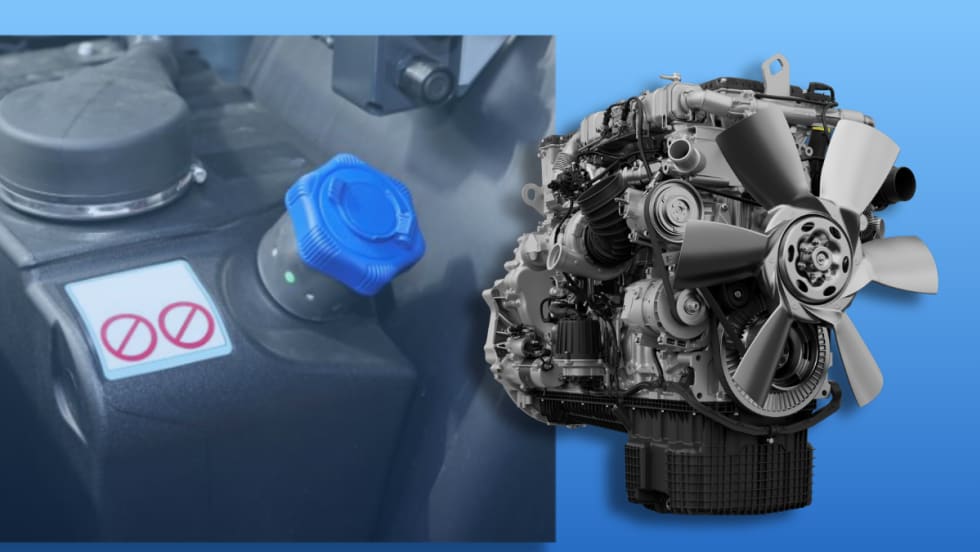
DTNA Software Update Gives Truckers More Time Before DEF Derates Take Effect
The changes reflect EPA guidance aimed at reducing downtime caused by emissions-system faults while maintaining compliance requirements.
Read More →
New Agentic Predictive Maintenance Report Demonstrates How Degraded Aftertreatment Systems Waste Fuel
Questar analyzed a large mixed-class fleet and discovered it was wasting as much as $30 in fuel per vehicle, per day, because of mechanically degraded aftertreatment systems.
Read More →
New York City's Microhub Project is Delivering Results
Trucking, last-mile delivery companies, and environmental advocates like what they are seeing so far with New York's microhub program.
Read More →