





What Trucking Fleets Need to Know About Changes to the Driver Medical Card Process
FMCSA Extends Paper Medical Card Exemption … Again
Five states still aren't ready to accept commercial driver medical exam information directly from the medical examiner's registry.
April 14, 2026
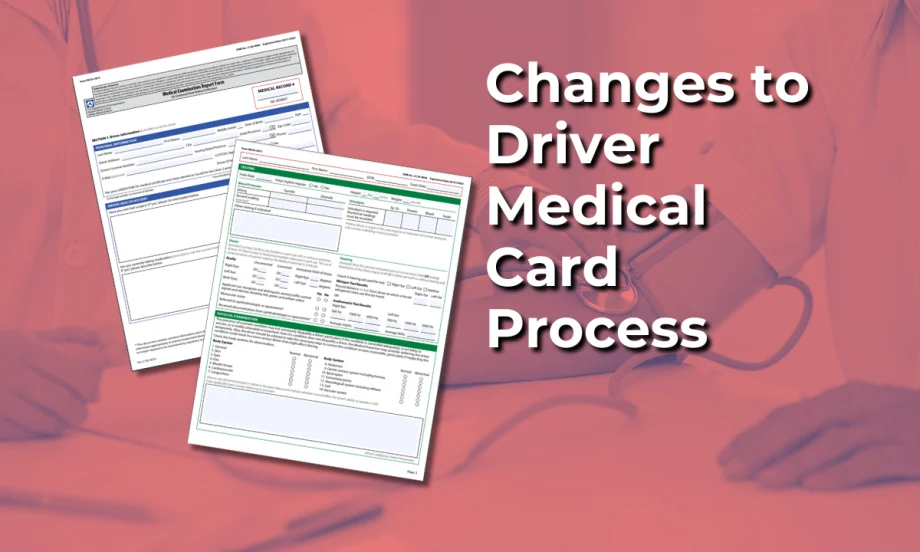
Reform of the process for ensuring commercial drivers are medically qualified to drive has been a long, winding road.
Credit:
HDT Graphic
2 min to read
- The FMCSA has extended a six-month exemption allowing the use of paper commercial driver medical cards due to delays in digital implementation in five states.
- The exemption, effective from April 11, 2026, to October 11, 2026, permits motor carriers and drivers to use paper medical examiner's certificates as proof of certification for up to 60 days.
- This decision responds to the Commercial Vehicle Safety Alliance's request to avoid penalizing compliant drivers and employers during the integration of the Medical Examiner's Certification Integration final rule (NRII).
*Summarized by AI
As five states continue to lag behind in implementing a switch to digital commercial driver medical cards, the Federal Motor Carrier Safety Administration has issued a six-month exemption.
On April 11, the FMCSA issued a six-month exemption allowing motor carriers and drivers in all states and the District of Columbia to rely on a paper copy of the medical examiner's certificate as proof of the driver's medical certification for up to 60 days after the certificate was issued.
The move was in response to a request from the Commercial Vehicle Safety Alliance.
The exemption is effective April 11, 2026, and expires October 11, 2026.
"The purpose of the exemption is to ensure that drivers with valid medical certification and their employers are not penalized for delays outside of their control as five remaining States implement the Medical Examiner's Certification Integration final rule (NRII)," FMCSA said in its order.
What is NRII, and What’s the Delay?
Last June, after years of delays, the agency flipped the switch on a rule requiring commercial driver medical cards to go digital. But 14 states weren’t ready.
The FMCSA’s Medical Examiner’s Certification Integration rule was published in 2015 and was originally scheduled to take effect in 2018. It had been delayed several times, largely due to IT and cybersecurity challenges, before the agency flipped the switch last June.
The medical certificate, often referred to as a med card, confirms that drivers are physically qualified to drive a commercial motor vehicle under federal regulations, based on a medical exam by a professional on the FMCSA's National Registry of Certified Medical Examiners.
The change, which the FMCSA calls National Registry II, or NRII, meant that drivers would no longer have to provide a paper copy of their medical exam certificate to their state’s driver licensing agency.
Certified medical examiners would send the medical exam results directly to the national registry at FMCSA digitally. The FMCSA then electronically transmits those results to state licensing agencies, which link them up with that driver’s records.
Which States Are Not in Compliance?
As of the time the latest exemption was issued, the five states that still have not implemented NRII are:
- Alaska
- California
- Kentucky
- Louisiana
- New Hampshire
Quick Answers
The FMCSA issued a six-month exemption allowing motor carriers and drivers in all states and the District of Columbia to use a paper copy of the medical examiner's certificate as proof of the driver's medical certification for up to 60 days after issuance.
*Summarized by AI
More Safety & Compliance
Sponsored•October 6, 2026
A Camera Isn't a Safety Program. Here's What Brokers Are Screening for Now
Footage alone may not be enough to pass broker vetting processes. Here's what counts as a defensible safety program now.
Read More →
Marijuana and Trucking’s Drug-Testing Dilemma
Marijuana is getting stronger, laws are changing, and drug tests still can’t reliably establish impairment. What does that mean for truck drivers and the fleets that employ them?
Read More →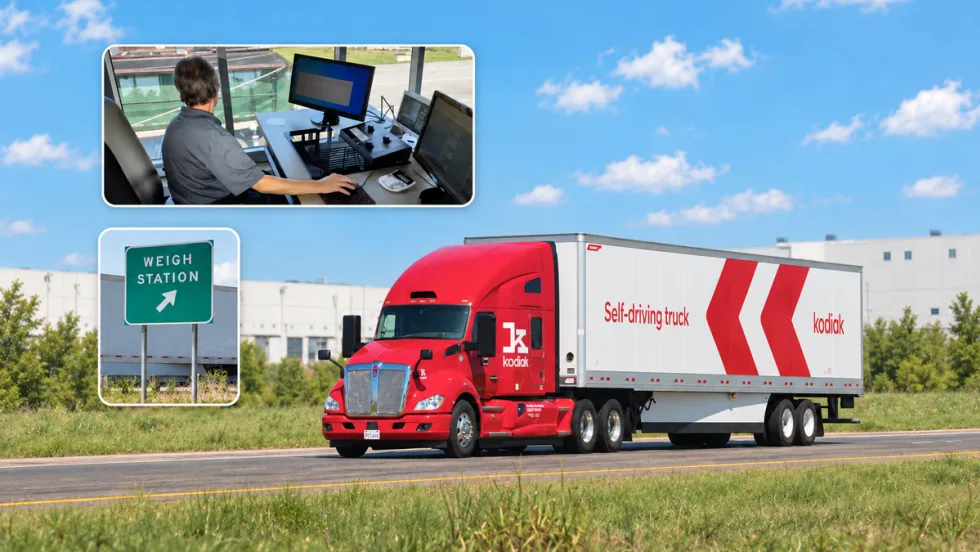
PrePass, Kodiak Connect Driverless Trucks to Roadside Enforcement
The system will allow enforcement agencies to verify Enhanced Inspection information and decide whether Kodiak’s autonomous trucks can bypass roadside screening sites.
Read More →

From One Generation to the Next: How Mentorship Builds Safer Truck Drivers
After three decades in trucking, Harold Perry shares what he's learned about driver safety, mentorship, and helping the next generation build confidence behind the wheel.
Read More →
FMCSA Pauses Biennial-Update Enforcement Amid Motus Transition
Carriers whose updates were due on or after June 1 have more time, while FMCSA works to stabilize its new registration system and warns of phishing sites impersonating its new carrier registration system, Motus.
Read More →
ZF Expands Commercial Vehicle Push in North America
ZF is expanding its North American commercial-vehicle presence with new transmission applications, electrification, trailer technology and autonomous-driving systems.
Read More →
Truck Drivers Need More Than Another Alert
Fleets have more visibility into truck health, safety events, and driver activity than ever. The next challenge is turning all that information into useful guidance for the person who has to decide what to do next.
Read More →
Tesla Wants a Self-Driving Semi. Are Cameras Enough?
Could Tesla’s camera-only autonomous driving technology work on an 80,000-pound Semi? In this commentary, HDT's Deborah Lockridge takes a look at Tesla, Cybercab, and how autonomous trucks see the road.
Read More →
What DOT’s Automated Vehicle Strategy Means for Trucking
The U.S. Department of Transportation issued a new automated-vehicle strategy that outlines plans for driverless-truck regulations, cross-state freight corridors, and federal safety standards.
Read More →
NYC Expands Speed, Pedestrian Safety Tech Across Fleet
New York City is expanding intelligent speed assistance and pedestrian-alert systems across its municipal fleet, moving the technologies from pilot programs into vehicle procurement and retrofit requirements.
Read More →