




FMCSA Drops Compliance Decal Proposal
FMCSA has withdrawn a notice of proposed rulemaking that would have required a commercial motor vehicle to display a label attesting that it was compliant with Federal Motor Vehicle Safety Standards when it was manufactured.


The Federal Motor Carrier Safety Administration has withdrawn a notice of proposed rulemaking that would have required a commercial motor vehicle to display a label attesting that it was compliant with Federal Motor Vehicle Safety Standards when it was manufactured.
The NPRM, issued just six months ago, would have required that the decal by applied by the vehicle manufacturer or a DOT-registered importer. The notice of withdrawal was posted in the Federal Register for Dec. 30.
Earlier this year, Ted Scott, vice president of engineering for the American Trucking Associations, characterized the proposal, nicknamed the "mattress-tag rule," as "crazy."
The agency walked back the proposal because the comments it received made it apparent the rule would result in a redundant requirement.
FMCSA said it ended the rulemaking process because commenters “raised substantive issues which have led the agency to conclude that it would be inappropriate to move forward with a final rule based on the proposal.”
The agency noted that the FMVSSs that the decals would have attested to are cross-referenced in the Federal Motor Carrier Safety Regulations and that “FMCSA has determined that it can most effectively ensure that motor carriers maintain the safety equipment and features provided by the FMVSSs through enforcement of the FMCSRs, making an additional FMVSS certification labeling regulation unnecessary.”
More Safety & Compliance

How Lance Evans Turns Enforcement Experience Into Better Fleet Safety
HDT Truck Fleet Innovator Lance Evans brings lessons from law enforcement to K&B Transportation’s approach to safety technology, data, driver coaching, and compliance.
Read More →
New FMCSA Chief Safety Officer Has Trucking Industry and Law Enforcement Experience
Steve Dowling joins FMCSA after serving as senior director of safety at Covenant Logistics and in leadership roles in commercial motor vehicle industry organizations.
Read More →
Driver Trust Can Make or Break the Success of Fleet Safety Technology
New Teletrac Navman research suggests that onboarding, transparency about driver data, and positive feedback can play a significant role in how commercial drivers respond to safety and coaching technology.
Read More →
FMCSA: Stop Using These 15 Electronic Logging Devices
Fleets and drivers must replace the revoked ELDs with ones on the FMCSA's registered device list of electronic logging devices.
Read More →
How HDT’s 2026 Truck Fleet Innovators Are Rethinking Fleet Operations
Meet five trucking leaders who are challenging assumptions, solving operational problems, and putting innovative ideas to work.
Read More →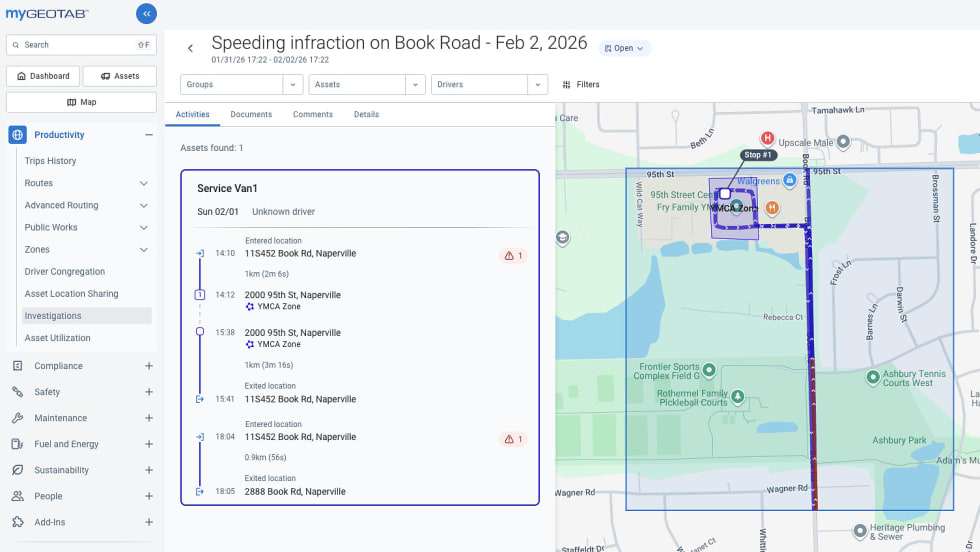
Geotab Launches Tool to Speed Fleet Incident Investigations
Geotab Investigations brings telematics data, video, photos, reports and other evidence into one case file to help fleets determine what happened and resolve incidents faster.
Read More →
FMCSA Moves to Codify English Language Requirements for Commercial Drivers
By changing regulations on English-language proficiency requirements for commercial drivers, rather than relying on a guidance memo, the FMCSA said future administrations won't be able to walk back the Trump administration's stricter enforcement with just a memo.
Read More →
Trump Administration Expands Homeland Security's Role in Trucking Enforcement
The administration's latest trucking crackdown goes beyond roadside inspections, expanding Homeland Security's role in commercial vehicle enforcement and investigations involving CDL training schools.
Read More →
Paccar Recalls 2027 Trucks Built This Summer for Possible Electrical Problem
The nearly 6,000 Kenworth and Peterbilt trucks in the recall could potentially lose engine power, among other things.
Read More →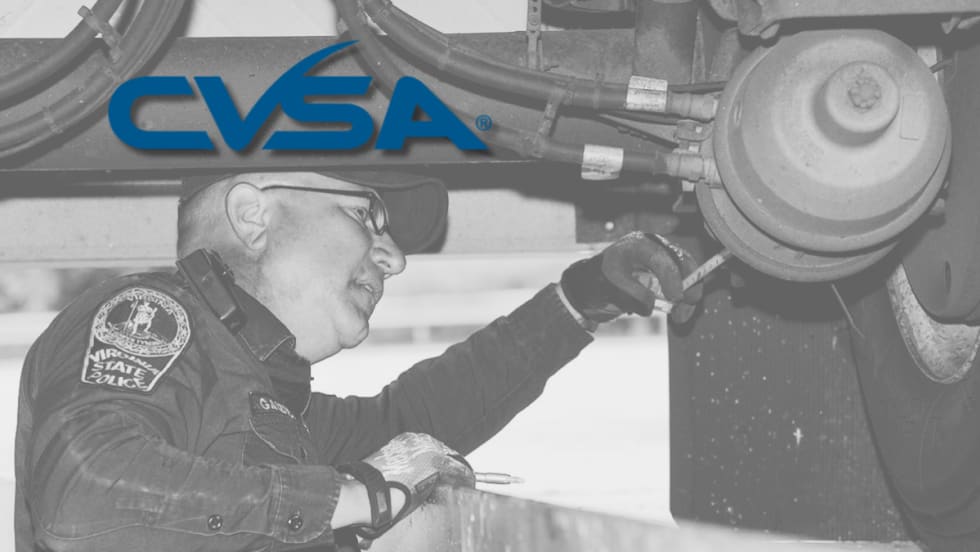
Brake Safety Week to Focus on Drums and Rotors
Commercial vehicle inspectors will be focusing on brakes during CVSA's Brake Safety Week, August 23-29.
Read More →