




Proposed 'Mattress Tag Rule' Angers ATA's Engineering VP
Ted Scott, vice president of engineering for the American Trucking Associations, had a succinct assessment of a recent federal regulatory proposal: “FMCSA has finally gone crazy.”


Ted Scott, vice president of engineering for the American Trucking Associations, had a succinct assessment of a recent federal regulatory proposal: “FMCSA has finally gone crazy.”
The Federal Motor Carrier Safety Administration issued a Notice of Proposed Rulemaking that would require trucks and trailers to each carry a label certifying that the vehicle adhered to all federal safety standards on its date of manufacture. If the label is missing, the owner must procure a letter from the manufacturer that the vehicle is in compliance with those standards.
The proposed rule has “no value to safety,” Scott said during his semi-annual equipment and regulatory update to members of ATA’s Technology & Maintenance Council, who concluded their fall meeting near Orlando on Thursday. That’s why he dubbed it the “mattress tag rule” after another an old federal requirement that identifies materials used in a mattress but does not make it safer.
ATA has told FMCSA that “there is no safety benefit… only unnecessary administrative compliance costs” connected with the proposed regulation, Scott said. The rule would interrupt interlining of trailers and other equipment among carriers, roadside inspections would take longer, and that would lengthen driver on-duty times.
“Eleven motor carriers out of the 26 responses to a TMC survey indicated that they had missing or unreadable certification labels” on their equipment, he said. “Several commercial vehicle manufacturers are no longer in business, having gone bankrupt, been sold, or just closed their doors, making the ability to obtain a lost- or defaced-certification letter impossible.”
Furthermore, the proposal is the result of a motor coach crash in which the driver was at fault, not the equipment or the standards under which it was built, Scott said. And the recommendations by that National Transportation Safety Board that led to the proposal “have nothing to do with trucking operations.”
Last year FMCSA touted its elimination of the post-trip inspection report when a driver finds no defects, which it claimed would save the trucking industry $1.7 billion, he noted.
“Now, less than a year later, FMCSA is proposing a way to replace that savings with a totally unnecessary, costly burden with no apparent safety benefit,” Scott concluded.
More Fleet Management

Public Wi-Fi Cybersecurity Risks: How Truck Drivers and Fleets Can Protect Their Data
Public Wi-Fi can expose truck drivers and fleets to credential theft, malware, and other cyber threats. Here’s how to reduce the risk on the road.
Read More →
For Nicky Cupp, Fleet Innovation Starts With Frustration
HDT Truck Fleet Innovator Nicky Cupp turns everyday pain points at Fraley & Schilling into opportunities for better technology and smarter processes.
Read More →
Adam Buttgenbach’s Approach to Electric Trucks: Start With Where They Fit
HDT Truck Fleet Innovator Adam Buttgenbach helped PepsiCo build one of North America’s largest EV fleets by focusing on where electric trucks make operational sense.
Read More →
Deen Albert: Let Automation Do the Math, People Make the Decisions
HDT Truck Fleet Innovator Deen Albert makes sure people are still at the heart of operations at Grand Island Express, even while adopting artificial intelligence tools. AI-assisted dispatch helped boost revenue 25% with the same number of trucks.
Read More →
Trimble’s New AI Agent Takes Aim at Fleet Back-Office Busywork
Arc Agent works across Trimble TMS products to automate repetitive tasks such as freight orders, maintenance, invoices, fuel costs and more.
Read More →
How HDT’s 2026 Truck Fleet Innovators Are Rethinking Fleet Operations
Meet five trucking leaders who are challenging assumptions, solving operational problems, and putting innovative ideas to work.
Read More →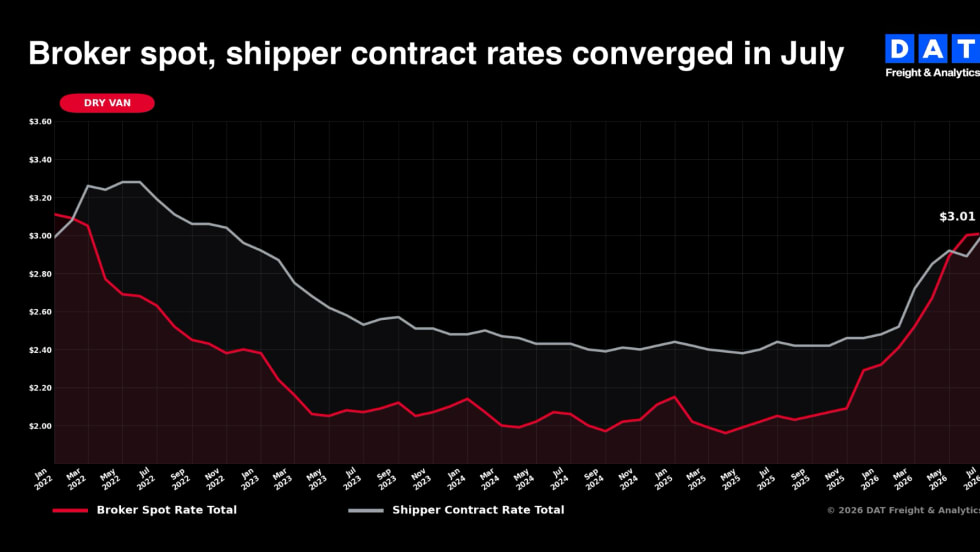
Tight Trucking Capacity Pushes Rates Higher Even as Freight Volumes Fall
“Spot rates moving ahead of contract rates have historically signaled a tightening market, but we haven’t seen a capacity-driven market quite like this one,” said DAT's Dean Croke.
Read More →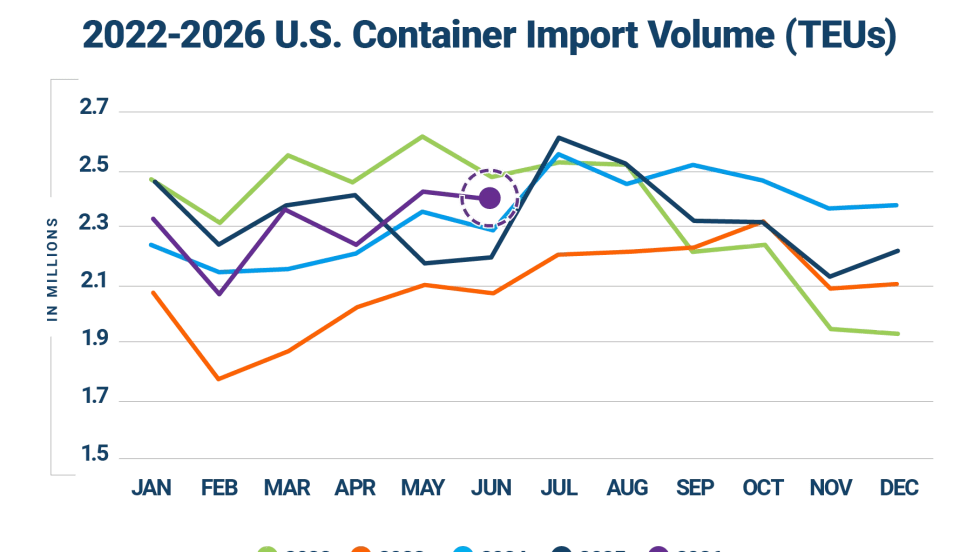
Import Cargo’s Early Peak Season is Winding Down
There was an early start to peak season this year at the nation's gateway ports, as retailers brought in merchandise ahead of tariff changes in late July and responded to other supply chain uncertainties,
Read More →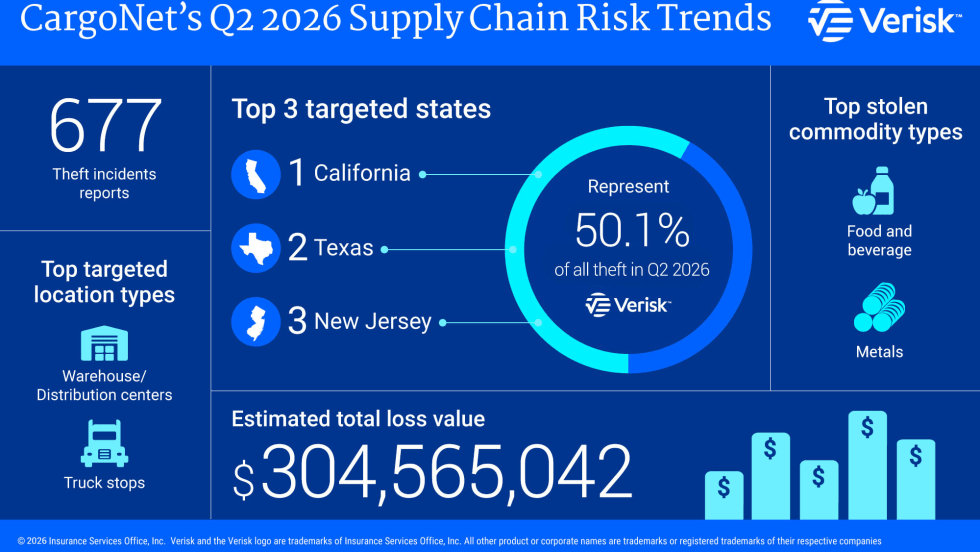
Fewer Cargo Thefts, Bigger Losses: Criminals Target Higher-Value Loads
CargoNet says organized theft rings are stealing fewer shipments but choosing more valuable freight, including metals and technology, resulting in record losses.
Read More →
How Innovative Trucking Leaders Turn Change Into an Advantage
As the pace of change accelerates in trucking, the fleets that adapt best have more than the latest technology. They have cultures that embrace improvement.
Read More →