




For a more in-depth explanation of the issue: ATA asks FMCSA to Eliminate Tire Underinflation Violation
FMCSA Denies ATA Petition Regarding Truck Tire Inflation Rules
The Federal Motor Carrier Safety Administration denied a petition filed by the American Trucking Associations that would remove a provision of the Federal Motor Carrier Safety Regulations regarding tire inflation.
by Staff
September 18, 2017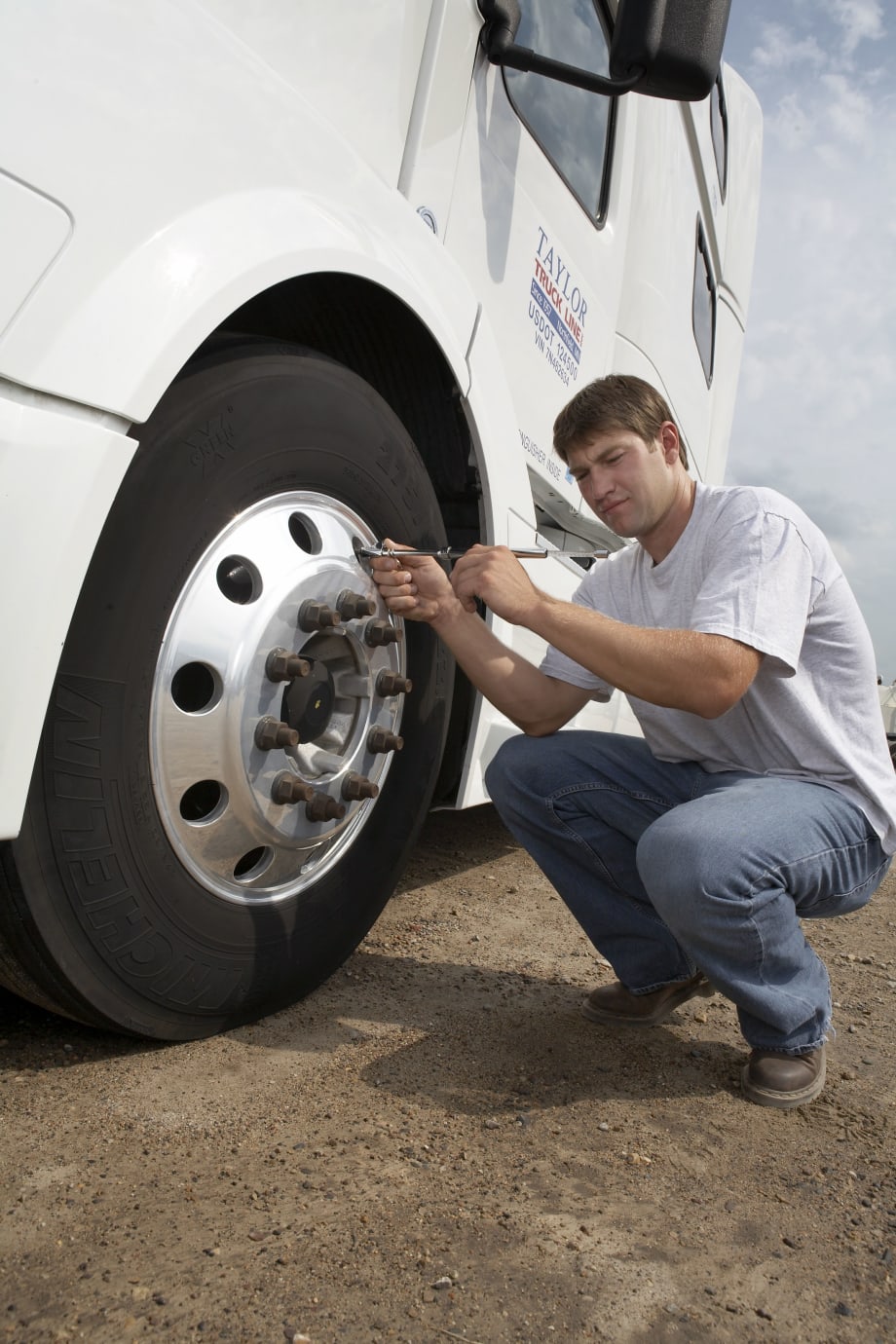
Photo: Michelin
2 min to read
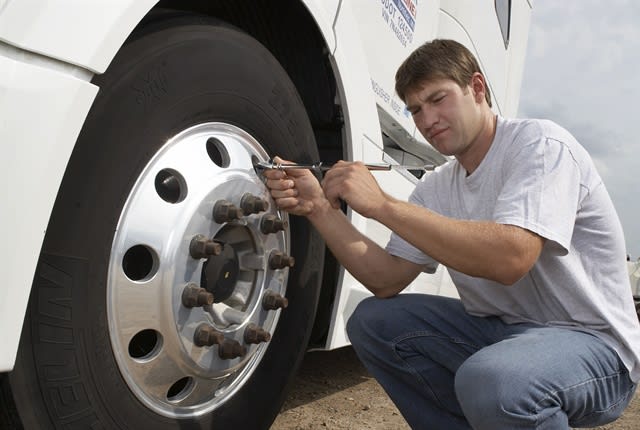
Photo: Michelin
The Federal Motor Carrier Safety Administration has denied a petition filed by the American Trucking Associations that seeks to remove a provision of the Federal Motor Carrier Safety Regulations regarding tire inflation. However, the agency said it will work with the Commercial Vehicle Safety Alliance to address the group's concerns when it comes to enforcement of the rule.
According to Fleet Maintenance & Technology, the publication of ATA's Technology & Maintenance Council, ATA had filed the petition to remove 49 CFR 393.75(h), "Tire inflation pressure," in January 2014.
The filing was based on input from TMC, which found that determining tire underinflation during a roadside inspection to be a nearly impossible task for law enforcement, given the complexity of the many issues surrounding inflation, such as tire pressure and vehicle load.
The petition asked to amend the rules so that underinflated tires would only be cited for violating 393.75(a)(3), which pertains to running flat or having an audible leak.
ATA said the regulation as currently written doesn't say what the tire pressure is when a tire is considered to be flat or underflated -- only that the vehicle should not be operated when the tire pressure is less than that specified for the load being carried. In 2011, CVSA asked TMC to define "underinflation," but the group was unable to reach a consensus.
"I can't determine what the load on the tire is, I don't know how long it has been running, or even how long it might have been sitting still at the scale waiting for an inspection," said Keri Wirachowsky, enforcement officer with Ontario’s Ministry of Transportation. She raised the point at a TMC meeting during an S.2 Task Force session exploring alternatives to the current regulation.
FMCSA said it agreed with ATA that proper measurement of tire inflation pressure during a roadside inspection is dependent on many factors that are difficult to apply consistently and uniformly, but it did not think eliminating the problem section of the rules was the answer.
Instead, FMCSA said it will work with CVSA's Vehicle Committee to ensure roadside inspection officials are properly trained and aware of established regulatory guidance.
"Practically speaking, vehicle operators should not receive a violation for underinflated tires at roadside," explained Robert Braswell, TMC executive director, in the article, "because CVSA has stated officially in its inspector guidelines that '393.75(h) should not be written for an underinflated tire. A violation of 393.75(f) should only be written when the opporutity to weigh a vehicle is present, and the weight on the tire exceeds the tire load carrying capacity (as printed on the sidewall of the tire.')"
More Maintenance

Sponsored•September 16, 2026
Color Match Smarter: Tools That Restore & Perform
For fleet managers and collision repair professionals keeping heavy-duty trucks on the road, getting the color right the first time isn't just about appearance — it's about efficiency, turnaround time, and bottom-line results. Discover how today's digital color tools are transforming the repair process from guesswork to precision.
Read More →
Wrong Repair Prompts Recall of Freightliner, Western Star 4x2 Trucks
DTNA is recalling more than 2,400 trucks that received an incompatible software fix instead of the hardware repair required to address brake valve corrosion.
Read More →
Truck Drivers Need More Than Another Alert
Fleets have more visibility into truck health, safety events, and driver activity than ever. The next challenge is turning all that information into useful guidance for the person who has to decide what to do next.
Read More →
The Maintenance Checks Trucking Fleets Should Prioritize Before Fall Freight Picks Up
Making it through August isn’t the same as being ready for the next several months of operation. Find out what systems may have suffered from summer heat and need to be checked out before fall.
Read More →
What Three Fleets Are Doing Differently When Buying Truck Parts in 2026
With freight improving but costs still climbing, fleet maintenance executives explain how they're balancing price, quality, and supplier relationships.
Read More →
Paccar Recalls 2027 Trucks Built This Summer for Possible Electrical Problem
The nearly 6,000 Kenworth and Peterbilt trucks in the recall could potentially lose engine power, among other things.
Read More →
Will API PC-12 Oil Change Trucking Fleet Maintenance?
The new API PC-12 heavy-duty engine oil category reflects the changing demands of modern diesel engines. But fleets like Foodliner are looking to getting their own data before making decisions on adopting the new oils and questions such as extending oil drain intervals.
Read More →
Brake Safety Week to Focus on Drums and Rotors
Commercial vehicle inspectors are focusing on truck brakes during CVSA's Brake Safety Week, August 23-29.
Read More →Possible Battery-Cable Fires Prompt Recall of 15,000+ International MV and HV Trucks
On the recalled vehicles, manufacturing variations can cause the battery interconnect cable to contact the auxiliary stud and hold down the bracket.
Read More →
Rush, MCT Team Up to Grow Refrigeration Service Network
The joint venture will operate MCT's network of Carrier Transicold dealerships and mobile service locations, with the companies promising greater service capacity and uptime for refrigerated fleets.
Read More →