




Fewer Truckers Using Brokers: TCP National Survey
Transport Capital Partners Q3 2011 Business Expectations Survey finds that 81% of carriers have become less reliant on load brokers over the past three months. Only 15% have used them more
Transport Capital Partners Q3 2011 Business Expectations Survey finds that 81% of carriers have become less reliant on load brokers over the past three months. Only 15% have used them more.
This contrasts to the first quarter of 2009 when 65% of carriers reported using brokers more frequently. Overall, smaller carriers report having used brokers more often than have larger carriers.
Lana Batts, TCP Partner, notes that "the preference of the public markets is for asset light firms, but in a capacity-tight environment, having the direct control of the trucks may finally result in truck owners receiving the rates they expect for the investment risk they incur."
Richard Mikes, TCP Partner, further notes that "the future of non-asset based brokers is being debated in the transportation industry as more carriers are also offering brokerage services in an environment of tight capacity."
Forty percent of all carriers surveyed said they get less than 5% of their freight from spot market loads - a number that has increased only slightly since the second quarter of 2010. However, half of larger carriers (over $25 million in revenue) get less than 5% of their revenues from spot loads compared to less than 20% of the smaller carriers. Furthermore, two-thirds of smaller carriers depend upon 6-25% of their revenue share from spot loads.
"The plethora of readily available sites via the web is enabling smaller carriers to compete in the spot load market for its scarce equipment," Mikes notes.
TCP believes the current economic environment is dampening freight outlook resulting in less new investment in truck capacity, click here to see graphs from this week's new release.
For complete details and graphs, click here.
More information is available at TCP's website.
More Fleet Management
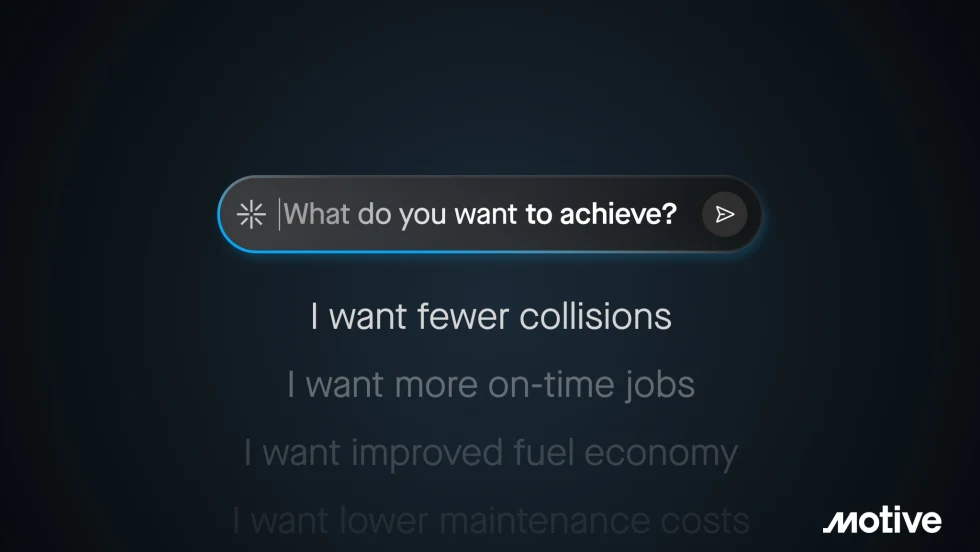
Motive Adds AI Agents for Fleet Operations
New tools automate follow-up on fleet data, from maintenance work orders to driver alerts, with two-way voice conversations planned for later this year.
Read More →
Can You Beat Our Trucking Trivia Challenge?
Test your truck knowledge with 19 trivia questions from Heavy Duty Trucking Exchange. Can you keep up with the fleet pros?
Read More →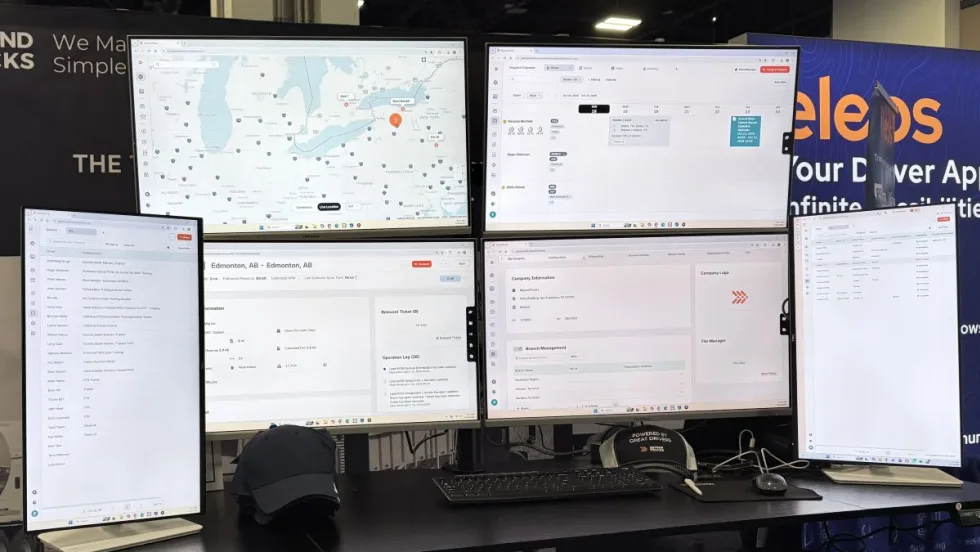
BeyondTrucks Adds Rules Checks to Dispatch
New Compatibility Engine checks driver qualifications, equipment requirements and fleet policies before loads are dispatched.
Read More →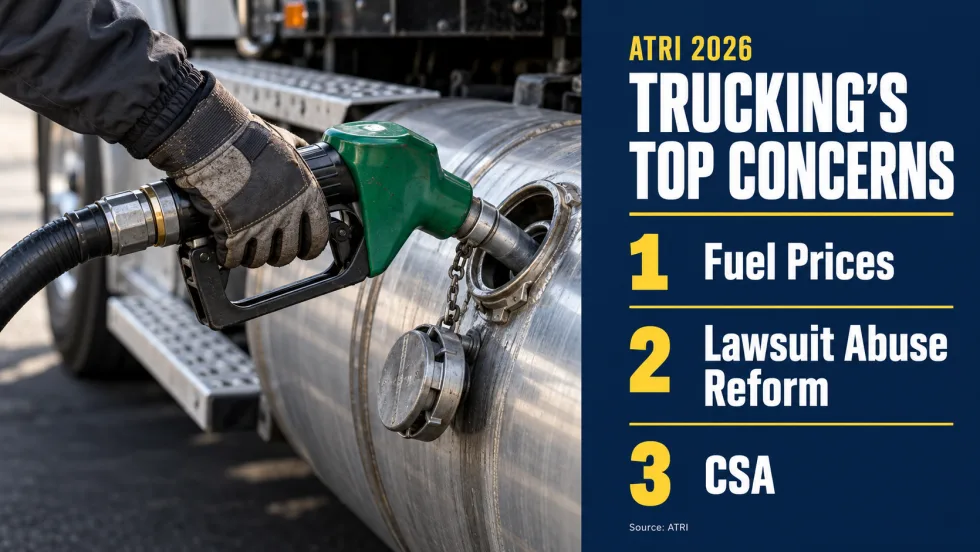
Diesel Prices Hijack Trucking’s Worry List
ATRI’s annual survey finds cautious optimism about freight, but diesel costs, litigation, and insurance continue to squeeze fleets. Drivers have different priorities on several issues.
Read More →
Nomination Deadline Extended for HDT Emerging Leaders
Just a few more days to nominate accomplished trucking fleet professionals under 40 who are making an impact and helping lead the industry forward for the HDT Emerging Leaders award. Deadline extended to October 20!
Read More →
What Will ATA’s New Leader Bring to Trucking's Table?
Incoming President and CEO Mark Colson’s record in Alabama offers clues about his priorities and approach following Chris Spear’s abrupt departure as the head of the American Trucking Associations.
Read More →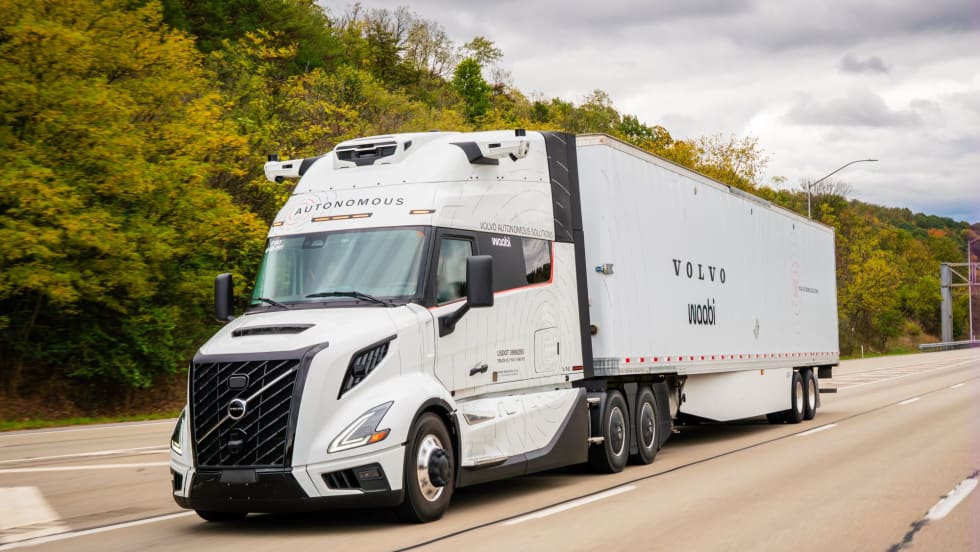
Volvo, Waabi Start Commercial Autonomous Operations in Texas
Volvo VNL Autonomous trucks, powered by the Waabi Driver, are hauling freight directly to third-party facilities for a customer in Texas.
Read More →
Samsara Launches Custom AI Agent Builder
Agent Studio lets fleets create AI tools for hours-of-service monitoring, reporting and driver support, including agents that communicate by phone.
Read More →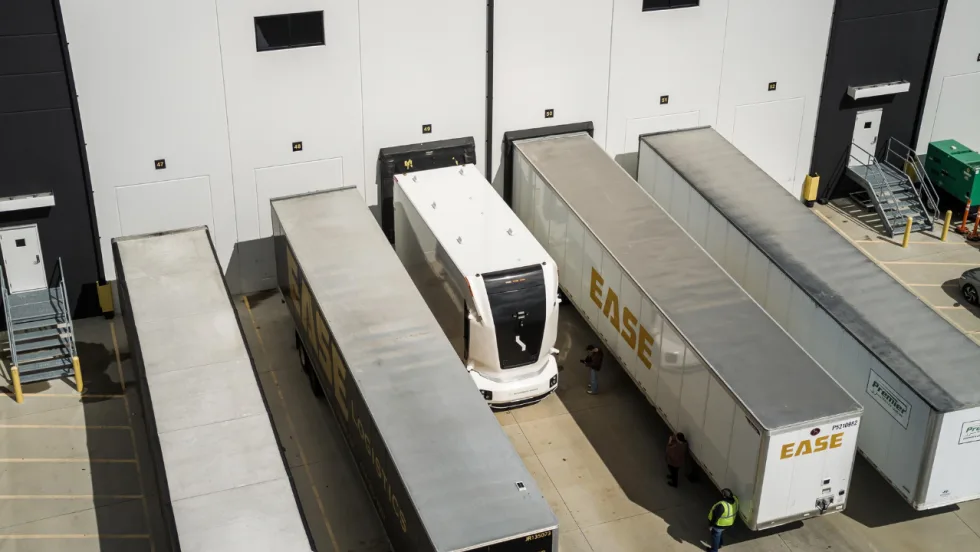
Einride Driverless Electric Trucks Begin Daily Freight Operations in Ohio
Two cabless electric trucks are hauling freight between EASE Logistics facilities in Marysville, Ohio, as part of a multi-state truck automation project.
Read More →
Geotab Links Fleet Card to Vehicle Data
The new card combines fuel discounts with telematics-based purchase controls. Geotab’s analysis also points to potential savings from choosing lower-priced fuel stops.
Read More →