




EPA Issues Proposal to Pull Glider Kits from GHG/MPG Rule
The Environmental Protection Agency issued a proposed rule on Nov. 9 that would repeal emission requirements for glider vehicles, glider engines, and glider kits.
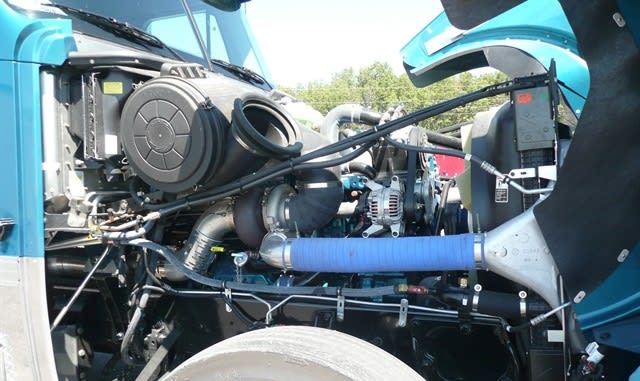
A new glider kit fitted with an old engine. Photo: Tom Berg
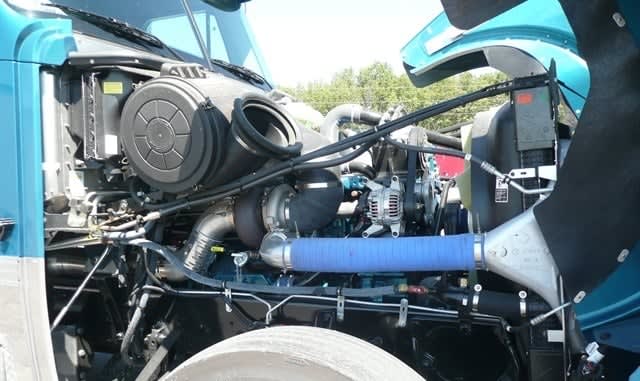
A new glider kit fitted with an old engine. Photo: Tom Berg
Following up on an August promise to review Greenhouse Gas Emissions and Fuel Standards Phase 2 rule due to concerns raised by certain manufacturers, the Environmental Protection Agency issued a proposed rule on Nov. 9 that would repeal emission requirements for glider vehicles, glider engines, and glider kits.
As written, the new rule does not limit the kits’ production, but only allows them to be installed for their traditional uses, such as engine salvage.
The GHG Phase 2 rule, adopted during the final months of the Obama administration, is slated to go into effect Jan. 1.
Now, under the purview of Administrator Scott Pruitt, EPA is moving ahead with its promise to repeal the glider provision found in the 2016 Clean Truck Standards, despite support for the provision from some industry stakeholders.
According to The Washington Post, a Sept. 11 letter to Pruitt urged him not to reopen the rule, stating that glider kits “should not be used for circumventing purchase of currently certified powertrains.”
The letter was signed by executives from Volvo Group North America, Cummins, and Navistar. The companies noted that they were joining the Truck and Engine Manufacturers Association, the American Trucking Associations, and the Truck Rental and Leasing Association in supporting the mandate as written.
The Truck and Engine Manufacturers Association declined to comment on Pruitt's latest move.
Environmental impact and public health are two of the biggest concerns for groups advocating for full application of the Phase 2 rule.
According to the Environmental Defense Fund, used engine gliders can emit almost 40 times more pollution than modern engines and that, if allowed to operate until 2025, glider vehicles would cause as many as 12,800 premature deaths.
“The health impacts are even more galling when you consider that this is essentially just a handout to one company, Fitzgerald Glider Kits, which manufactures the largest share of glider vehicles,” Dave Cooke, senior analyst in the Clean Vehicles program at the Union of Concerned Scientists, said in a statement. “Fitzgerald’s CEO met with Administrator Pruitt in May to push him to reverse this rule. It looks like Administrator Pruitt listened, and he’s willing to do one company a huge favor, protecting a polluter at the cost of our health.”
Pruitt met with Fitzgerald Glider Kits May 8, according to his schedule.
Fitzgerald Glider Kits could not be reached for comment.
In the EPA request to repeal, the agency claims that representatives of the glider manufacturing industry wrote a joint petition requesting a review of Phase 2 rule. The petition claimed that EPA is not authorized under the Clean Air Act to regulate glider kits, glider vehicles, and glider engines and that the Phase 2 rule “relied upon unsupported assumptions to arrive at the conclusion that immediate regulation of glider vehicles was warranted.”
Petitioners also claimed a reconsideration of the rule was necessary due to Executive Order 13783, an “energy independence” order signed by President Donald Trump in March.
When Pruitt announced his intention to revisit the rule in August, he stated in a press release that EPA initiated “a rulemaking process that incorporates the latest technical data and is wholly inconsistent with our authority under the Clean Air Act.”
In the latest documents filed to repeal the rule, EPA cites court cases to claim that since there has been a change in administration, the agency must “assess administrative records and evaluate priorities in light of the philosophy of the administration.”
EPA now proposes to revisit the rule based on the view that it lacks “authority under CAA to impose requirements on glider vehicles, glider engines, and glider kits, and therefore proposes to remove the relevant rule provisions.”
Aside from the negative environmental impact of reopening the loophole, EDF said the repeal proposal “would unfairly disadvantage freight truck companies complying with current standards.”
The advocacy group claimed that glider vehicles have an unfair advantage over trucks that achieve clean air standards. It also said that reopening the rule could danger the clean freight truck investments made by truck fleet and put their employees' jobs at risk.
EPA will be holding a public hearing on the proposed rule at 10 a.m. Dec. 4 at 1201 Constitution Ave., NW, Washington D.C. The agency said the hearing will conclude once everyone has had a chance to speak.
For those who cannot attend the public hearing, online comments may be submitted here.
This article was updated Nov. 13 at 4:35 p.m. to include the Truck and Engine Manufacturers Association decision not to comment.
More Fleet Management

Color Match Smarter: Tools That Restore & Perform
For fleet managers and collision repair professionals keeping heavy-duty trucks on the road, getting the color right the first time isn't just about appearance — it's about efficiency, turnaround time, and bottom-line results. Discover how today's digital color tools are transforming the repair process from guesswork to precision.
Read More →
FMCSA Pauses Biennial-Update Enforcement Amid Motus Transition
Carriers whose updates were due on or after June 1 have more time, while FMCSA works to stabilize its new registration system and warns of phishing sites impersonating its new carrier registration system, Motus.
Read More →
2026 Blueprint for Countering Smarter Supply Chain Theft
Cargo theft is no longer just the cost of doing business. It's a multi-billion-dollar criminal enterprise exploiting vulnerabilities across your fleet, drivers, and supply chain.
Read More →


How Telematics Improves Visibility, Control, and Performance in Refrigerated Fleets
Explore how telematics help refrigerated fleets improve visibility, uptime, efficiency, compliance, and cargo protection across connected cold chain operations.
Read More →
What the U.S.-Canada Trade War Means for Trucking
Escalating U.S.-Canada tariffs could disrupt cross-border freight, reduce truck volumes, raise costs, and create new uncertainty for carriers on both sides of the border.
Read More →
What Are Trucking’s Top Concerns for 2026?
The American Transportation Research Institute wants to know what's worrying trucking fleet managers, drivers, and other stakeholders in its annual Industry Issues survey.
Read More →
American Trucking Associations Looks for a New Leader
ATA President and CEO Chris Spear abruptly left his job at the association on August 21, at a pivotal time for the trucking industry.
Read More →
Public Wi-Fi Cybersecurity Risks: How Truck Drivers and Fleets Can Protect Their Data
Public Wi-Fi can expose truck drivers and fleets to credential theft, malware, and other cyber threats. Here’s how to reduce the risk on the road.
Read More →
For Nicky Cupp, Fleet Innovation Starts With Frustration
HDT Truck Fleet Innovator Nicky Cupp turns everyday pain points at Fraley & Schilling into opportunities for better technology and smarter processes.
Read More →
Adam Buttgenbach’s Approach to Electric Trucks: Start With Where They Fit
HDT Truck Fleet Innovator Adam Buttgenbach helped PepsiCo build one of North America’s largest EV fleets by focusing on where electric trucks make operational sense.
Read More →