




EPA Aiming to Yank Glider Kits from GHG/MPG Rule
The Environmental Protection Agency has begun the formal process to launch a rulemaking that would eliminate provisions affecting glider kits within the Phase 2 Greenhouse Gas Emissions and Fuel Efficiency Standards, which start to take effect in January.

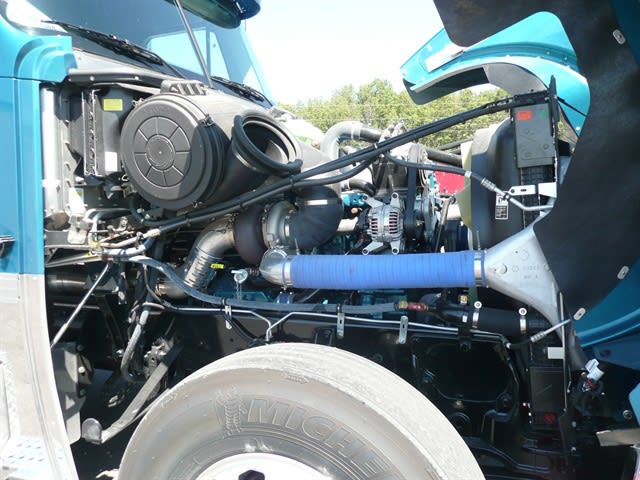
New glider kit fitted with pre-2002 engine. Photo: Tom Berg
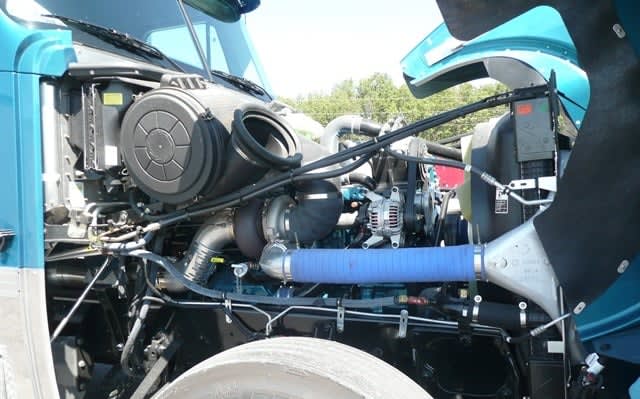
New glider kit fitted with pre-2002 engine. Photo: Tom Berg
The Environmental Protection Agency has begun the formal process to launch a rulemaking that would eliminate provisions affecting glider kits within the Phase 2 Greenhouse Gas Emissions and Fuel Efficiency Standards, which start to take effect in January.
The new rules as written call for allowing glider kits only for their original purpose, which was seen as reclaiming powertrains from wrecked trucks and reusing them in new bodies and chassis. This restriction is to become effective in January of 2021.
Back on August 17, EPA Administrator Scott Pruitt announced that the agency would address concerns about the GHG Phase 2 rules raised by stakeholders in the trailer and glider industries by initiating “a rulemaking process that incorporates the latest technical data and is wholly consistent with our authority under the Clean Air Act.”
As far as trailers go, a court decision has outpaced any reform action by EPA. On Oct. 27, a court granted a motion by the Truck Trailer Manufacturers' Association that sought to stay the trailer provisions of the GHG rule until ongoing litigation regarding the rule ran its course and the agencies that jointly promulgated the rule (EPA and the National Highway Transportation Administration) determined their course of action.
That court ruling only pertains to the conflict over trailers, but now EPA has moved forward on its stated intention to strip the glider kit restriction out of the Obama-era GHG rule by initiating a highly targeted rulemaking.
According to the White House Office of Management and Budget, on Oct. 20 it received the proposed rule to repeal the glider , RIN #2060-AT79, titled “Repeal of Emission Requirements for Glider Vehicles, Glider Engines, and Glider Kits.” However, the OMB website indicates that the rule’s text cannot be viewed as it “has not been published in a Unified Agenda” yet.
Though glider kits account for a small percentage of total new truck sales, the older-model diesel engines they are powered by produce far more exhaust emissions than current engines, contended EPA during the Obama administration.
At the time, the agency had become concerned at a surge in sales, from a few hundred per year 10 to 20 years ago to more than 20,000 in 2015. Most of those were highway tractors, and were undisguised efforts to get around modern emissions limits and the expensive engines needed to meet them, the agency claimed.
As currently written, the glider kit restrictions will phase out gliders over the next four years. Beginning this January, volume production and sales of gliders using “pre-emission” diesels will be greatly curtailed. But low-volume builders, including individual truckers, may continue to buy and assemble glider kits using older engines until 2021.
For major truck makers, the battle over glider kits may amount to fighting the last war and therefore it is a conflict they may well prefer to sit out. Consider what Daimler Trucks North America President and CEO Roger Nielsen told HDT recently about glider kits. “Regardless of what happens with the glider rule, we’re going to keep to the [Phase 2] rules we agreed to. We have moved on, so in our business plans, we took it as certain that this would happen. That phase-out of gliders, that’s our course.
Nielsen added that “it’s interesting to watch the discussion,” noting that there are “not too many left providing gliders. There are certainly cases where customers need remanufactured engines to help replace wrecks, but the direction we are taking, and [at this point] still is the rule, that’s the path we’re going to take."
HDT's Deborah Lockridge and Tom Berg contributed to this report.
More Fleet Management

Color Match Smarter: Tools That Restore & Perform
For fleet managers and collision repair professionals keeping heavy-duty trucks on the road, getting the color right the first time isn't just about appearance — it's about efficiency, turnaround time, and bottom-line results. Discover how today's digital color tools are transforming the repair process from guesswork to precision.
Read More →
FMCSA Pauses Biennial-Update Enforcement Amid Motus Transition
Carriers whose updates were due on or after June 1 have more time, while FMCSA works to stabilize its new registration system and warns of phishing sites impersonating its new carrier registration system, Motus.
Read More →
2026 Blueprint for Countering Smarter Supply Chain Theft
Cargo theft is no longer just the cost of doing business. It's a multi-billion-dollar criminal enterprise exploiting vulnerabilities across your fleet, drivers, and supply chain.
Read More →


How Telematics Improves Visibility, Control, and Performance in Refrigerated Fleets
Explore how telematics help refrigerated fleets improve visibility, uptime, efficiency, compliance, and cargo protection across connected cold chain operations.
Read More →
What the U.S.-Canada Trade War Means for Trucking
Escalating U.S.-Canada tariffs could disrupt cross-border freight, reduce truck volumes, raise costs, and create new uncertainty for carriers on both sides of the border.
Read More →
What Are Trucking’s Top Concerns for 2026?
The American Transportation Research Institute wants to know what's worrying trucking fleet managers, drivers, and other stakeholders in its annual Industry Issues survey.
Read More →
American Trucking Associations Looks for a New Leader
ATA President and CEO Chris Spear abruptly left his job at the association on August 21, at a pivotal time for the trucking industry.
Read More →
Public Wi-Fi Cybersecurity Risks: How Truck Drivers and Fleets Can Protect Their Data
Public Wi-Fi can expose truck drivers and fleets to credential theft, malware, and other cyber threats. Here’s how to reduce the risk on the road.
Read More →
For Nicky Cupp, Fleet Innovation Starts With Frustration
HDT Truck Fleet Innovator Nicky Cupp turns everyday pain points at Fraley & Schilling into opportunities for better technology and smarter processes.
Read More →
Adam Buttgenbach’s Approach to Electric Trucks: Start With Where They Fit
HDT Truck Fleet Innovator Adam Buttgenbach helped PepsiCo build one of North America’s largest EV fleets by focusing on where electric trucks make operational sense.
Read More →