





Related: Commentary: Good News Coming?
A Closer Look at Proposed Phase 2 GHG Rules
We take a close look at the proposed 'Phase 2' greenhouse gas/ fuel economy rules.
August 14, 2015

Photo: Jim Park
3 min to read

Photo: Jim Park
While the proposed Phase 2 greenhouse gas/fuel efficiency rule for commercial vehicles is complex (well over 2,000 pages of paper), the new truck technologies are expected to deliver fuel savings that “greatly exceed their upfront costs.” That’s according to a report from the International Council on Clean Transportation, a San Francisco-based nonprofit that provides research and analysis to environmental regulators.
The ICCT study also determined that, given the potential fuel savings the rule would generate, the payback periods for truck owners would be within two years for tractor-trailers, three years for pickups and vans, and about five years on average for vocational vehicles.
On another positive note, manufacturers would be afforded longer phase-in periods and lead time for technology deployment under Phase 2. By the time the final rule is expected to be adopted, by ICCT’s estimate, there will be 11 years of lead time for the 2027 standards. By contrast, just seven years of lead time was available under Phase 1.
ICCT provided information from its testing programs to the Environmental Protection Agency and the National Highway Traffic Safety Administration as the agencies were working on the Phase 2 regulations. ICCT staffers began analyzing the proposed rule as soon as it was announced and have begun commenting on their findings.
The federal proposal calls for setting CO2 limits for 2021- to 2027-model trucks and tractors and 2018- to 2027-model-year trailers as entire vehicles – but also would set separate engine fuel-efficiency standards for light-, medium-, and heavy-duty vehicles.
“Efficiency improvements from Phases 1 and 2 together would deliver CO2 and fuel consumption reductions of about 20% to 30% for heavy-duty pickups and vans, 20% for vocational vehicles, and 30% to 45% for tractor-trailers, compared with model year 2010 technology,” said ICCT senior researcher Ben Sharpe. “The impact of the Phase 1 and 2 standards together would result in over 1 million barrels per day of oil savings from 2035 to 2050.”
The new standards would regulate trailers for the first time (see page 48), and the separate engine fuel-efficiency standards would be put into play via discrete steps from the existing 2017 standards to those required in 2021, 2024 and 2027.
These proposed standards require a 4% CO2 reduction from 2017 to 2027. The good news, Sharpe says, is that “Cummins, the engine manufacturer with the most heavy-duty engine sales in the U.S., estimated that the potential beyond Phase 1 is 9% to 15% [improvement].” He also said that, in addition, independent engine technology research indicates the potential for an 18% to 20% reduction in fuel consumption from a 2010 baseline.
ICCT expects compliance with the engine standards will be attained by leveraging:
friction reduction
reduced parasitic loads
variable valve timing
improvements in the exhaust gas recirculation, combustion, and fuel injection systems.
On top of that, the two agencies behind the rule have projected that up to 10% of heavy-duty engines could have turbocompounding and 15% of the engines could have waste heat recovery by 2027.
The new rule’s overall CO2 reductions would primarily be derived by deploying engine-efficiency improvements, advanced automatic transmissions, lower-rolling-resistance tractor tires, improved tractor aerodynamics, anti-idling devices, and additional driveline and accessory technologies that ICCT pointed out already are “being increasingly adopted across the Class 7 and 8 fleet.”
The Phase 2 proposal also addresses natural gas vehicles and engines, including emissions from the crankcase and liquefied natural gas (LNG) boil-off, two of the largest sources of on-vehicle methane emissions.
The proposed rule also affects glider kits. These kits would be subject to GHG limits and would require, starting in 2018, that engines used in them meet the same standards as new vehicles. The upshot, says ICCT’s Sharpe, is that 1998 engines would then no longer fly in gliders.
Subscribe to Our Newsletter
More Fuel Smarts
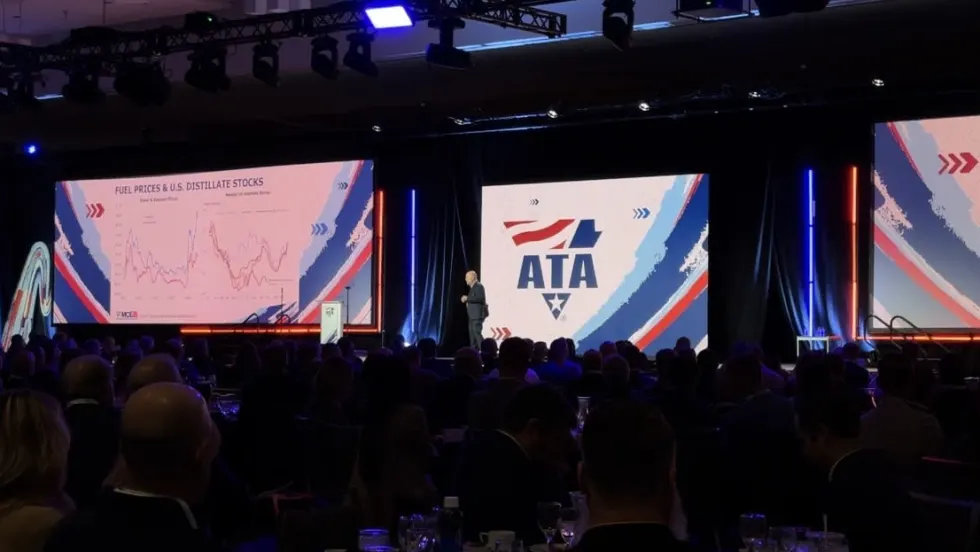
Trucking’s Diesel Squeeze Isn’t Letting Up
With diesel topping $6 a gallon nationally, ATA's Bob Costello explains why fleets should prepare for continued pressure at the pump.
Read More →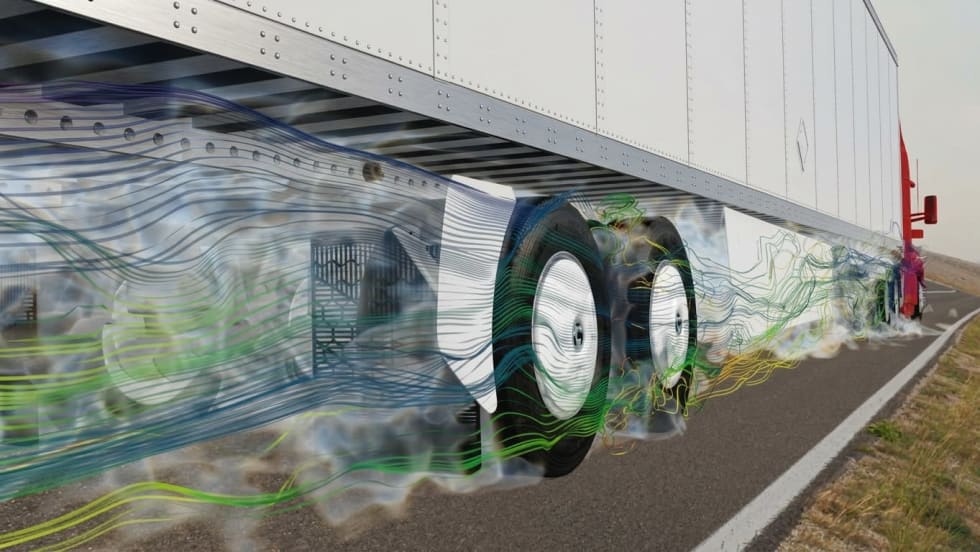
FlowBelow Redesigns Trailer AeroSlider to Cut Fuel Use
The lighter trailer aerodynamic system installs in less than 45 minutes, according to the company, with potential payback in under a year depending on fuel prices and trailer mileage.
Read More →
Why Diesel Price Relief Efforts May Fall Short
Diesel prices have eased from September’s record high, but doubts about additional Russian supply and limits on dyed-diesel tax relief mean trucking fleets still face expensive fuel. And prices could go higher.
Read More →
Why Small Fuel Savings Matter in Trucking
Can better fuel economy help pay for driver raises? In this podcast, GP Transco explains how small efficiency gains create room to reinvest in its people.
Read More →
How GP Transco Cuts Trucking Fuel Costs, a Tenth of a Gallon at a Time
What’s another tenth of a mile per gallon worth? GP Transco shares how equipment upgrades and driver coaching turn small gains into meaningful fuel savings.
Read More →
Electric Yard Tractors Move Beyond Pilots
Operating-cost savings have overtaken sustainability goals as the leading reason surveyed fleets are adopting battery-electric terminal tractors, according to new NACFE research.
Read More →
Geotab Links Fleet Card to Vehicle Data
The new card combines fuel discounts with telematics-based purchase controls. Geotab’s analysis also points to potential savings from choosing lower-priced fuel stops.
Read More →
Fleet Economics Shape Electric Truck Outlook
ACT Research expects costs, charging infrastructure, and technology improvements to drive zero-emission commercial vehicle adoption as federal regulations and incentives retreat.
Read More →
Wex Adds Cardless Fuel Payments for Over-the-Road Customers
A new fuel card feature for Wex customers offers convenience and security.
Read More →
New California Law Could Shed Light on Electric Truck Prices
Why do battery-electric Class 8 trucks remain so expensive? A California bill signed by Gov. Gavin Newsom would give fleets and state agencies more visibility into what manufacturers charge.
Read More →