




EPA to Reconsider GHG Standards for Trailers, Glider Kits
Just months before new greenhouse gas and fuel efficiency rules affecting trailers and glider kits are scheduled to start taking effect, the U.S. Environmental Protection Agency says it plans to revisit those rules.
August 18, 2017

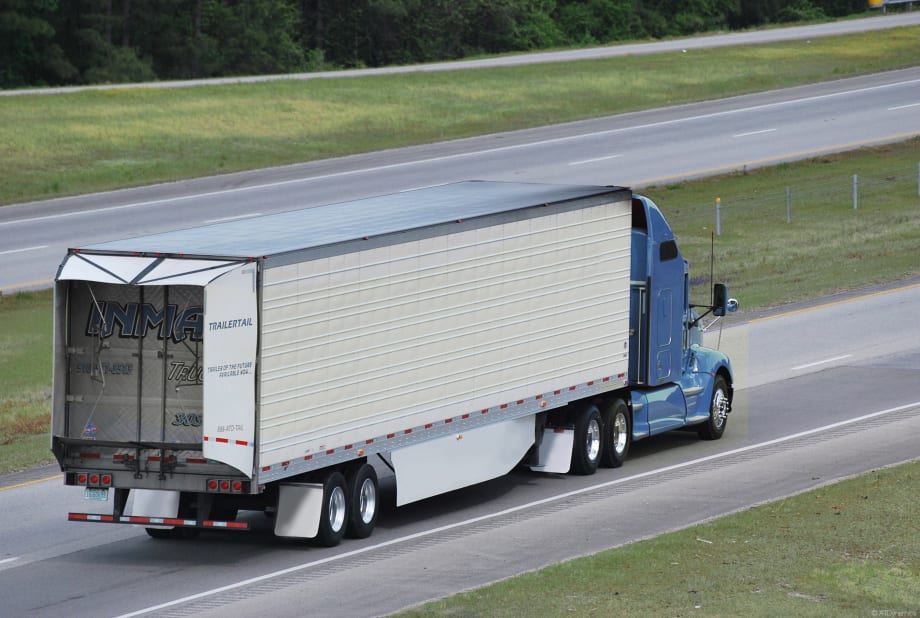
Many fuel economy experts say trailers need to be part of the equation. Photo: TrailerTails
3 min to read

Just months before new greenhouse gas and fuel efficiency rules affecting trailers and glider kits are scheduled to start taking effect, the U.S. Environmental Protection Agency says it plans to revisit those rules.
The EPA announced Thursday that it will revisit provisions of the Phase 2 Greenhouse Gas Emissions and Fuel Efficiency Standards, following concerns raised by stakeholders in the trailer and glider industry.
“We intend to initiate a rulemaking process that incorporates the latest technical data and is wholly consistent with our authority under the Clean Air Act,” said EPA Administrator Scott Pruitt in an announcement.
In September 2011, EPA and the National Highway Traffic Safety Administration issued greenhouse gas emissions and fuel efficiency standards for medium- and heavy-duty vehicles for model year 2014-2018 (“Phase 1”). These standards applied to newly manufactured engines, tractors, vocational vehicles, large pickups, and vans. In October 2016, EPA and NHTSA updated the standards for medium- and heavy-duty vehicles MY 2021-2027 (“Phase 2”), and in addition to more stringent standards for tractors, also for the first time regulated trailers and gliders, with compliance deadlines beginning in 2018.
However, the trailer and glider kit sectors have argued that EPA lacks authority to regulate them under the Clean Air Act because their products are not self-propelled “motor vehicles.”
In addition, trailer makers contend that the agency overestimated the potential benefit, greatly overestimating average highway speeds for trailers and not taking into account how local and regional fleets would be affected.
According to InsideEPA.com, it is unclear how the Thursday announcement relates to a lawsuit filed against the EPA by trailer makers and the glider kit industry, Truck Trailer Manufacturers Association (TTMA) v. EPA, et al. InsideEPA.com reports that one source familiar with the trailer litigation said EPA sought to get TTMA to agree to settle the case by offering to revisit the requirements, but the association declined because it wants to go to court.
Meanwhile, there is a bill moving through the House Energy & Commerce Committee, H.R. 3570, that would explicitly exempt trailers from Clean Air Act regulation.
The Environmental Defense Fund criticized the EPA's move, saying in a press release, “EPA and DOT’s plans to weaken the trailer standards are in capitulation to industry requests, ignoring the robust technical record confirming the cost effectiveness of pollution control technologies and efficiency standards for trailers, and the firm legal basis for these standards.”
“Rolling back clean air and fuel efficiency standards for our nation’s freight haulers would cost consumers and truckers money and mean more harmful pollution for our communities and families. These common-sense standards reduce our country’s reliance on imported oil, save money, and help keep Americans safe from the clear and present danger of climate change,” said EDF Attorney Alice Henderson.
More Fuel Smarts
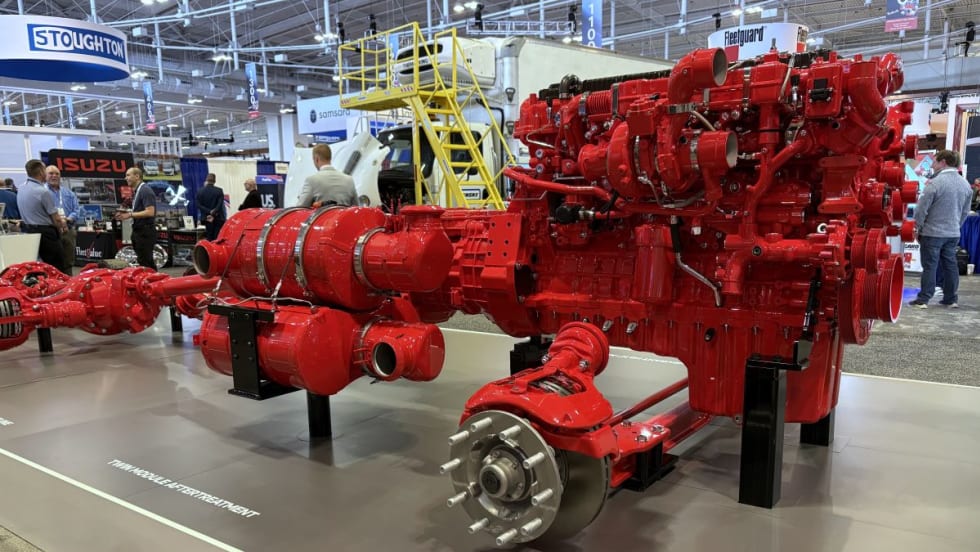
Cummins Adjusts 2027 Engine Rollout After EPA Proposal
The engine maker will gradually introduce its new Model Year 2027 diesel engines while continuing to offer current models during the transition, citing the EPA's proposed emissions rule changes.
Read More →
EPA Proposal Could Ease 2027 Truck Costs and Buying Uncertainty
The proposal doesn't change the tougher NOx standard, but it would revise key implementation requirements that manufacturers say have driven up costs and complicated fleet purchasing decisions.
Read More →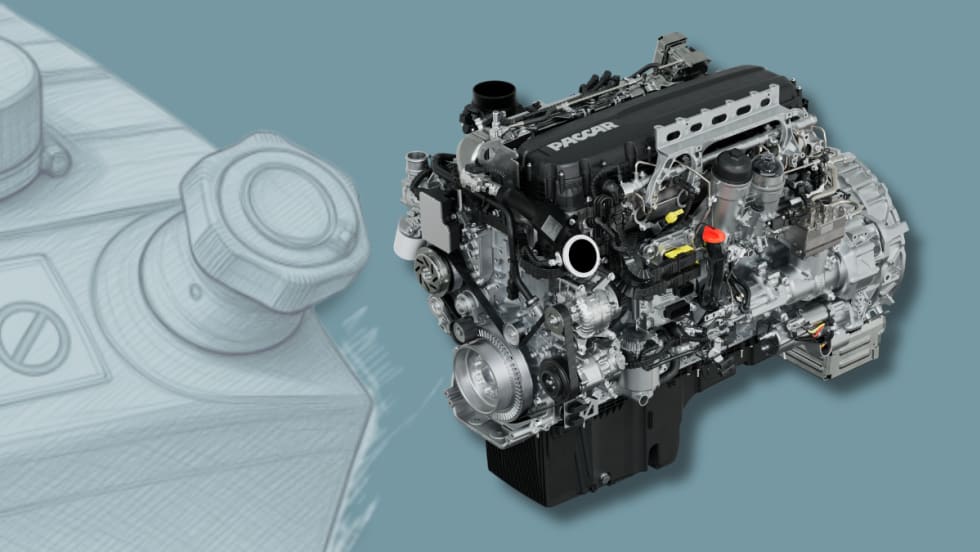
Cummins, Paccar Ease DEF Derates After EPA Guidance
Updated diesel engine software gives truck operators more time to address emissions-system issues while staying compliant with EPA emissions standards.
Read More →
Maintenance in the Messy Middle Part 3: Biodiesel
Biodiesel can reduce emissions, improve fuel-system lubricity and use existing diesel infrastructure. But NACFE’s Messy Middle maintenance report says fleets must actively manage storage, cold-weather operation, filters and oil drain intervals to avoid problems.
Read More →
Sponsored•July 1, 2026
Enhance Fleet Performance with High-Efficiency Auxiliary Power Units
Drive sustainable cost savings while increasing driver comfort during short- and long-haul logistics operations.
Read More →
Maintenance in the ‘Messy Middle’ Part 2: Renewable Diesel Fuel
NACFE's latest Messy Middle Powertrain Service & Maintenance report says renewable diesel gives fleets an opportunity to reduce carbon emissions without changing trucks, fueling infrastructure or maintenance practices. But technicians still need to understand several important operational differences.
Read More →
The Diesel Engine Enters NACFE’s ‘Messy Middle’
NACFE’s new Messy Middle Powertrain Service & Maintenance report says keeping modern diesel engines running now depends as much on software, diagnostics and data as traditional mechanical service.
Read More →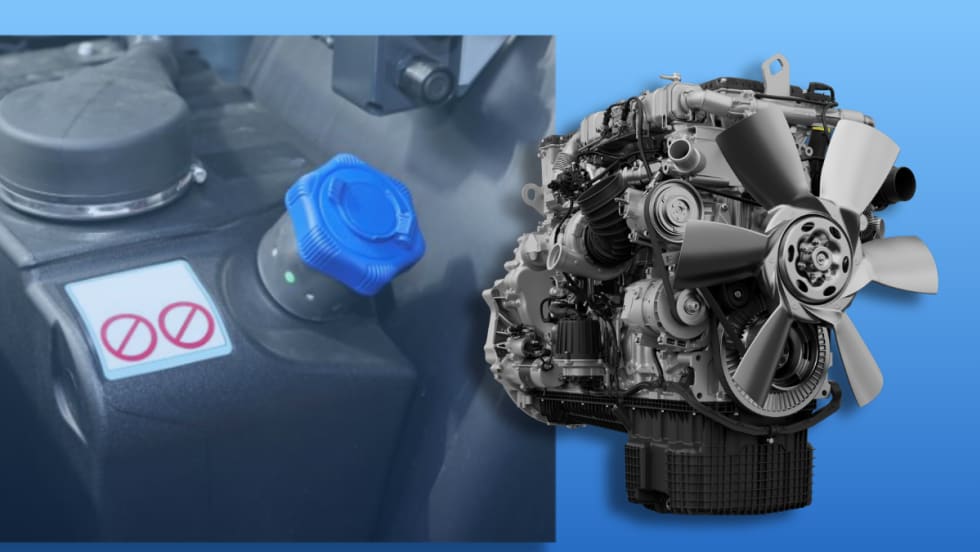
DTNA Software Update Gives Truckers More Time Before DEF Derates Take Effect
The changes reflect EPA guidance aimed at reducing downtime caused by emissions-system faults while maintaining compliance requirements.
Read More →
New Agentic Predictive Maintenance Report Demonstrates How Degraded Aftertreatment Systems Waste Fuel
Questar analyzed a large mixed-class fleet and discovered it was wasting as much as $30 in fuel per vehicle, per day, because of mechanically degraded aftertreatment systems.
Read More →
New York City's Microhub Project is Delivering Results
Trucking, last-mile delivery companies, and environmental advocates like what they are seeing so far with New York's microhub program.
Read More →