




EPA Awards $4.2 Million for Six Clean Diesel Port Projects
The announcement was made Wednesday during the EPA’s inaugural Port Stakeholders Summit in Baltimore.


The U.S. Environmental Protection Agency has awarded $4.2 million in grant funding for clean diesel projects at six U.S. ports.
The announcement was made Wednesday during the EPA’s inaugural Port Stakeholders Summit in Baltimore.
The grants will be used to improve air quality and reduce carbon emissions with money provided through Diesel Emissions Reduction Act to retrofit, replace, or repower diesel engines resulting in immediate emissions reductions in harmful pollution, according to the agency.
The grant recipients are the Port of Seattle, the Port of Hueneme, the Port of Tacoma, the Maryland Port Administration, the Virginia Port Authority and the Port of Los Angeles.
“Ports are the main gateway for U.S. trade and are critical to our country’s economic growth, yet the communities surrounding ports face serious environmental challenges,” said EPA administrator Gina McCarthy. “Today we demonstrate that through collaboration and innovation we can achieve the goals of economic growth and environmental stewardship.”
Most of the country’s busiest ports are located in or near large metropolitan areas and, as a result, people in nearby communities can be exposed to high levels of pollution, said EPA.
“For example, diesel powered port equipment can seriously impact air quality for nearby residents and generate substantial greenhouse gas and black carbon emissions,” the agency said. “Implementing clean air strategies at ports will reduce emissions and provide health benefits from improved air quality for workers and families who live nearby.”
More Equipment
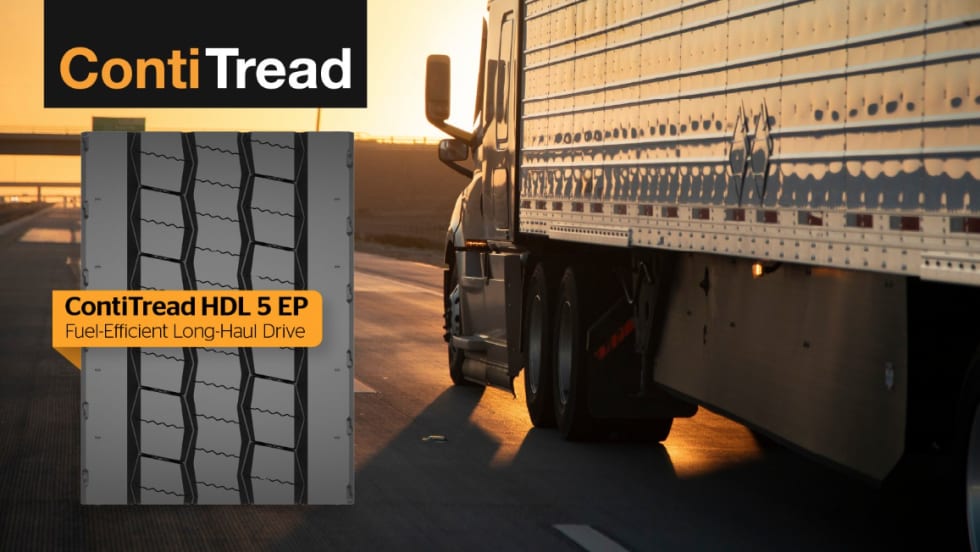
Continental Expands Retread Lineup With New ContiTread HDL 5 EP
New long-haul drive retread is designed to improve fuel efficiency, extend tread life, and lower fleets' cost per mile.
Read More →
EPA Proposal Could Ease 2027 Truck Costs and Buying Uncertainty
The proposal doesn't change the tougher NOx standard, but it would revise key implementation requirements that manufacturers say have driven up costs and complicated fleet purchasing decisions.
Read More →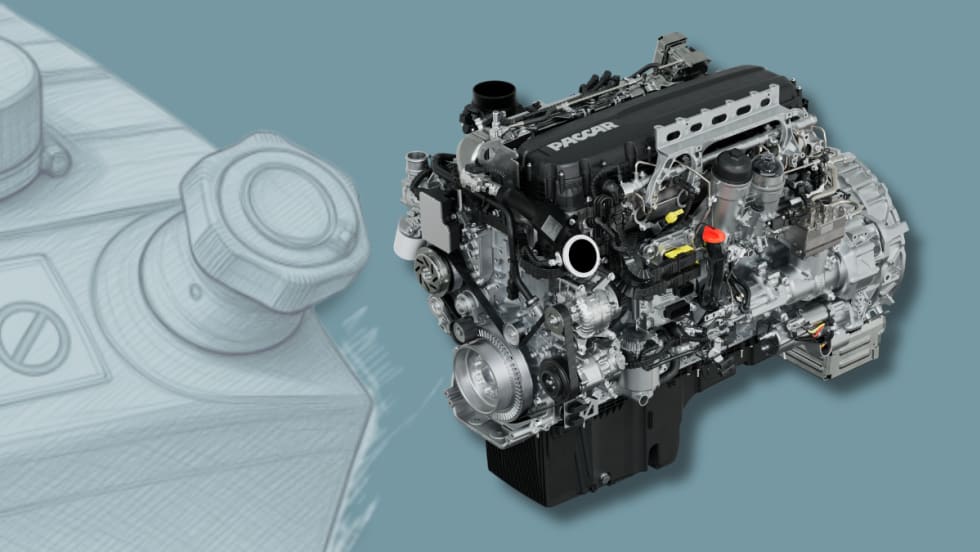
Cummins, Paccar Ease DEF Derates After EPA Guidance
Updated diesel engine software gives truck operators more time to address emissions-system issues while staying compliant with EPA emissions standards.
Read More →
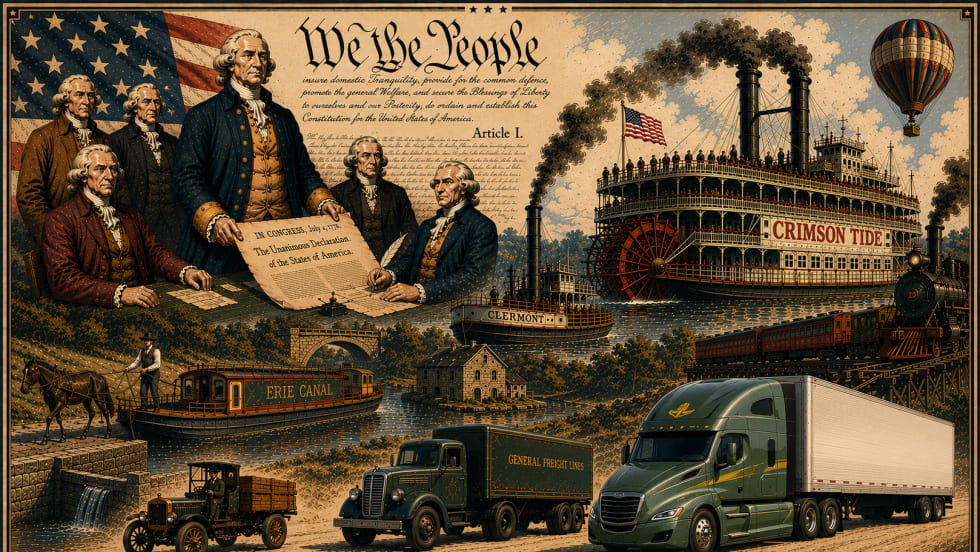
America at 250: How the Truck Helped Connect a Continent
America was founded on revolutionary ideas, but it was built by movement. For 250 years, the nation has depended on ever-better ways to move people, products, and prosperity across a vast continent. No machine has carried that mission further — or more faithfully — than the truck.
Read More →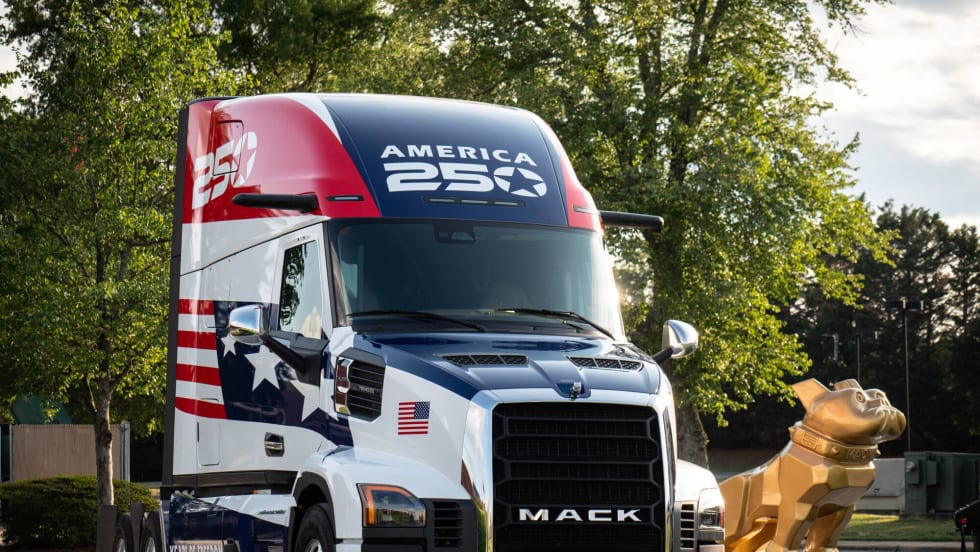
Mack Unveils America 250 Tribute Truck to Celebrate Nation's Semiquincentennial
Just in time for the Fourth of July! Mack unveils a brand-new patriotic, limited-edition, red, white, and blue truck wrap.
Read More →
Enhance Fleet Performance with High-Efficiency Auxiliary Power Units
Drive sustainable cost savings while increasing driver comfort during short- and long-haul logistics operations.
Read More →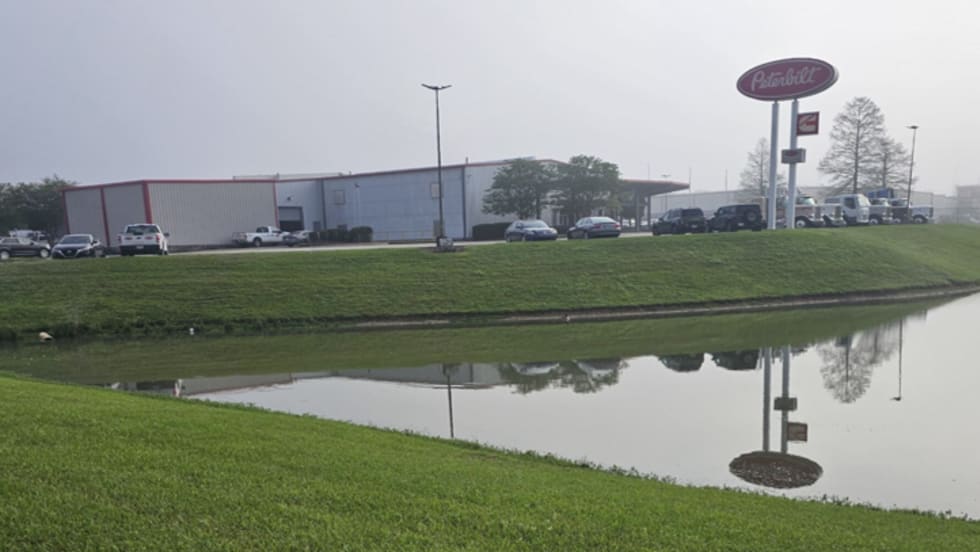
Rush Expands Gulf Coast Peterbilt Network With Louisiana Acquisition
The expanded Rush network gives fleets additional sales, service, leasing and collision repair support across Louisiana's major trucking markets.
Read More →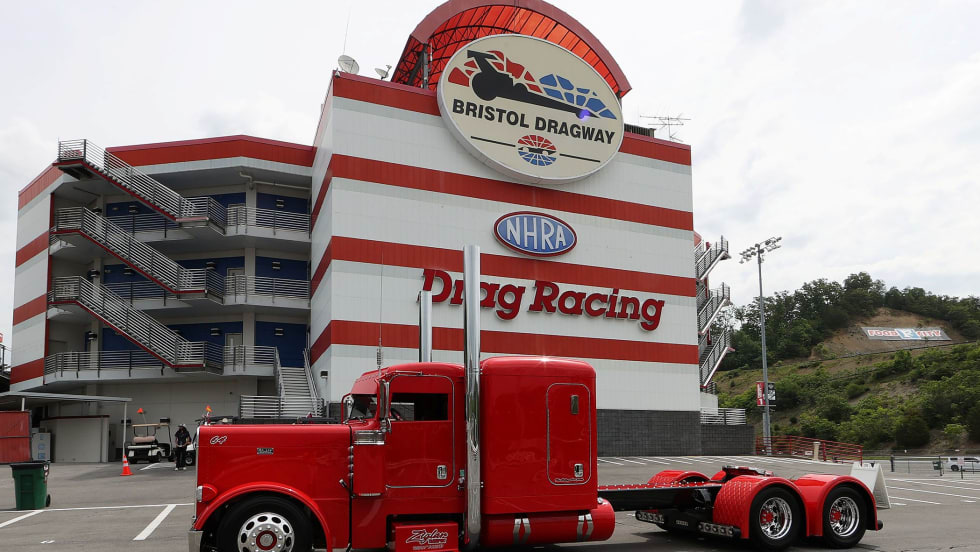
Photos: Shell SuperRigs Light Up Bristol Tennessee
Kenny Ziglar II of Rawlins, Wyo., captured Best of Show honors for the second consecutive year with his 2007 Peterbilt 379, nicknamed “Scrapin By,” at the 44th Annual Shell Rotella SuperRigs competition held June 25-27 at Bristol Motor Speedway in Bristol, Tenn.
Read More →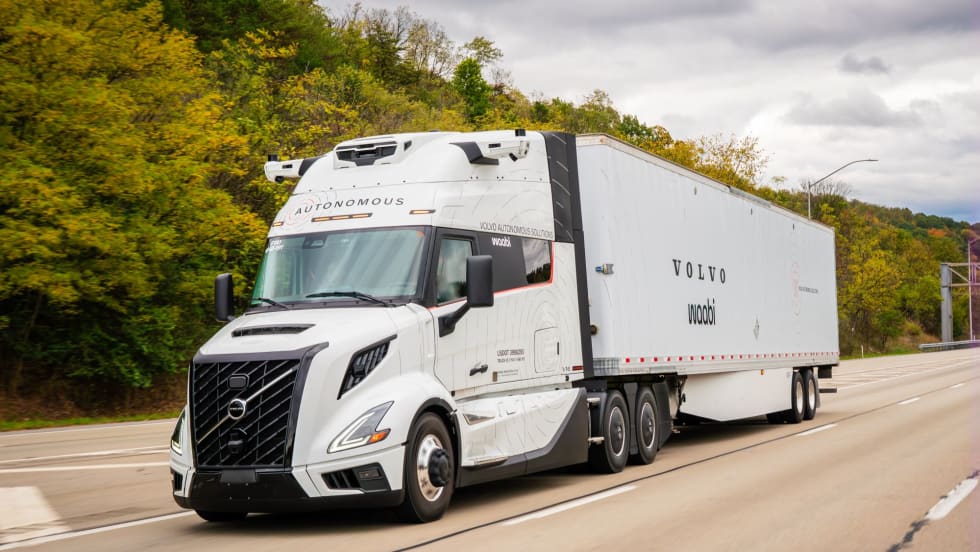
Waabi, Volvo Claim Breakthrough in Scaling Autonomous Trucking
Waabi says its AI-powered virtual driver successfully transferred to Volvo Autonomous Solutions' Volvo VNL Autonomous platform without retraining or additional data, a milestone the companies say could dramatically accelerate commercialization of autonomous trucks.
Read More →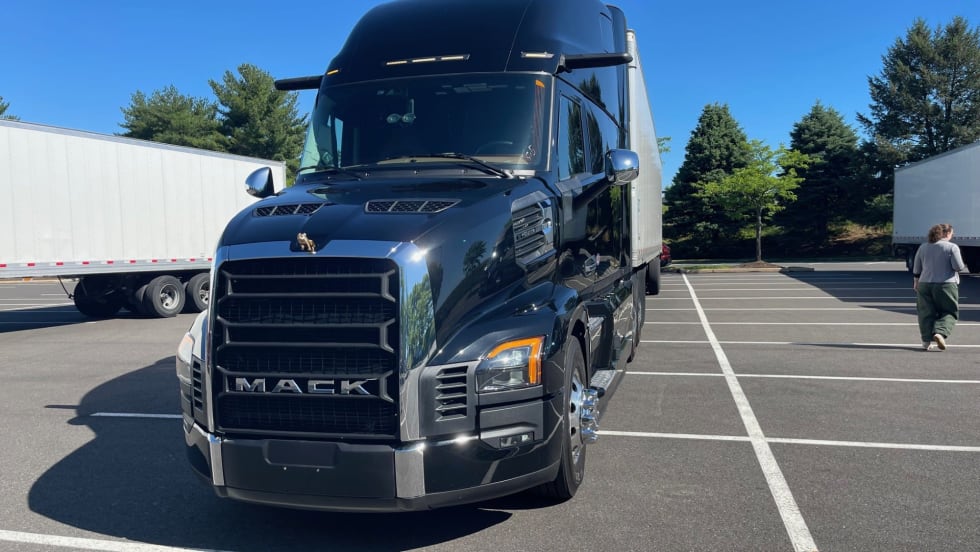
Why the Mack Pioneer Signals a New Era in Class 8 Truck Design
After a public-road drive through eastern Pennsylvania, one thing became clear: Mack's new Pioneer isn't simply packed with technology -- it's been engineered around the driver in ways that could redefine long-haul trucking.
Read More →