




Daimler Execs Upbeat About Truck Sales, Concerned About CARB
MATS, LOUISVILLE, KY -- Truck orders at Daimler Trucks North America over the past four months are up 30% over the previous year, so the company has been gradually ramping up production and expects a strong 2014. However, the involvement of the California Air Resources Board in writing the next round of federal emissions regulations has them concerned.


Wolfgang Bernhard, head of Daimler Trucks. Photo by Evan Lockridge

MATS, LOUISVILLE, KY -- Truck orders at Daimler Trucks North America over the past four months are up 30% over the previous year, so the company has been gradually ramping up production and expects a strong 2014. However, the involvement of the California Air Resources Board in writing the next round of federal emissions regulations has them concerned.
In a roundtable with reporters at the Mid-America Trucking Show in Louisville, Ky., Wolfgang Bernhard, head of Daimler Trucks, and Martin Daum, President and CEO of Daimler Trucks North America, were upbeat in their assessment of the market overall and Daimler sales in particular.
In the North American market, they project the market to be as much as 10% higher in 2014 than in 2013 – perhaps even more. Daimler's current forecast is for U.S. Class 8 sales to reach 209,500, up from last year's 184,800.
"U.S. Class 8 could go up by as much as 20%," Daum said. "I don't see the current 30% level continuing, but even if the rest of the year is flat we'll see fairly high numbers for the year."
"Order intakes have been very, very strong," Bernhard said. "They started in the final months of the year last year and the market seems to be coming back."
The upswing is driven not so much by large fleets, Bernhard said, as by smaller and medium-size fleets, as well as in rental vehicle demand for those who are seeing a need for more capacity but aren't quite ready to buy.
Over the last several months, the company has gradually ramped up production, Daum said, hiring 1,200 people. "We are up about 100 trucks a day more than November, which is up 20%," he said.
The company's market share continues to dominate the industry, with U.S. Class 8 share year to date (through February) at 40.2%, up from 38.2% at the end of 2013. For Class 6-7, market share year to date is at 45.8%, up slightly from 2013's 44.1%.
"I'm very bullish and strong that we may end up with a higher number, but you never know how the next 10 months will shake out," Daum said.
"The cornerstone of our success is the Cascadia Evolution," he said. "It has surpassed all expectations, at 40,000 orders and counting."
Also surpassing expectations are orders for the Detroit DT12 automated manual transmission, which began production last May. There are already 17,000 orders on the books. "It's basically a breakthrough," Bernhard said, while Daum added, "in my wildest dreams I would not have thought" it would have that level of success.
Tightening the screws

Just when you thought the battle against NOx was over, the California Air Resources Board has started talking about new ultra-low-NOx levels. With CARB's involvement in the second round of federal fuel efficiency/greenhouse gas emissions regulations, this is a concern.
"Please join us in urging EPA to tighten the screws that create the most leverage, the ones that will make the biggest difference," Bernhard said. "It's important for us that we get a full vehicle standard, that recognizes that GHG is not just an engine or transmission thing – it's a whole system. Think of it as in basketball – you can't win with just a big-point player alone.
"Tighten the screw, but don't overwind it – don't tighten it till it breaks. I think EPA gets this; I'm not so sure about CARB yet."
When asked in a Q&A session to elaborate on the situation, Daum said, "Any further NOx regulation would be disastrous," Daum said.
While it's possible to reduce NOx further, it would be extremely difficult to build technology to measure the NOx reduction from levels that are already extremely low.
"You can only test and get those levels in laboratories," Bernhard said. "I can't employ NASA technology on every truck."
Nevertheless, while he is concerned, Daum said that the 2013 and 2017 GHG regulations were good examples of regulation that was realistic. "At the moment I'm very positive that we get a similar challenging standard for 2020. What's beyond that, nobody knows."
Related Story:
Daimler Trucks Execs Share Successes, Peek into Future (October 2013)
More Fuel Smarts
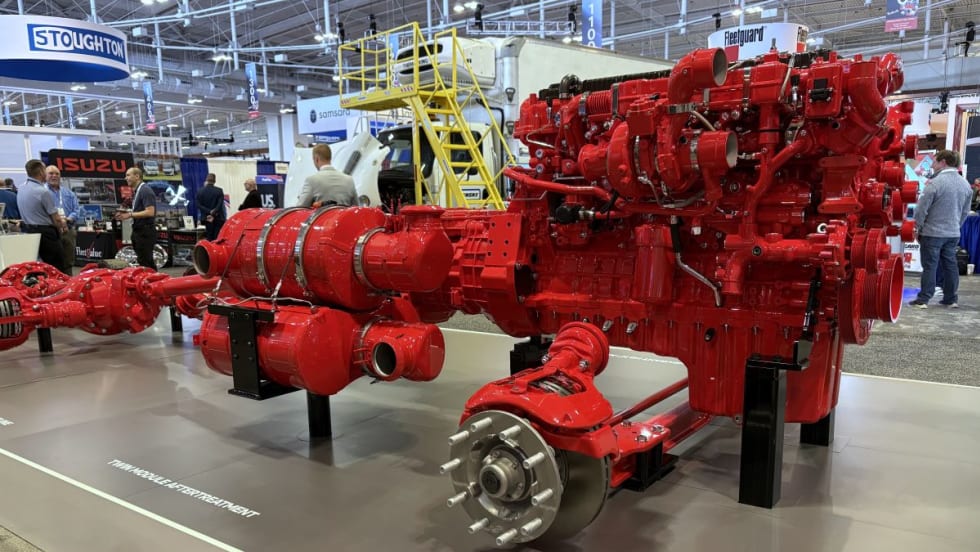
Cummins Adjusts 2027 Engine Rollout After EPA Proposal
The engine maker will gradually introduce its new Model Year 2027 diesel engines while continuing to offer current models during the transition, citing the EPA's proposed emissions rule changes.
Read More →
EPA Proposal Could Ease 2027 Truck Costs and Buying Uncertainty
The proposal doesn't change the tougher NOx standard, but it would revise key implementation requirements that manufacturers say have driven up costs and complicated fleet purchasing decisions.
Read More →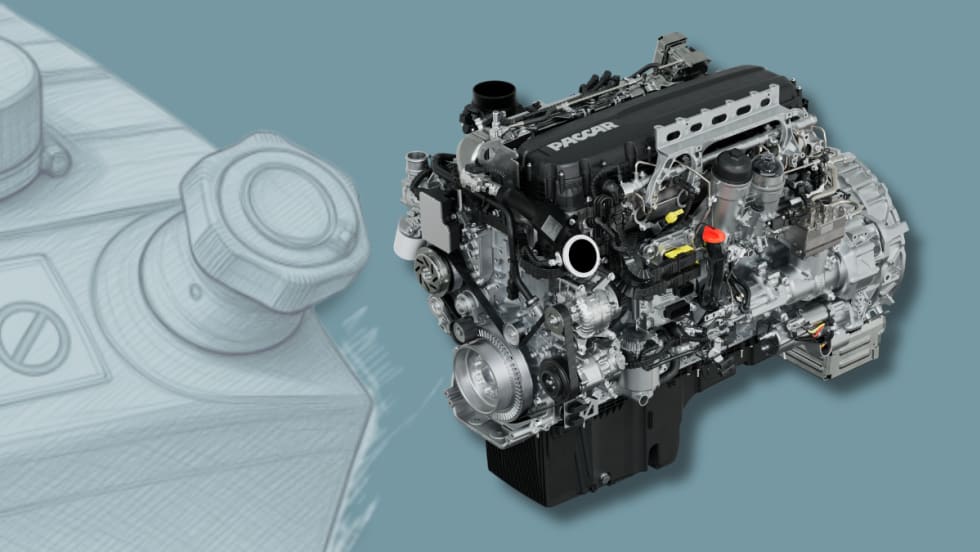
Cummins, Paccar Ease DEF Derates After EPA Guidance
Updated diesel engine software gives truck operators more time to address emissions-system issues while staying compliant with EPA emissions standards.
Read More →
Maintenance in the Messy Middle Part 3: Biodiesel
Biodiesel can reduce emissions, improve fuel-system lubricity and use existing diesel infrastructure. But NACFE’s Messy Middle maintenance report says fleets must actively manage storage, cold-weather operation, filters and oil drain intervals to avoid problems.
Read More →
Enhance Fleet Performance with High-Efficiency Auxiliary Power Units
Drive sustainable cost savings while increasing driver comfort during short- and long-haul logistics operations.
Read More →
Maintenance in the ‘Messy Middle’ Part 2: Renewable Diesel Fuel
NACFE's latest Messy Middle Powertrain Service & Maintenance report says renewable diesel gives fleets an opportunity to reduce carbon emissions without changing trucks, fueling infrastructure or maintenance practices. But technicians still need to understand several important operational differences.
Read More →
The Diesel Engine Enters NACFE’s ‘Messy Middle’
NACFE’s new Messy Middle Powertrain Service & Maintenance report says keeping modern diesel engines running now depends as much on software, diagnostics and data as traditional mechanical service.
Read More →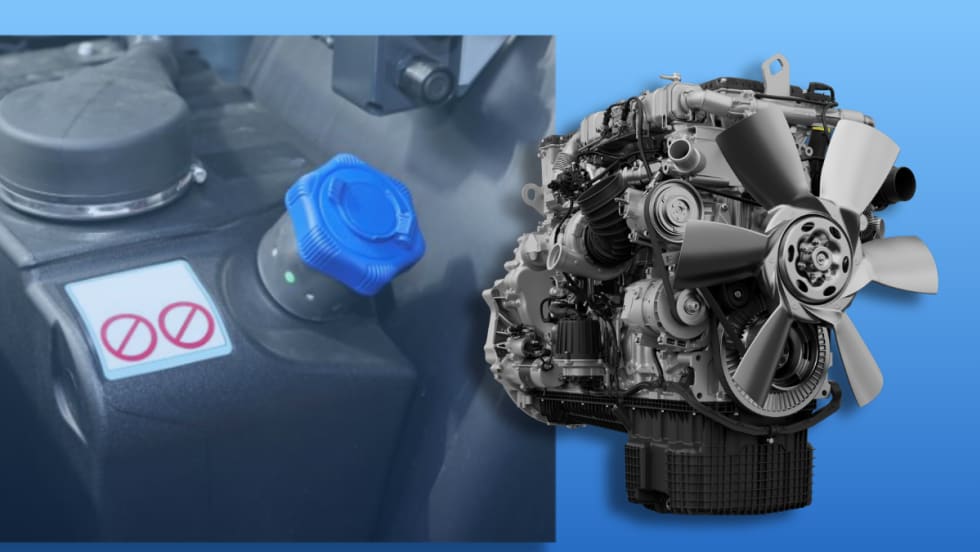
DTNA Software Update Gives Truckers More Time Before DEF Derates Take Effect
The changes reflect EPA guidance aimed at reducing downtime caused by emissions-system faults while maintaining compliance requirements.
Read More →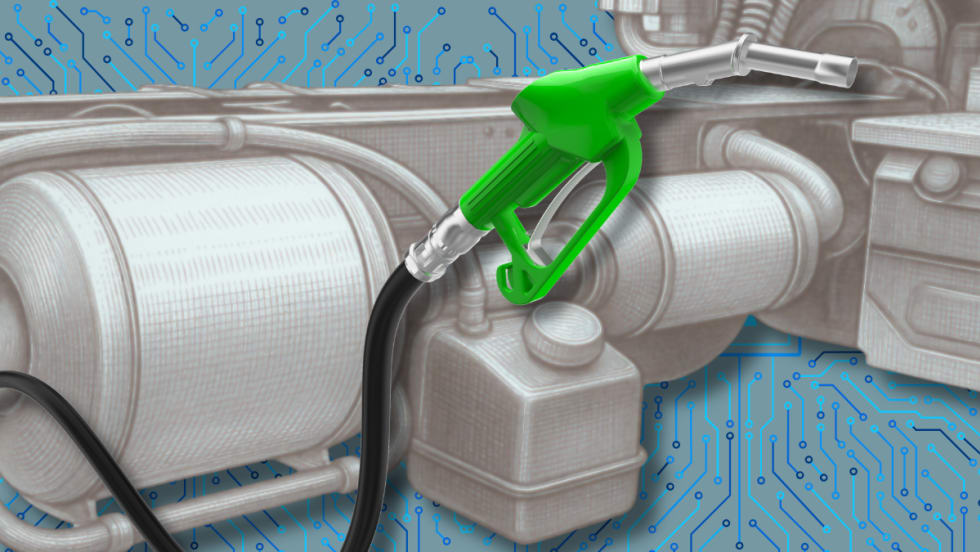
New Agentic Predictive Maintenance Report Demonstrates How Degraded Aftertreatment Systems Waste Fuel
Questar analyzed a large mixed-class fleet and discovered it was wasting as much as $30 in fuel per vehicle, per day, because of mechanically degraded aftertreatment systems.
Read More →
New York City's Microhub Project is Delivering Results
Trucking, last-mile delivery companies, and environmental advocates like what they are seeing so far with New York's microhub program.
Read More →