





Dig Deeper: 9 Keys to Drawing a Roadmap to Zero Fleet Emissions
Colorado to Adopt Advanced Clean Trucks Rule
Colorado is the latest state to adopt California’s Advanced Clean Trucks rule, as well as its low-NOx regulations.
April 26, 2023
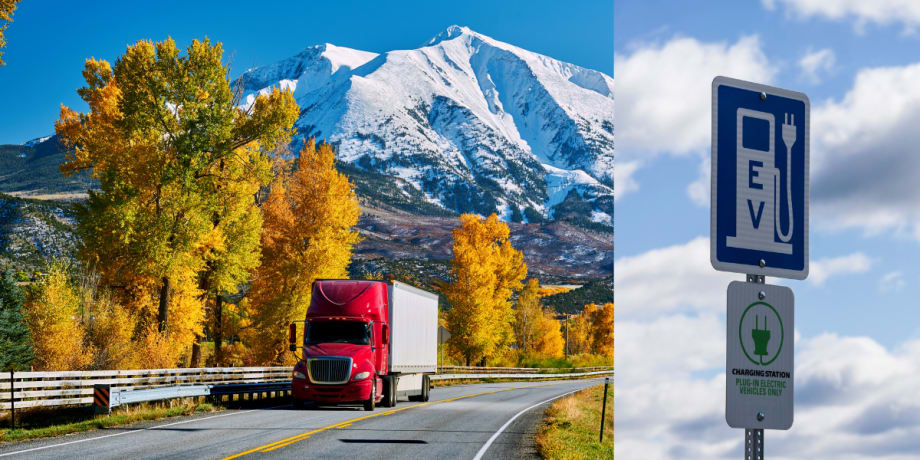
Manufacturers will have to sell more electric trucks in Colorado.
Image: HDT/Canva
3 min to read
Colorado is the latest state to adopt California’s Advanced Clean Trucks rule, as well as its low-NOx regulations. On April 21, Colorado’s Air Quality Control Commission adopted new rules to promote access to zero-emissions trucks.
It says these new measures will:
Give Colorado businesses and consumers more options when buying zero-emission trucks.
Reduce maintenance, operating, and fuel costs for zero-emission-truck owners.
Dramatically reduce greenhouse gas emissions
Reduce air pollution emissions, such as nitrogen oxides and particulate matter, that lead to the formation of harmful ground-level ozone pollution.
The state health department’s Air Pollution Control Division developed the rules and proposed them to the commission. After a multi-day hearing with public comment, the commission voted to adopt two of the rules as the division proposed them, the Advanced Clean Trucks rule and the Low NOx Truck rule.
The Advanced Clean Trucks rule sets a sales standard for manufacturers to make more zero-emission trucks available in Colorado. It takes effect for trucks starting with model year 2027, and the sales standard percentage grows incrementally through model year 2035. This rule will only apply to manufacturers of medium- and heavy-duty trucks. It does not require Colorado businesses or consumers to purchase a zero-emission truck.
Colorado is the eighth state to adopt the ACT rule and the first interior state to adopt it, according to Ceres. Other states that have finalized the rule are all on the coast, include California, Massachusetts, New Jersey, New York, Oregon, Vermont, and Washington. North Carolina and Maryland are also in the process of adopting the policy.
The Low-NOx Truck rule sets more stringent air pollution emissions standards for heavy-duty vehicles, improves testing requirements for engines, and extends warranties. It takes effect for trucks starting with model year 2027. NOx refers to nitrogen oxides, which form ground-level ozone pollution when they react with other pollutants in heat and sunlight. The rule will lower the nitrogen oxide emissions standard for new vehicles by 90% compared to the current standard.
The commission made some changes to the division’s proposal for a third rule, the Large Entity Reporting rule. It will still only apply to operators with a fleet of 20 or more trucks. However, as the Public Service Company of Colorado suggested, the division will collect this information twice, instead of once. The first reporting deadline is Nov. 30, 2024. The second reporting deadline is Dec. 31, 2027. As the Environmental Justice Coalition suggested, the division will also make all of this data publicly available.
The division proposed the clean trucking rules to help meet goals in the Colorado Greenhouse Gas Pollution Reduction Roadmap. The roadmap directed the division to develop a holistic Clean Truck Strategy and to consider proposing these rules as part of that effort.
To help cover up-front costs, the division recently opened two grant programs for applications to fund clean vehicles. The federal Inflation Reduction Act created significant incentives for zero-emission trucks. These include up to $40,000 off the purchase price of clean trucks through a new federal tax credit. Colorado is also positioned to access significant federal funding to assist in deployment and reduce up-front costs for zero-emission trucks.
Ceres issued a statement praising the action, saying, “The ACT rule has garnered widespread support from major business interests, including more than 85 companies that signed a letter urging governors across the country to adopt the policy. Companies are eager to electrify their fleets to save on fuel and maintenance costs and meet their own climate goals. The ACT rule will help ensure sufficient supply for zero-emission trucks and vans to meet this growing demand from businesses in Colorado.”
“The ACT rule is a critical precondition for a smooth transition to a zero-emission medium- and heavy-duty market. It will also go a long way toward advancing Colorado’s climate objectives for net-zero greenhouse gas emission reductions, improving air quality, and providing high-quality jobs for Coloradans,” said Alissa Burger, regional policy director for Calstart.
More Fuel Smarts
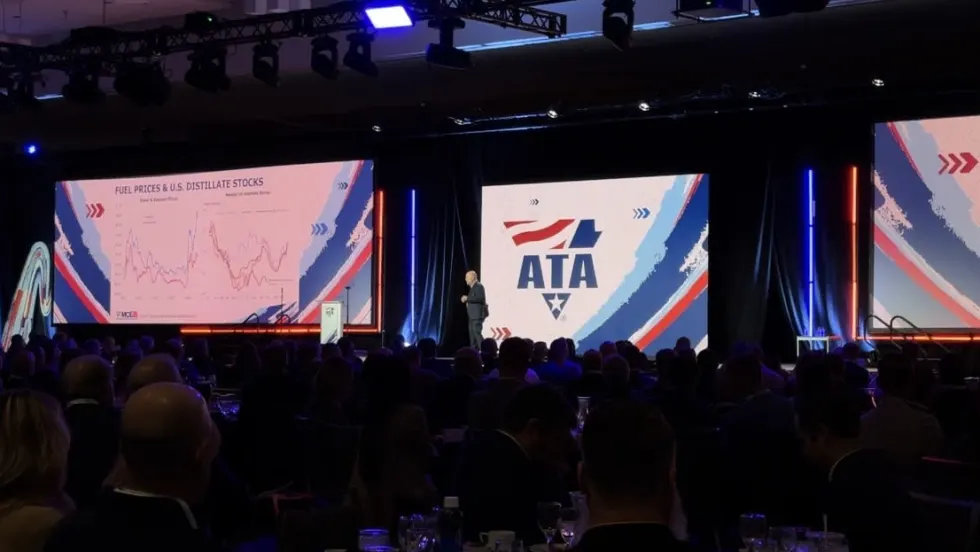
Trucking’s Diesel Squeeze Isn’t Letting Up
With diesel topping $6 a gallon nationally, ATA's Bob Costello explains why fleets should prepare for continued pressure at the pump.
Read More →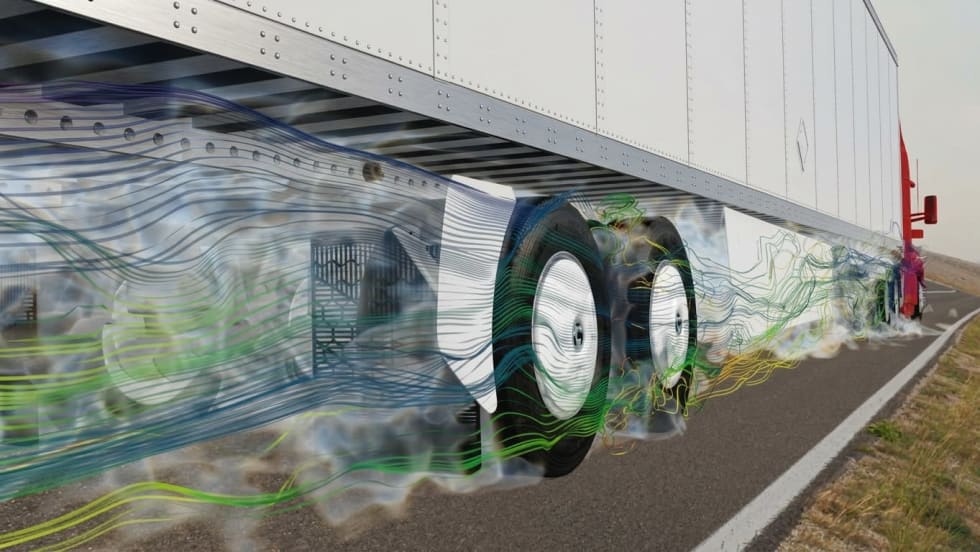
FlowBelow Redesigns Trailer AeroSlider to Cut Fuel Use
The lighter trailer aerodynamic system installs in less than 45 minutes, according to the company, with potential payback in under a year depending on fuel prices and trailer mileage.
Read More →
Why Diesel Price Relief Efforts May Fall Short
Diesel prices have eased from September’s record high, but doubts about additional Russian supply and limits on dyed-diesel tax relief mean trucking fleets still face expensive fuel. And prices could go higher.
Read More →
Why Small Fuel Savings Matter in Trucking
Can better fuel economy help pay for driver raises? In this podcast, GP Transco explains how small efficiency gains create room to reinvest in its people.
Read More →
How GP Transco Cuts Trucking Fuel Costs, a Tenth of a Gallon at a Time
What’s another tenth of a mile per gallon worth? GP Transco shares how equipment upgrades and driver coaching turn small gains into meaningful fuel savings.
Read More →
Electric Yard Tractors Move Beyond Pilots
Operating-cost savings have overtaken sustainability goals as the leading reason surveyed fleets are adopting battery-electric terminal tractors, according to new NACFE research.
Read More →
Geotab Links Fleet Card to Vehicle Data
The new card combines fuel discounts with telematics-based purchase controls. Geotab’s analysis also points to potential savings from choosing lower-priced fuel stops.
Read More →
Fleet Economics Shape Electric Truck Outlook
ACT Research expects costs, charging infrastructure, and technology improvements to drive zero-emission commercial vehicle adoption as federal regulations and incentives retreat.
Read More →
Wex Adds Cardless Fuel Payments for Over-the-Road Customers
A new fuel card feature for Wex customers offers convenience and security.
Read More →
New California Law Could Shed Light on Electric Truck Prices
Why do battery-electric Class 8 trucks remain so expensive? A California bill signed by Gov. Gavin Newsom would give fleets and state agencies more visibility into what manufacturers charge.
Read More →