




ATA Dismisses Reason Foundation Call for Tolls
A report from the Reason Foundation outlining the benefits of tolling for infrastructure has been denounced by the American Trucking Associations.
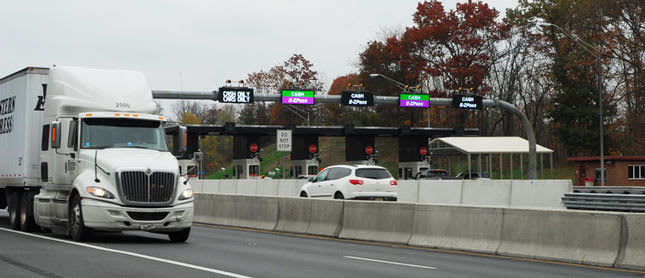
Photo: Jim Park

A report from the Reason Foundation outlining the benefits of tolling for infrastructure has been denounced by the American Trucking Associations.
The report details reasons for the trucking industry to embrace the use of tolling to finance infrastructure repair and upkeep . It outlines federal and state legislations that the Reason Foundation says could eliminate the trucking industry’s previous objections to tolling.
The report says that truckers could be guaranteed that toll rates would only cover the capital and operating costs of the tolled infrastructure. The foundation suggests that tolling of existing interstate routes would not begin until that section of highway has already been reconstructed and re-opened to traffic. Tolls would replace current state gas taxes on Interstates to avoid double taxation and toll revenues would only be spent on maintaining and improving the tolled highways.
“Truckers have been wary of toll roads because they fear, rightly so, that any new Interstate tolling will turn those highways into cash cows for states,” said Robert Poole, direct of transportation policy at Reason Foundation. “However, with full use of today's electronic tolling technology, plus strong legal highway user protections, toll-financed Interstate modernization would be an attractive value proposition for truckers and other highway users."
In response to the report, ATA said the study “demonstrates a continued misunderstanding of the trucking industry and overlooks real issues with tolling.”
ATA went on to state, “Tolling - even electronic tolling - is still much less efficient than the traditional, fuel tax-based user fee system and we continue to see, despite current safeguards, tolls used for purposes other than maintenance of the roads they're collected on.”
Tolls remain unpopular in the trucking industry yet states like Rhode Island and Pennsylvania have looked at tolls and toll increases as a viable way to fund aging infrastructure. ATA still backs fuel tax-based fees as the best way to fund infrastructure.
“ATA will continue to strongly oppose the imposition of tolls in the Interstate system, particularly now as we've seen several states back off plans to erect tolls once the public sees just how bad they are for mobility and efficiency,” ATA stated.
For a full look at the Reason Foundation’s study, click here.
More Fleet Management

How Innovative Trucking Leaders Turn Change Into an Advantage
As the pace of change accelerates in trucking, the fleets that adapt best have more than the latest technology. They have cultures that embrace improvement.
Read More →
Freight Broker Bonds Just Got Harder to Get. Here's What That Means for Your Fleet.
When it gets harder for a freight broker to prove they are financially sound, the ones who cannot clear that bar get pushed out of the market. And those are exactly the brokers who used to leave motor carriers holding the bag.
Read More →
Long-Awaited Canadian Border Bridge to Open in Detroit
For trucking, the bridge opening should offer immediate improvements in efficiency and reliability, with new customs facilities, expanded inspection capacity, and direct freeway-to-freeway connections.
Read More →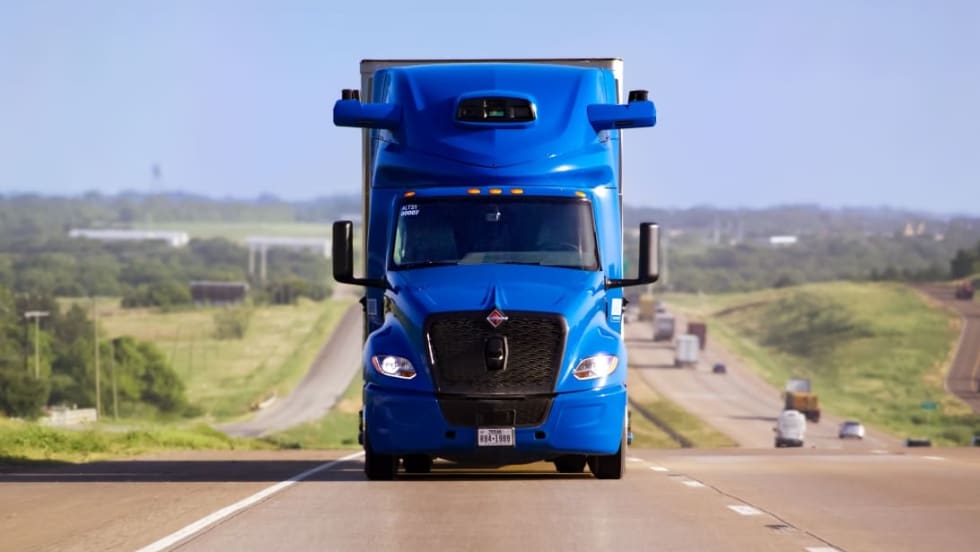
Aurora Rolls Out Next Generation of Driverless Trucks for Commercial Freight
Aurora's latest autonomous trucks it's rolling out with International feature lower-cost hardware designed for a million miles as the company expands commercial driverless freight operations across the U.S. Sun Belt.
Read More →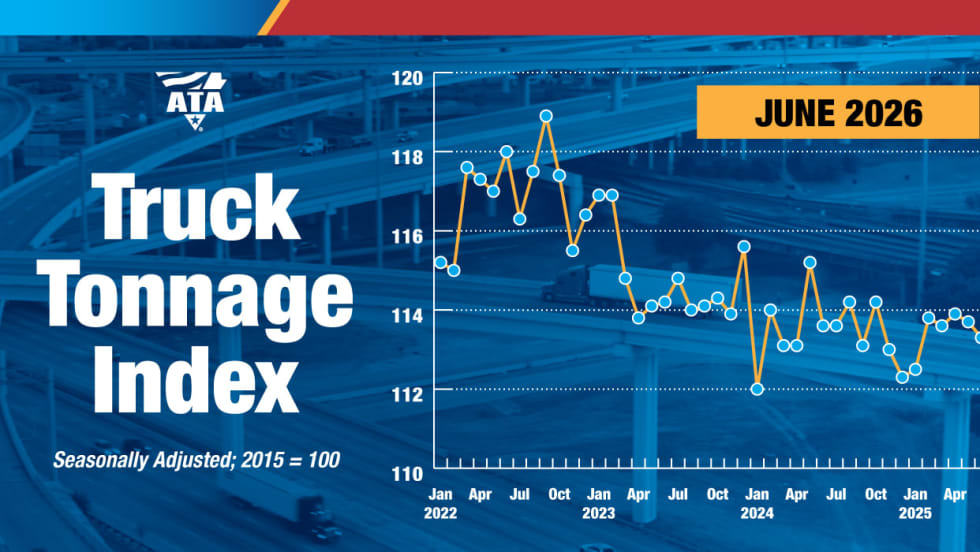
Freight Tonnage Down, Rates up, as Lower Capacity Powers Trucking Recovery
The recovery from the freight recession continues to be driven by reduction in capacity rather than by increased demand.
Read More →
Think Your Trucking Fleet Isn't Using Much AI? Think Again
Shadow AI — the use of unauthorized artificial intelligence tools at work — is becoming increasingly common, putting sensitive company data at risk. Learn how trucking fleets can protect sensitive data while embracing AI.
Read More →
ArcBest Consolidates Brands, Cuts Workforce
The company will bring three business units under the ArcBest brand, eliminate about 2% of positions, and expects the changes to generate $40 million in annual savings.
Read More →
Trucking Fleets Faced Record Operating Costs During Third Year of Freight Recession
ATRI's annual operational cost report shows carriers trimmed fleets, delayed equipment purchases, and ran older trucks as expenses continued to outpace freight rates.
Read More →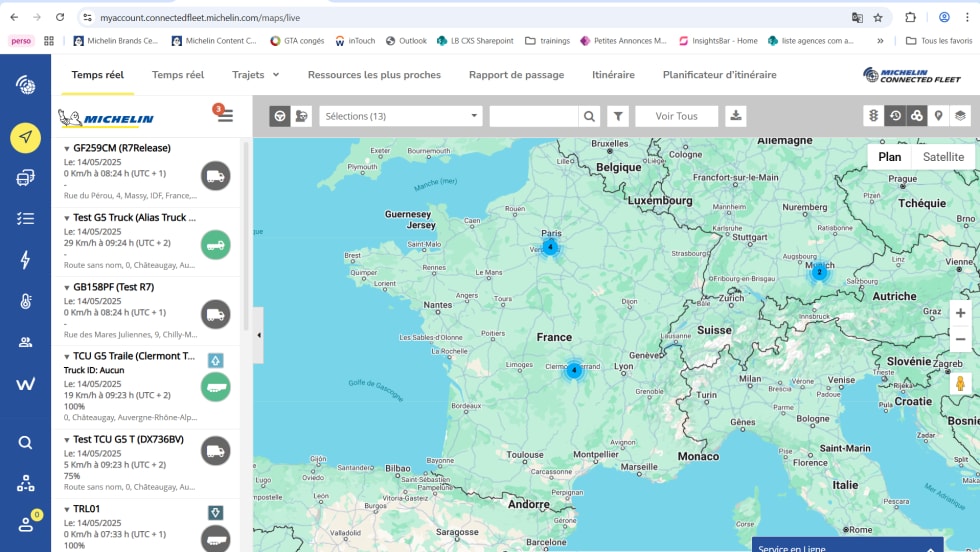
Michelin Adds AI Assistant to MyConnectedFleet Platform
Michelin’s new generative AI tool delivers instant fleet insights, helping managers analyze fuel use, tire maintenance, vehicle status, and operational performance without manually creating reports.
Read More →
LytxOne Platform Now Features AI, Compliance, and Asset Tracking Tools
New enhancements add AI-powered insights, asset tracking, compliance automation, and configurable privacy controls to Lytx's all-in-one fleet management platform.
Read More →