




With Funding Clock Ticking, Congress Turns to Highway Bill
Transportation committees on Capitol Hill are starting to write the policy provisions to reauthorize the highway program that expires this fall, but the finance committees have yet to move on the key issue of funding.

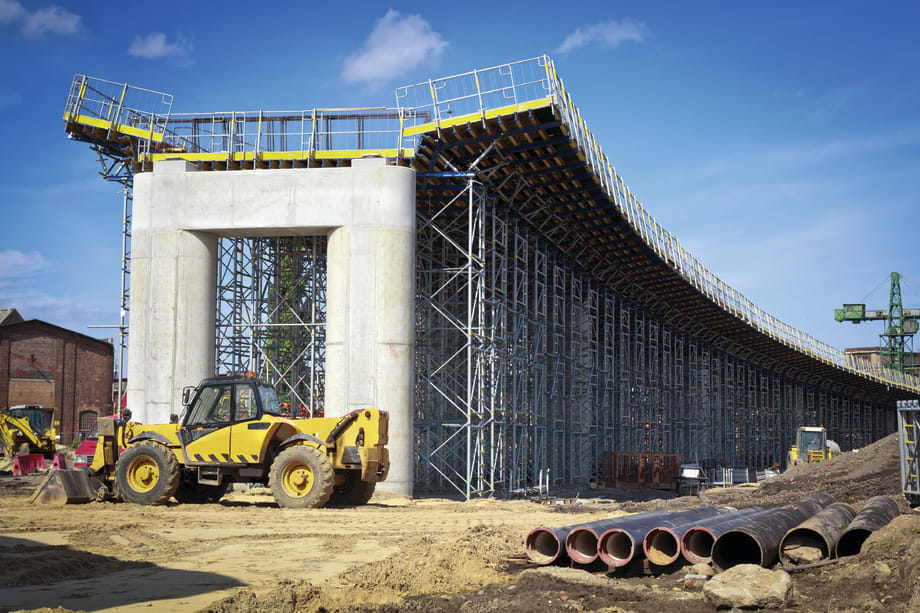
The Highway Trust Fund may run out of money by this summer as discussions for funding sources continue on Capitol Hill in Washington D.C.
Transportation committees on Capitol Hill are starting to write the policy provisions to reauthorize the highway program that expires this fall, but the finance committees have yet to move on the key issue of funding.
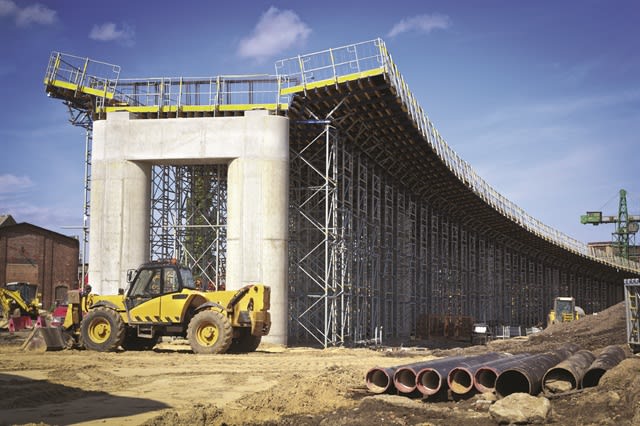
The Highway Trust Fund may run out of money by this summer as discussions for funding sources continue on Capitol Hill in Washington D.C.
Discussions are tinged with a sense of impending crisis.
“Obviously we want to avoid a train wreck.” That’s what U.S. Transportation Secretary Anthony Foxx told an audience of about 300 people at the U.S.
Chamber of Commerce last month, urging them to press Congress for more spending on infrastructure. Other members of the Obama Administration, including the president in his State of the Union speech, have been sending urgent signals that the Highway Trust Fund is in trouble.
The problem is not the Sept. 30 deadline; extensions are common. The problem is the Highway Trust Fund may run out of money by this summer.
Already, state transportation departments are sending up distress signals, warning that unless Congress fixes the problem soon they will have to start cutting their programs.
In the House, funding is the responsibility of the Ways and Means Committee, and a group of Democratic committee members is asking committee Chairman Dave Camp, R-Mich., to schedule hearings on highway funding options.
“Our transportation programs may begin to notice the drop in funding this summer, when the Highway Trust Fund’s available cash on hand is likely to fall below $4 billion,” they said in a letter to Camp.
That’s the minimum amount needed to meet week-to-week obligations, they said. “Below this amount, reimbursements to construction projects will be curtailed, and jobs will be lost.”
Among those who signed the letter is Rep. Earl Blumenauer, D-Ore., author of a bill that would raise federal fuel taxes and index them to inflation.
This is the approach favored by most highway users, including American Trucking Associations and the national business community.
“The simplest, most straightforward and most effective way to generate enough revenue is by increasing federal gasoline and diesel taxes,” U.S. Chamber of Commerce President Thomas Donohue recently told the Senate Environment and Public Works Committee.
But it’s also the heaviest lift for lawmakers who don’t want to be the ones to raise taxes.
Sen. Jeff Sessions, R-Ala., challenged Donohue on the issue: “So you want to raise taxes on Alabamians who have to commute to work?”
Donohue replied, “Senator, whether you raise the tax or seek the funds through some other means of federal expenditure, the citizens of Alabama are going to pay for it.”

U.S. Transportation Secretary Anthony Foxx recently told an audience at a U.S. Chamber of Commerce meeting that the government should work to avoid the impending infrastructure funding crisis.
Sessions said he would rather find highway money buy cutting wasteful spending and Donohue said he would support that approach if it actually happens.
“The longest sing-song in Washington is waste, fraud and abuse and we’re going to get rid of it and get the money, but the money never shows up,” Donohue said. “If you actually got the money out of other budgets and put it (into highways) I would applaud you.”
On the House side, Rep. Bill Shuster, R-Pa., chairman of the Transportation and Infrastructure Committee, also has acknowledged the political difficulty of raising the tax.
He formerly said all funding options are on the table, but recently told an infrastructure advocacy group that there is not enough support in Congress or the public to raise the fuel tax.
There are other money-raising options, such as increased use of public-private partnerships, tolling and bonding initiatives. There also are proposals to take the federal government out of transportation and devolve governance and funding to the states.
Rep. Shuster said he wants to wrap up the T&I Committee’s work on the bill by early summer and get it to the floor by August.
In the Senate, Barbara Boxer, chair of the Environment and Public Works Committee, said she wants a bill drafted by April.
What the safety community wants
The highway bill is not only about money. As Congress gets to work, police and roadside inspectors are calling for changes in the federal truck safety program, and a safety advisory panel is pushing several dozen reforms, from changing how drivers are paid to an entirely new approach to hours of service.
Thomas Fuller, a sergeant in the New York State Police, told a congressional panel that the Motor Carrier Safety Assistance program works well but needs some improvements.
Speaking for the Commercial Vehicle Safety Alliance representing state, provincial and federal truck safety officers, Fuller said the program needs to be more flexible.
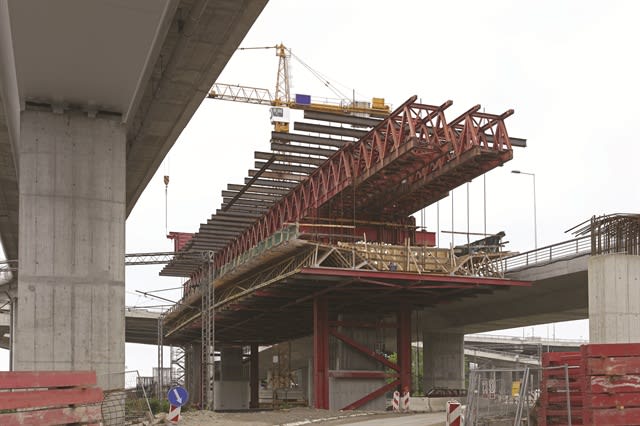
Suggested funding sources for infrastructure include increasing federal gasoline and diesel taxes, public-private partnerships or by cutting wasteful spending.
The program, administered by the Federal Motor Carrier Safety Administration, dispenses federal dollars to pay and train some 12,000 enforcement officers, buy the equipment they need, update their software and conduct outreach programs.
“The good news is that the program works,” Fuller said. “Every dollar invested in the state programs yields a big return for taxpayers.”
But FMCSA should not be too specific when it spells out how the money should be spent, Fuller said. The agency should issue broad goals and parameters, and let the states decide how best to achieve those aims.
For example, he said, the agency should ease a funding restriction on traffic enforcement. That way, states can allocate their resources as they see fit.
On another front, an advisory panel to FMCSA is encouraging the agency to push for a long list of reforms in the highway bill.
The ideas proposed by the Motor Carrier Safety Advisory Committee are as diverse as the group’s membership, which includes carriers, owner-operators, police, labor unions, bus operators and safety advocates.
It was Danny Schnautz of Clark Freight Lines who suggested that the agency find an entirely new way to regulate driver hours of service.
This drew nervous laughter from attendees at the February meeting of MCSAC who have lived with a decade of bitter fighting over this intractable issue. But Schnautz said, “We should not settle on hours of service the way it is. Anybody that’s laughing has not had to live under these rules.”
Don Osterberg, senior vice president of safety, security and driver training for Schneider National, added a national speed limit to the wish list. The idea is unpopular and politically untenable, he acknowledged, but it’s a lifesaver: If you reduce speed you reduce the severity of crashes.
Osterberg also wants federal safety ratings for trucks, the same as the National Highway Traffic Safety Administration does for cars.
“I feel a moral obligation to our drivers to put them in the safest vehicle I can,” he said.
Owner-Operator Independent Drivers Association Executive Vice President Todd Spencer is pushing for the agency to audit new entrants before they open their doors, rather than within 18 months as is the current practice. And a longstanding agenda item for OOIDA has been tougher requirements for entry-level driver training.
Safety advocates on the committee want FMCSA to regulate Schedule II drugs, which range from opiates used in prescription pain relievers to stimulants used to treat attention deficit disorder.
They also want to reform truck driver compensation. The agency should establish a minimum hourly pay rate for drivers, and the overtime pay exemption for drivers in the Fair Labor Standards Act should be eliminated, they say.
Other items:
• A study to determine what it would take to get trucks and buses to zero fatalities;
• A rule to require or encourage safety systems such as forward collision warning and adaptive cruise control;
• Tougher entry standards with a higher insurance requirement and registration fee; and
• Have FMCSA regulate shippers for safety and driver pay.
More Drivers

Truck Drivers Need More Than Another Alert
Fleets have more visibility into truck health, safety events, and driver activity than ever. The next challenge is turning all that information into useful guidance for the person who has to decide what to do next.
Read More →
FMCSA Removes 110 Truck Driver Training Schools from Certified ELDT List
Federal regulators also are targeting more than 160 additional training providers and launching a nationwide audit of third-party CDL skills testers as part of a broader crackdown on trucking fraud.
Read More →
Hours of Service Pilot Programs: FMCSA Readies for 2027 Rollout
Two pilot programs could eventually reshape hours-of-service rules, giving truck drivers options to pause their 14-hour clock or use longer split sleeper rest periods.
Read More →
Medical Cards, English Proficiency Reshape Roadcheck Violations
Medical-card violations jumped to the top of the driver out-of-service list during CVSA’s 2026 International Roadcheck, while English-language proficiency violations appeared among the leading violations for the first time.
Read More →
Driver Trust Can Make or Break the Success of Fleet Safety Technology
New Teletrac Navman research suggests that onboarding, transparency about driver data, and positive feedback can play a significant role in how commercial drivers respond to safety and coaching technology.
Read More →
EEOC Sues KLLM Over Alleged Sex Discrimination in Driver Training
KLLM is facing a federal sex-discrimination lawsuit over policies the EEOC alleges put female truck driver trainees at a disadvantage.
Read More →
FMCSA Moves to Codify English Language Requirements for Commercial Drivers
By changing regulations on English-language proficiency requirements for commercial drivers, rather than relying on a guidance memo, the FMCSA said future administrations won't be able to walk back the Trump administration's stricter enforcement with just a memo.
Read More →
Drivers Put Western Star Trucks to the Test at Star Nation Experience
Watch to get an inside look at the Western Star trucks, technology, and community behind the Star Nation Experience 2026!
Read More →
Trump Administration Looks to Put More Veterans Behind the Wheel
The Freedom Haulers program pulls together existing and expanded programs at several federal agencies to recruit veterans to drive commercial heavy-duty trucks and cut the red tape for them to get a CDL, training, and employment.
Read More →
Putting Mack’s Command Steer to the Test
A test drive of Mack’s Command Steer active steering system evaluates how it can make truck driving easier and less tiring.
Read More →