




Why You Need to Pay Attention to Your Air Dryer
It's more important than ever to protect a truck's air system from contamination, because there are more and more on-vehicle technologies making use of that air. That's why having and taking proper care of an air dryer is vital.



It's more important than ever to protect a truck's air system from contamination, because there are more and more on-vehicle technologies making use of that air.
That's why having and taking proper care of an air dryer is vital. Installed between the compressor and reservoirs, the air dryer collects and removes solid, liquid, and aerosol contaminants such as water and oil before they enter the air brake system and jeopardize efficient operation.
Bendix, which has produced more than 10 million air dryers, says it's not enough to remove the moisture from the air. It says you also need to make sure the oil is being kept out of the air system.
Oil can contribute to premature damage in a variety of components such as push-pull dash valves, spring brake modulating valves, and brake chamber diaphragms. And oil-deteriorated seals can cause air system leaks that may cost you points during roadside inspection.
Oil contamination can lead to the failure of any system that relies on clean air for proper operation, including the air brake, engine, emission, and drivetrain systems. These systems include a variety of advanced technologies required to meet stricter emissions regulations on vehicles built after 2007 and 2010, as well as technologies that fleets are increasingly adopting to improve productivity and fuel economy, including diesel particulate filters, selective catalytic reduction system and transmissions on top of the safety-critical brake components.
Ensuring effective performance of an air dryer over time means replacing air dryer filters on a regular basis. For better air dryer performance, non-oil-coalescing cartridges can be upgraded to an oil-coalescing cartridge such as the Bendix PuraGuard cartridge.
Bendix warns that if its PuraGuard oil-coalescing cartridge is an OEM standard, it must be replaced with a like unit.
When replacing cartridges, Bendix says fleets need to beware of low-cost and counterfeit cartridges, which are not as effective as original OEM equipment. To ensure fleet owners and operators are using genuine parts, Bendix PuraGuard cartridges feature an embossed silver medallion on the top, as well as the PuraGuard logo on the side.
Maintenance
Adhering to a strict preventive maintenance schedule is crucial to keeping a vehicle’s air system clean and ensuring superior performance.
Depending on vocation, Bendix recommends a one-, two-, or three-year air dryer cartridge replacement on vehicles equipped with a Bendix compressor:
For severe service applications, such as residential refuse trucks or school buses, the air dryer cartridge should be replaced every year or 100,000 miles.
For pick up and delivery operations, or for double- and triple-trailer line haul trucks, every two years or 200,000 miles is recommended.
Line haul operations using a single trailer should swap the filter out every three years or 300,000 miles.
Recommended intervals for trucks equipped with non-Bendix compressors are six months (50,000 miles), one year (100,000 miles), and two years (200,000 miles), respectively.
More frequent intervals may be required depending on a vehicle’s age, its compressor condition, the operating environment, the vehicle’s vocation, and its usage. In conjunction with the guidelines, fleets can determine the functionality of their filters by checking for moisture in the air brake system monthly. If moisture is present, the air dryer cartridge may require replacement.
“In addition to the guidelines for maintenance noted, fleets who acquire used trucks should change the air dryer cartridge as part of their prep work to bring the truck into operation,” noted Fred Andersky, director of marketing – charging. “Changing the cartridge and sticking to a maintenance schedule, like our 1-2-3 approach, helps ensure long life and improved reliability of the air system, critical components, and the truck itself. Bottom line, the right air dryer and cartridge can help a fleet and owner-operator lower their operating costs.”
More Maintenance

Mack Expands Extended Coverage With Four Chassis System Plans
Mack Trucks' new system-specific coverage options allow heavy-duty fleets to select protection for driveline, cab, HVAC, electronics, and advanced safety components.
Read More →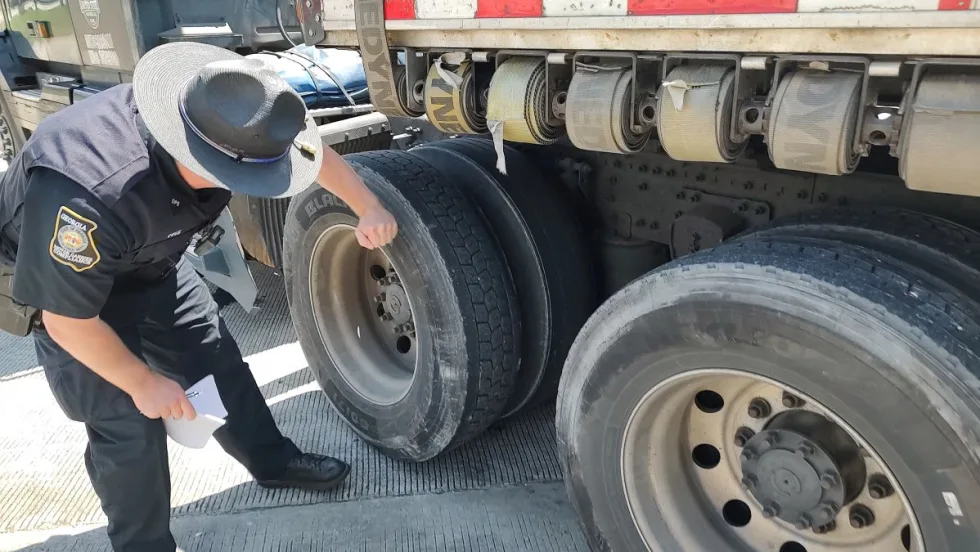
What an Out-of-Service Order Really Costs, and How to Plan for One
The repair invoice is the first number you see — and often one of the smallest. Here’s what else an out-of-service order can cost a fleet, and how planning can reduce the damage.
Read More →
International Launches Online Truck Parts Store
Fleetrite.com lets fleets and repair shops find OEM and all-makes parts, check prices and availability, and order without calling a parts counter.
Read More →

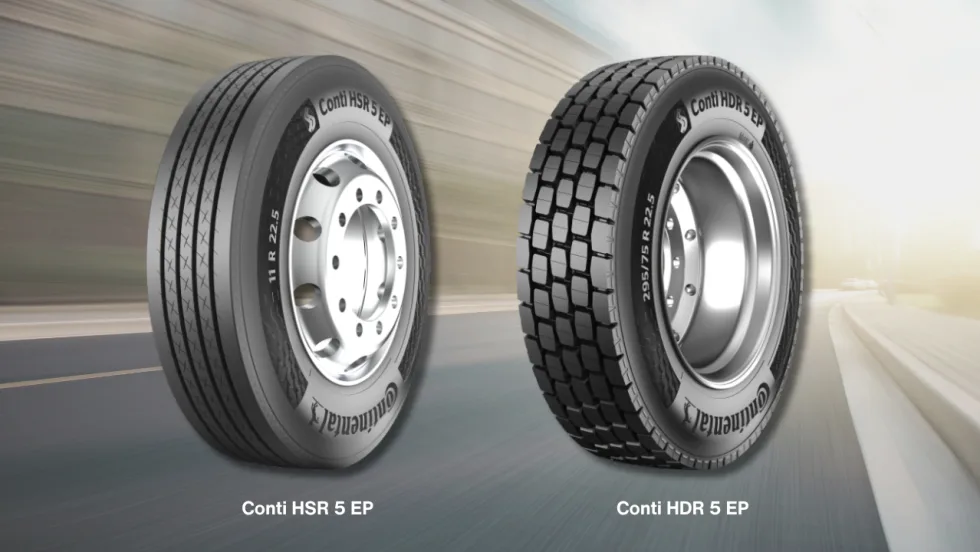
Continental Introduces New Regional Truck Tires
Continental says its new Generation 5 steer and drive tires for regional operations offer longer tread life, with estimated mileage gains of 22% and 19%, respectively.
Read More →
How AI Can Help Your Techs’ Efficiency
The technician shortage isn't going away, and no single fix can close the gap on its own. Trent Broberg makes the case that AI's real job in the shop is protecting the billable hours and job satisfaction of the techs you already have, not asking them to work faster.
Read More →
Color Match Smarter: Tools That Restore & Perform
For fleet managers and collision repair professionals keeping heavy-duty trucks on the road, getting the color right the first time isn't just about appearance — it's about efficiency, turnaround time, and bottom-line results. Discover how today's digital color tools are transforming the repair process from guesswork to precision.
Read More →
Wrong Repair Prompts Recall of Freightliner, Western Star 4x2 Trucks
DTNA is recalling more than 2,400 trucks that received an incompatible software fix instead of the hardware repair required to address brake valve corrosion.
Read More →
Truck Drivers Need More Than Another Alert
Fleets have more visibility into truck health, safety events, and driver activity than ever. The next challenge is turning all that information into useful guidance for the person who has to decide what to do next.
Read More →
The Maintenance Checks Trucking Fleets Should Prioritize Before Fall Freight Picks Up
Making it through August isn’t the same as being ready for the next several months of operation. Find out what systems may have suffered from summer heat and need to be checked out before fall.
Read More →
What Three Fleets Are Doing Differently When Buying Truck Parts in 2026
With freight improving but costs still climbing, fleet maintenance executives explain how they're balancing price, quality, and supplier relationships.
Read More →