




Webb Wheel Releases Training and Tech Certification Videos
Webb Wheel has added a new training video along with an associated tech certification test to the Training Toolbox section of its website
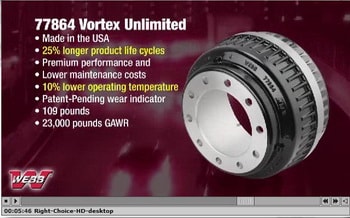
Webb Wheel has added a new training video along with an associated tech certification test to the Training Toolbox section of its website.
The 'Proper Brake Drum Selection' video illustrates how braking events affect a brake drum depending on vehicle speed and total weight as well as rate of brake deceleration; and it explains how different drum designs manage the amount of heat generated at each stop. Because of these variables, vehicle use is an important factor in choosing the right drum for a particular application and the video assists a fleet in determining the proper designs for them to ensure the best brake performance and lowest cost of maintenance.
After viewing the video, a test can be taken on the website to certify that the technician understands how to make this determination for the vehicles they maintain.
Technicians can review and test themselves on proper brake drum selection and correct wheel-end installation procedures for different hub mounting systems and the consequences of not following the recommended practices.
There is also a downloadable PDF available that addresses the potential causes of the two most common warranty returns for brake drums: out-of-round and cracked, as well describing what to look for to help diagnose these issues. The videos can be viewed in English, Spanish or French.
All Webb Training Toolbox videos, files and certification tests can be accessed from the website.
More Maintenance

Truck Drivers Need More Than Another Alert
Fleets have more visibility into truck health, safety events, and driver activity than ever. The next challenge is turning all that information into useful guidance for the person who has to decide what to do next.
Read More →
The Maintenance Checks Trucking Fleets Should Prioritize Before Fall Freight Picks Up
Making it through August isn’t the same as being ready for the next several months of operation. Find out what systems may have suffered from summer heat and need to be checked out before fall.
Read More →
What Three Fleets Are Doing Differently When Buying Truck Parts in 2026
With freight improving but costs still climbing, fleet maintenance executives explain how they're balancing price, quality, and supplier relationships.
Read More →
Paccar Recalls 2027 Trucks Built This Summer for Possible Electrical Problem
The nearly 6,000 Kenworth and Peterbilt trucks in the recall could potentially lose engine power, among other things.
Read More →
Will API PC-12 Oil Change Trucking Fleet Maintenance?
The new API PC-12 heavy-duty engine oil category reflects the changing demands of modern diesel engines. But fleets like Foodliner are looking to getting their own data before making decisions on adopting the new oils and questions such as extending oil drain intervals.
Read More →
Brake Safety Week to Focus on Drums and Rotors
Commercial vehicle inspectors are focusing on truck brakes during CVSA's Brake Safety Week, August 23-29.
Read More →
Possible Battery-Cable Fires Prompt Recall of 15,000+ International MV and HV Trucks
On the recalled vehicles, manufacturing variations can cause the battery interconnect cable to contact the auxiliary stud and hold down the bracket.
Read More →
Rush, MCT Team Up to Grow Refrigeration Service Network
The joint venture will operate MCT's network of Carrier Transicold dealerships and mobile service locations, with the companies promising greater service capacity and uptime for refrigerated fleets.
Read More →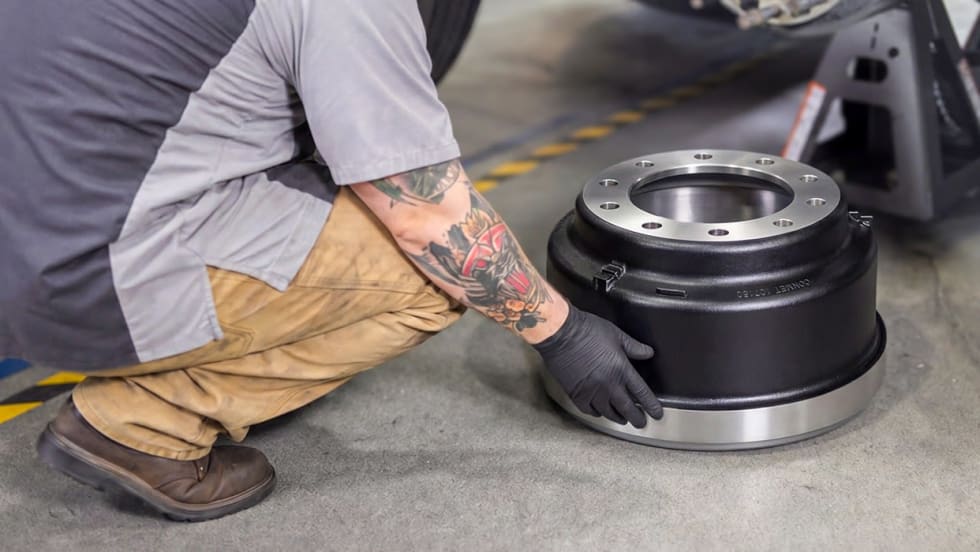
ConMet Expands Aftermarket Brake Drum Lineup With TruCast
A new heavy-duty truck brake drum option in the aftermarket gives customers more flexibility within the ConMet product family.
Read More →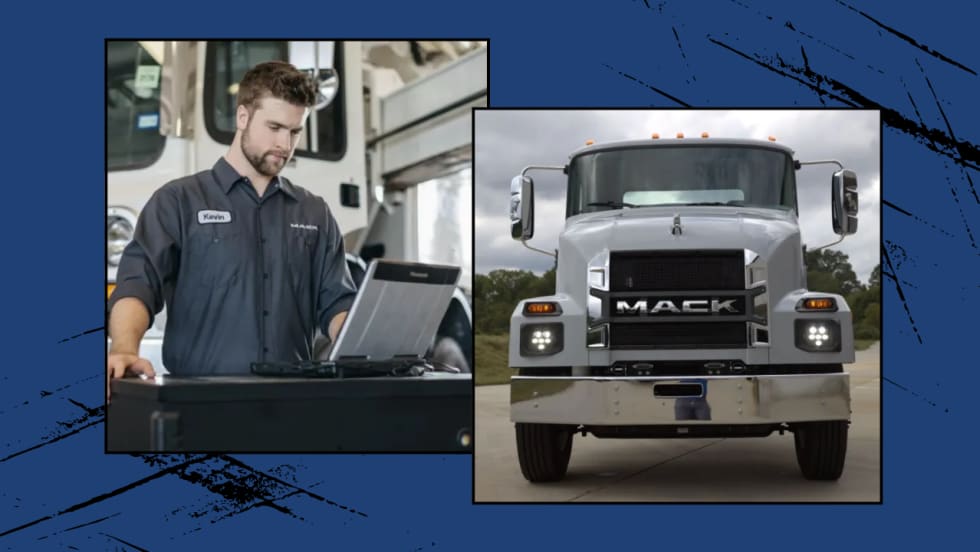
Mack Expands Premium Service Contract Coverage to Medium-Duty MD
With a service contract, inspections, preventive maintenance and repairs can be handled in a single visit instead of multiple ones.
Read More →