




Uneven Wear on Wide-Base Single Tires
The wear demons don't discriminate between standard and wide-base single tires. With a few exceptions, the kinds of irregular wear that standard tires exhibit will appear on wide-base singles, too

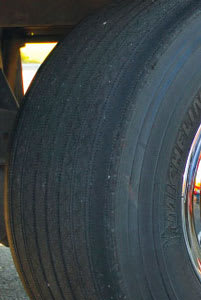
Shoulder wear on wide-base singles is a common problem.
The wear demons don't discriminate between standard and wide-base single tires. With a few exceptions, the kinds of irregular wear that standard tires exhibit will appear on wide-base singles, too.
In a recent fleet survey done by the American Trucking Associations' Technology & Maintenance Council, managers reported nothing exceptional with wide singles in free-rolling positions, though many noted that some wide singles seemed more susceptible to certain types of wear under certain conditions.
Misalignment and low inflation pressures are the most common culprits, noted Guy Walenga, Bridgestone's director of engineering for commercial products, at a tire seminar last summer. "The wear associated with pressure variations and alignment is consistent with dual tires, but it can be exacerbated on the wide-base singles," he said.
One type of wear associated with wide-base singles - inside shoulder wear, especially on trailers - is getting a lot of attention. While it's fairly common on the inner tire of a dual assembly on trailers, it hasn't been viewed as a big problem.
"Fleets usually don't use premium tires on trailers, or they run out steer and drive tires back there until they are retreaded, so fleets have not been overly concerned about inside shoulder wear on dual tires," says Doug Jones, Michelin's customer engineering support manager. "It's a different situation now that fleets are using wide-base singles on trailers. The cost of the tire is a factor. When the inside shoulder wear shows up, it creates a lot of consternation."
The causes of inside shoulder wear are generally the same across the two types of tire: axle misalignment, load-induced camber, low inflation pressure, and in some cases, neglect.
"We've looked at a number of things, but we all know that trailers are often not properly aligned, tire pressures are low and all of that," says Jones. "What we have found is that if a fleet is diligent with tire pressures, and the trailers are properly aligned, inside shoulder wear on wide-base singles is minimal. In some instances they don't even see it."
Why some fleets have problems and others do not remains a pressing question. The tire makers are looking into it now, and TMC has convened a task force to get to the root of the problem.
More Maintenance
What Three Fleets Are Doing Differently When Buying Truck Parts in 2026
With freight improving but costs still climbing, fleet maintenance executives explain how they're balancing price, quality, and supplier relationships.
Read More →
Paccar Recalls 2027 Trucks Built This Summer for Possible Electrical Problem
The nearly 6,000 Kenworth and Peterbilt trucks in the recall could potentially lose engine power, among other things.
Read More →
Will API PC-12 Oil Change Trucking Fleet Maintenance?
The new API PC-12 heavy-duty engine oil category reflects the changing demands of modern diesel engines. But fleets like Foodliner are looking to getting their own data before making decisions on adopting the new oils and questions such as extending oil drain intervals.
Read More →
Brake Safety Week to Focus on Drums and Rotors
Commercial vehicle inspectors will be focusing on brakes during CVSA's Brake Safety Week, August 23-29.
Read More →
Possible Battery-Cable Fires Prompt Recall of 15,000+ International MV and HV Trucks
On the recalled vehicles, manufacturing variations can cause the battery interconnect cable to contact the auxiliary stud and hold down the bracket.
Read More →
Rush, MCT Team Up to Grow Refrigeration Service Network
The joint venture will operate MCT's network of Carrier Transicold dealerships and mobile service locations, with the companies promising greater service capacity and uptime for refrigerated fleets.
Read More →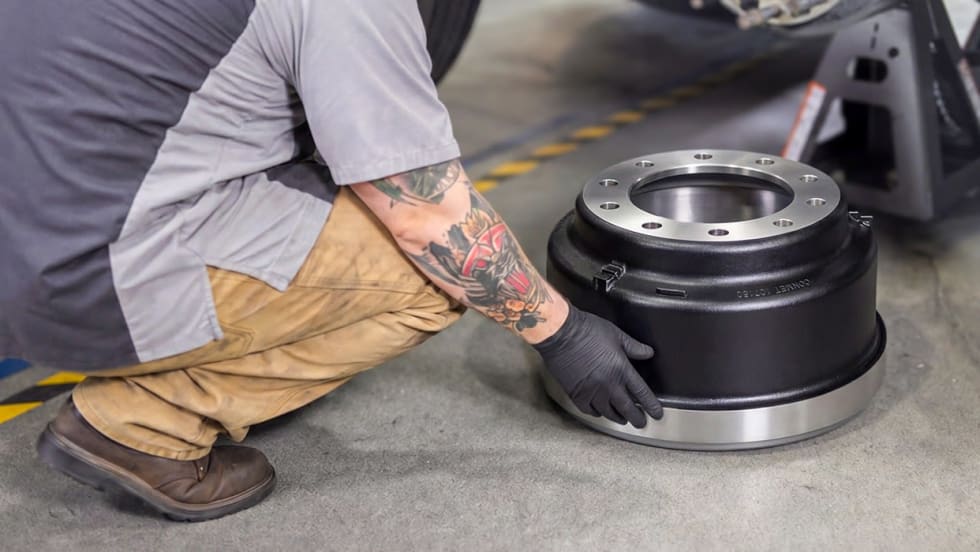
ConMet Expands Aftermarket Brake Drum Lineup With TruCast
A new heavy-duty truck brake drum option in the aftermarket gives customers more flexibility within the ConMet product family.
Read More →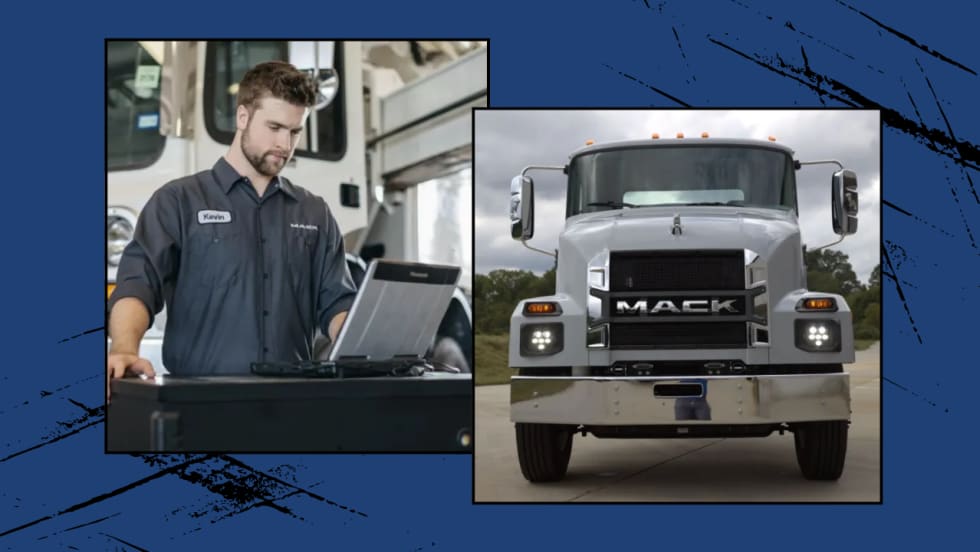
Mack Expands Premium Service Contract Coverage to Medium-Duty MD
With a service contract, inspections, preventive maintenance and repairs can be handled in a single visit instead of multiple ones.
Read More →
Maintenance in the Messy Middle Part 5: Battery-Electric Trucks
No oil changes. No diesel exhaust fluid. No exhaust aftertreatment. But NACFE battery-electric trucks still require specialized maintenance procedures.
Read More →
Trucking Fleets Faced Record Operating Costs During Third Year of Freight Recession
ATRI's annual operational cost report shows carriers trimmed fleets, delayed equipment purchases, and ran older trucks as expenses continued to outpace freight rates.
Read More →