




Top 10 Feature Articles of 2017
With 2017 in the rear view mirror, we look back at the most popular feature articles of the past year on Truckinginfo.com.
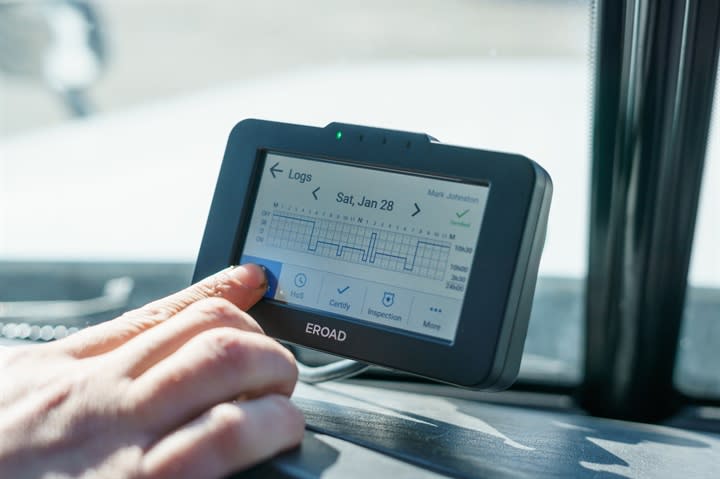
Photo via ERoad

With 2017 in the rear view mirror, we look back at the most popular feature articles of the past year on Truckinginfo.com.
1. 14 Things You Need to Know Before ELDs Become Mandatory
With paper logbooks being phased out in favor of electronic logging devices by the ELD Mandate, ELDs were the hottest topic of 2017. Fleets had a lot of questions about compliance, and this article hits on 14 of the most important points.
2. How Disruptive Will Uber Freight be for Trucking?
2017 was also the year that Silicon Valley made a big push into the trucking industry and the car ridesharing service Uber began offering its own freight-matching service for owner-operators and small fleets called Uber Freight.
3. No Tariffs, No Certainty for Truck Tires
When it comes to truck tires, fuel efficiency and cost-per-mile considerations remain priorities, but there are other trends driving the segment as well. But there’s another force at play in the current truck tire market, one some might have thought was settled. Tariffs — and even a lack of tariffs — are creating uncertainty.
4. What Owner-Operators and Small Fleets Need to Know about ELDs
The electronic logging device mandate is a different experience for many owner-operator and small-fleet operators than for their larger fleet counterparts.
5. ELD Certification: What Does it Really Mean?
If you see an announcement that an electronic logging device has been “FMCSA certified” to meet the new mandatory ELD regulations, you might assume that the FMCSA has performed some sort of testing to verify that that the ELD does in fact comply with those regulations. That assumption would be wrong.
6. 10 Things Drivers Do to Get Pulled Over
A longtime state patrol officer offers his real-world observations on the 10 most common reasons that truck drivers get pulled over.
7. The Big and Small of Last Mile Delivery
E-commerce is driving a last-mile delivery boom, with everyone from startup drone makers to big less-than-truckload operations getting in on the business. Part of our Trucking in the 21st Century series.
8. Old Dominion Dominates Data
When you have some 7,000 trucks on the road at any one time, things like winter storms that close Interstate highways have a ripple effect across the network. A high-tech command center helps Old Dominion Freight Line track freight, trucks, and drivers as they move across the country.
9. Is Your Fleet Ready for the New Food Transport Rules?
The deadline has passed to begin complying with the Food and Drug Administration’s new regulations on the safe transport of food. The regulations apply to vehicles, operations, driver training, and records. Is your fleet ready for the new rules?
10. How Truck Drivers Can Eat Healthy on the Road
Life on the road often makes it hard to eat the right foods, but healthy meals are possible if you have the drive.
More Fleet Management

How Innovative Trucking Leaders Turn Change Into an Advantage
As the pace of change accelerates in trucking, the fleets that adapt best have more than the latest technology. They have cultures that embrace improvement.
Read More →
Freight Broker Bonds Just Got Harder to Get. Here's What That Means for Your Fleet.
When it gets harder for a freight broker to prove they are financially sound, the ones who cannot clear that bar get pushed out of the market. And those are exactly the brokers who used to leave motor carriers holding the bag.
Read More →
Long-Awaited Canadian Border Bridge to Open in Detroit
For trucking, the bridge opening should offer immediate improvements in efficiency and reliability, with new customs facilities, expanded inspection capacity, and direct freeway-to-freeway connections.
Read More →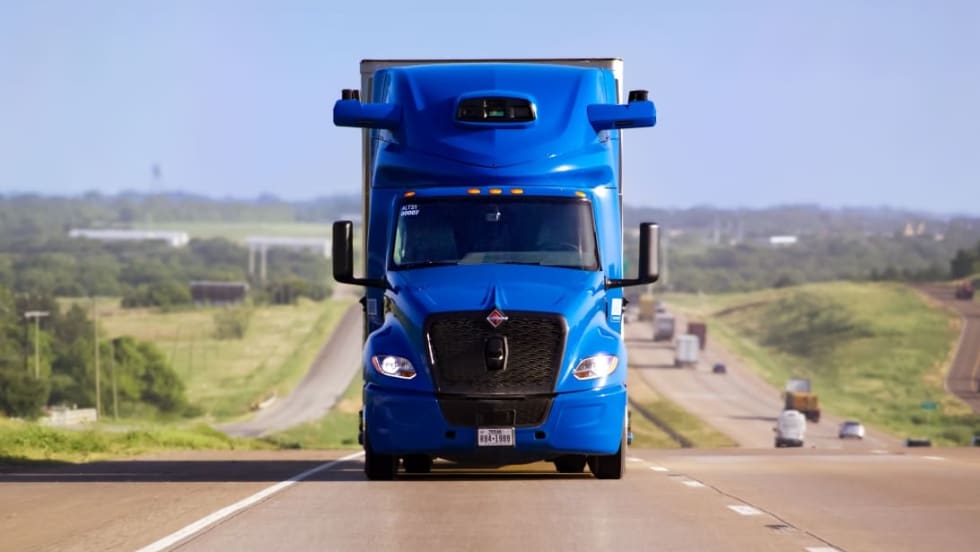
Aurora Rolls Out Next Generation of Driverless Trucks for Commercial Freight
Aurora's latest autonomous trucks it's rolling out with International feature lower-cost hardware designed for a million miles as the company expands commercial driverless freight operations across the U.S. Sun Belt.
Read More →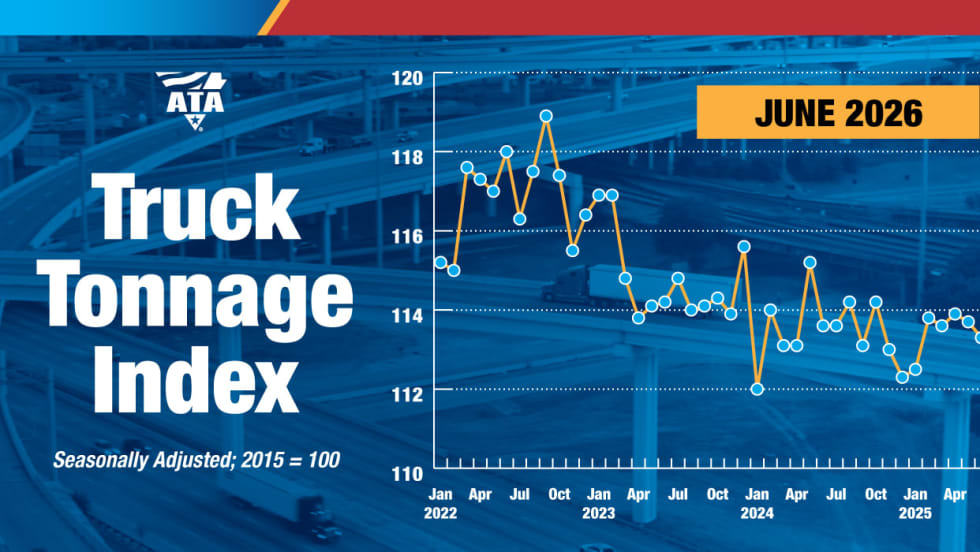
Freight Tonnage Down, Rates up, as Lower Capacity Powers Trucking Recovery
The recovery from the freight recession continues to be driven by reduction in capacity rather than by increased demand.
Read More →
Think Your Trucking Fleet Isn't Using Much AI? Think Again
Shadow AI — the use of unauthorized artificial intelligence tools at work — is becoming increasingly common, putting sensitive company data at risk. Learn how trucking fleets can protect sensitive data while embracing AI.
Read More →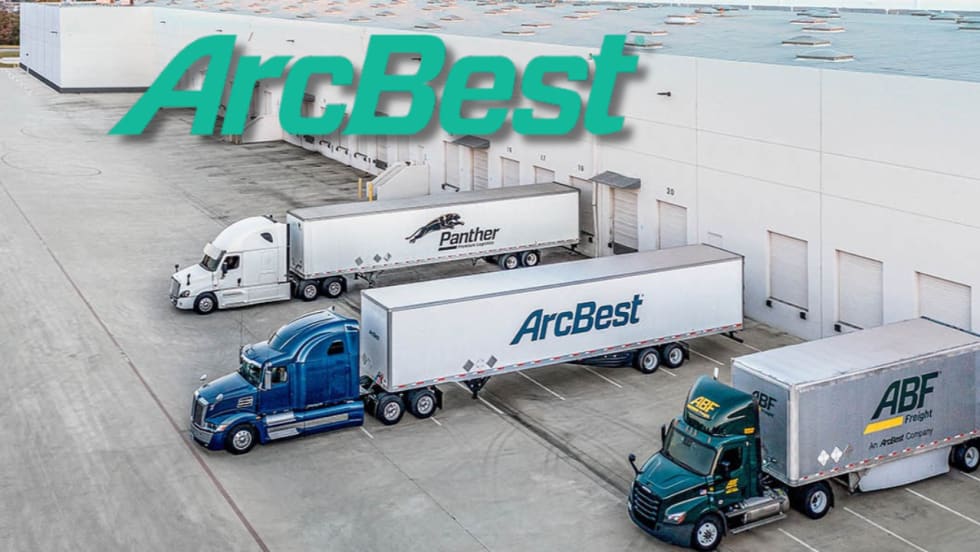
ArcBest Consolidates Brands, Cuts Workforce
The company will bring three business units under the ArcBest brand, eliminate about 2% of positions, and expects the changes to generate $40 million in annual savings.
Read More →
Trucking Fleets Faced Record Operating Costs During Third Year of Freight Recession
ATRI's annual operational cost report shows carriers trimmed fleets, delayed equipment purchases, and ran older trucks as expenses continued to outpace freight rates.
Read More →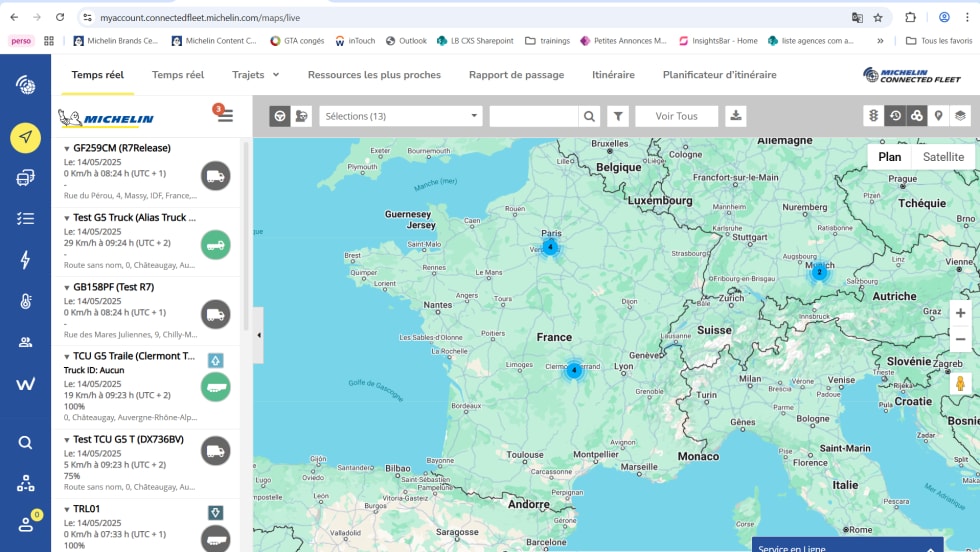
Michelin Adds AI Assistant to MyConnectedFleet Platform
Michelin’s new generative AI tool delivers instant fleet insights, helping managers analyze fuel use, tire maintenance, vehicle status, and operational performance without manually creating reports.
Read More →
LytxOne Platform Now Features AI, Compliance, and Asset Tracking Tools
New enhancements add AI-powered insights, asset tracking, compliance automation, and configurable privacy controls to Lytx's all-in-one fleet management platform.
Read More →