




Tire Report: Telematics and Tire Pressure Monitoring
You don't need me to tell you that maintaining correct tire inflation pressure across a fleet of trucks and trailers is a challenge of biblical proportion

You don't need me to tell you that maintaining correct tire inflation pressure across a fleet of trucks and trailers is a challenge of biblical proportions
. Even if road damage and punctures weren't an issue, a tire will lose a couple of pounds of pressure a month through osmosis. Pick up a nail or a bit of steel somewhere and a tire could drop to half its operating pressure in less than a day - if it's not completely ruined.
If your drivers aren't diligent in their trip inspections, a leaker may go unnoticed and could eventually become another of the thousands of chunks of rubber littering the Interstates.
If only that was all you had to worry about.
Soft tires play havoc with fuel economy, they are prone to irregular wear, miles-per-thousandth are reduced dramatically, and casing values suffer too. Then there are roadside service calls, outrageously expensive replacements, downtime, service failures, loss of customer confidence, unhappy drivers...
What would you pay to make all that go away? At the risk of oversimplifying the equation, tire pressure monitoring systems can relieve much of your tire-related stress - but only if you are informed and in a position to do something about it.
Real-time feedback on low-pressure events is a quantum leap from pleading with drivers to do real tire checks. But what good is all that information if it's provided only to the driver? Visual warnings such as blinking lights or wheel-mounted gauges are useful, provided your drivers are willing to take the next steps - airing up the tire and checking for the cause of the low-pressure warning - but what if they just won't take the next step?
Carl Tapp, vice president of maintenance at P.A.M. Transport of Tontitown, Ark., says he sees drivers split into two camps here. The prudent ones will stop and attempt to rectify the problem. Average drivers, however, will place tape over the warning light and keep going.
"I don't want to leave that decision up to the driver," Tapp says. "He has nothing in the tire, but he knows that stopping will cost him time and money, and maybe a missed appointment. I need to know that I have a tire issue so I can advise the driver how to proceed."
Get the Message Out
TPMS with telematic data transfer capability hands control of the situation over to dispatch and the maintenance department. Tapp says when alerted to a problem, he can locate a suitable repair facility en route, advise them that there will be a truck coming in, and instruct the driver to have the tire repaired.
"Sounds simple enough," Tapp says, "But there have been hurdles to jump over getting here."
P.A.M. worked with Pressure Systems International (which makes the Meritor Tire Inflation System by P.S.I.) and Qualcomm to establish the link, but it's still not quite where Tapp would like it.
"We can alert the driver and send him to a repair facility, but when he arrives, we have no idea which tire is running low because the PSI is keeping up the pressure," notes Tapp. "I want the inflation system working to save the tire, and the monitoring system telling us which tire is bad. We're still trying to get the inflation people talking to the monitoring people."
As these two technologies have evolved, it seems they've been on opposite sides of the building. Actually, getting data from the truck to the terminal isn't the challenge; the stumbling block has been creating a place for the data to land.
Phil Zaroor, CEO of Advantage PressurePro, says there is a lack of back-end software written for tire management systems. While that information can be transmitted, you can't do anything with it until the software applications are written.
"Of some 22 telematics providers we work with, only seven have written software applications to accept the tire pressure info and document it," he points out. "Those applications can provide useful tire management information, such as how often it was low, how often it needed to be filled, how well it performed, how long it held up, tire wear, tire problems, etc."
Bridging the Gap
TireStamp offers a product, TireVigil, designed to work with TPMS to get that information back to the fleet. TireStamps technology acts as a "bridge" between the tire sensor systems and telematic technologies.
"Turning on a light on the dash has some merit," the company says, "but we take that several steps further by ensuring that anyone in the fleet who needs to know about a vehicle with failing tire pressure is notified, even if they are away from their e-mail by sending the information directly to their cellular telephone or other handheld communication device." It also offers advanced reporting and analysis capabilities.
There are clear advantages to integrating tire pressure monitoring and inflation systems, and tying them both to a telematics platform that can deliver all that data and turn it into a useable and useful tool. It's beginning to happen, so ask your provider what's being done on that front.
Factor future expansion and growth into your buying decision - and don't forget to ask about backward compatibility. You don't want existing platforms rendered redundant by development on this front.
Take Control
When you consider everything associated with a tire or wheel-end failure, the potential costs are staggering. From lost driver productivity and utilization to the raw tire and repair costs, right up to the fines levied by some shippers for service failures, you have a pretty compelling case for staying on top of your tires and wheel-ends. I say wheel-ends here because of the potential built into some TPMS systems for out-of-normal temperature warnings (think brakes, bearings, etc.).
A simple red blinking light might not be enough to target the difficulty. On the other hand, a 5-psi pressure drop caused by a change in ambient temperature might be more than the driver needs to know about. The fleet, on the other hand, can filter and sort incoming data and advise the driver of what needs done. Pushing those decisions upstairs takes the responsibility off the drivers' shoulders, says Frank Sonzala, vice president of sales and marketing at Pressure Systems International. "It gives the fleet some leverage in choosing the right course of action."
Data transfer capability and tire management applications are with us now, to some degree, as are inflation and monitoring systems. What's been missing is integration, but that is beginning to happen. If fleets keep driving these problems back to the manufacturers, and they can figure out how to make a little money off the problem, it looks like tire management might actually become less onerous as we move forward.
Knowledge is Power...and Money
With many TPMS providers boasting 24/7 monitoring capability, and pressure reporting gradients down to 2 psi, what's a fleet to do with all that data?
Jesse Lopez, director of maintenance at TSI Equipment Inc. in Mesquite, Texas, flags out-of-parameter data for further attention. His fleet uses Stemco's AirBAT RF Driver Alert TPMS, which he describes as an idiot light for the driver. But the real value, he says, lies in the tire data that can be harvested from the uploads.
"The driver gets a blinking-light low-air-pressure warning at the wheel-end, but I get a report of how long the tire has been in service, its inflation and service history, and a report on the actions the driver or technician took when the truck returned to the shop," says Lopez. "The drivers and techs are really happy because we've all but eliminated the chore of checking tires, and I'm really happy because I've cut my roadside tire service costs way back."
There could be an even more compelling reason for fleets to demand tire data tracking, says Phil Zaroor, CEO of Advantage PressurePro.
"We could be looking at trading carbon credits in the near future, and if a fleet can pro
More Maintenance
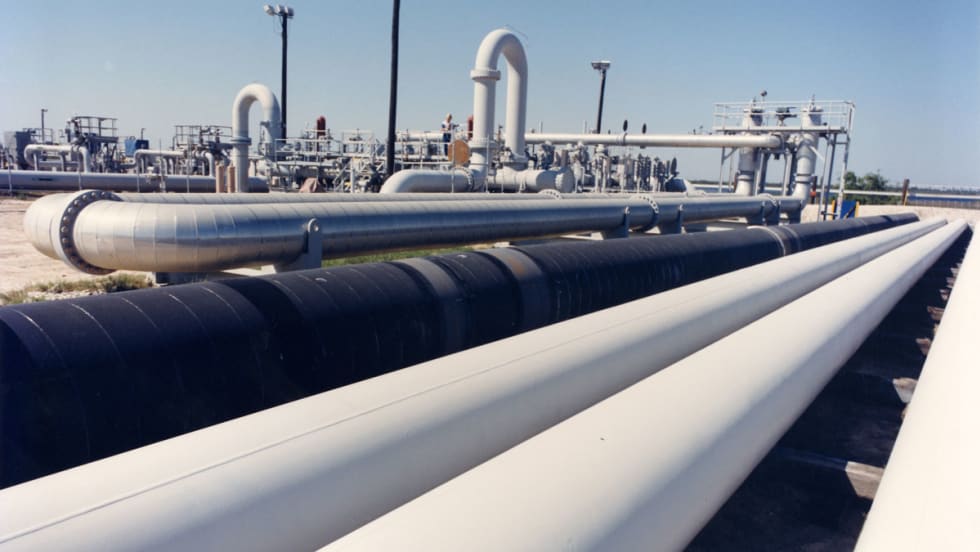
Oil Crisis Squeezes Trucking Lubricant Supplies
Fleets report higher lubricant costs as Middle East disruptions tighten supplies of ingredients used in synthetic engine oils and some driveline lubricants.
Read More →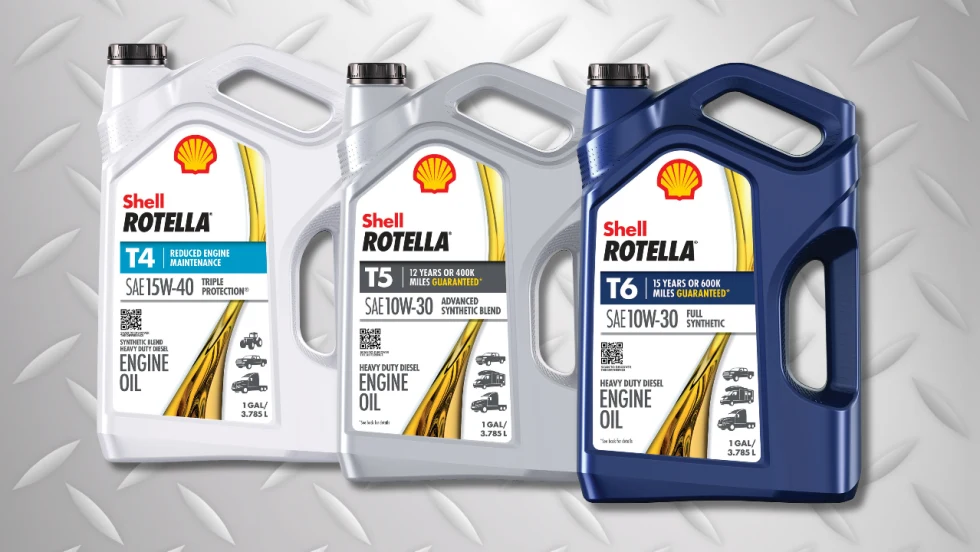
Shell Prepares Rotella Oils for 2027
New CL-4 and FB-4 formulations will begin arriving in early 2027, with improved protection against oil breakdown, wear and deposits, according to Shell.
Read More →
Mack Expands Extended Coverage With Four Chassis System Plans
Mack Trucks' new system-specific coverage options allow heavy-duty fleets to select protection for driveline, cab, HVAC, electronics, and advanced safety components.
Read More →
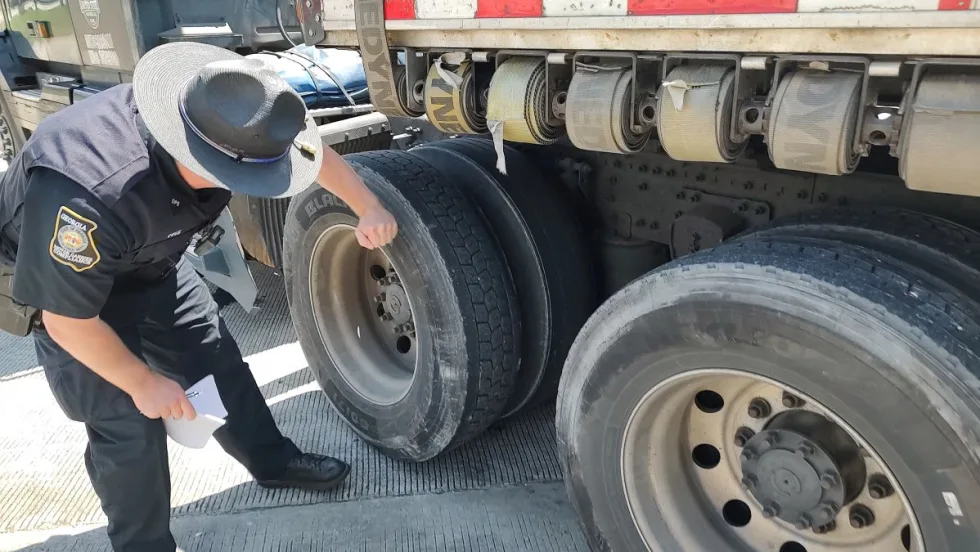
What an Out-of-Service Order Really Costs, and How to Plan for One
The repair invoice is the first number you see — and often one of the smallest. Here’s what else an out-of-service order can cost a fleet, and how planning can reduce the damage.
Read More →
International Launches Online Truck Parts Store
Fleetrite.com lets fleets and repair shops find OEM and all-makes parts, check prices and availability, and order without calling a parts counter.
Read More →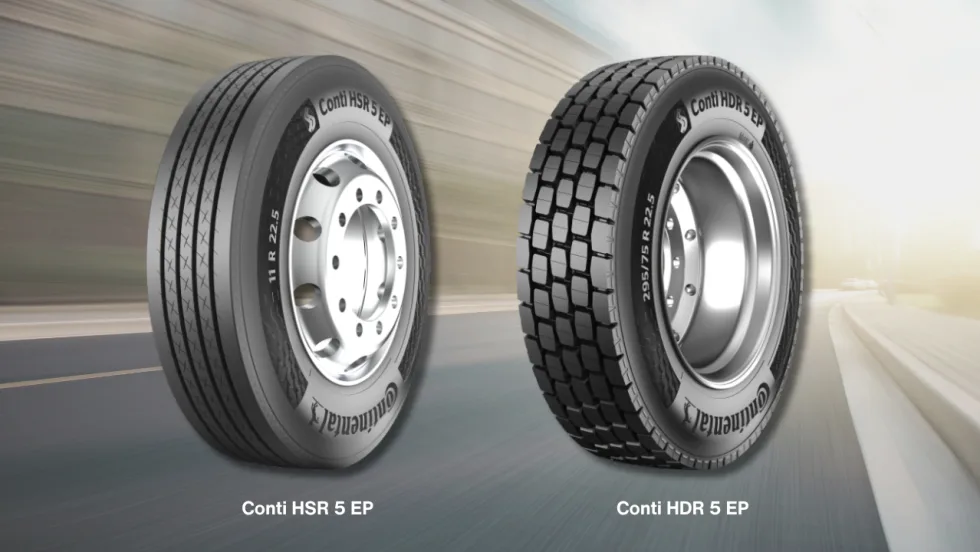
Continental Introduces New Regional Truck Tires
Continental says its new Generation 5 steer and drive tires for regional operations offer longer tread life, with estimated mileage gains of 22% and 19%, respectively.
Read More →
How AI Can Help Your Techs’ Efficiency
The technician shortage isn't going away, and no single fix can close the gap on its own. Trent Broberg makes the case that AI's real job in the shop is protecting the billable hours and job satisfaction of the techs you already have, not asking them to work faster.
Read More →
Color Match Smarter: Tools That Restore & Perform
For fleet managers and collision repair professionals keeping heavy-duty trucks on the road, getting the color right the first time isn't just about appearance — it's about efficiency, turnaround time, and bottom-line results. Discover how today's digital color tools are transforming the repair process from guesswork to precision.
Read More →
Wrong Repair Prompts Recall of Freightliner, Western Star 4x2 Trucks
DTNA is recalling more than 2,400 trucks that received an incompatible software fix instead of the hardware repair required to address brake valve corrosion.
Read More →
Truck Drivers Need More Than Another Alert
Fleets have more visibility into truck health, safety events, and driver activity than ever. The next challenge is turning all that information into useful guidance for the person who has to decide what to do next.
Read More →