




The Quest For Fuel Savings
In 2011, commercial trucks burned 37.2 billion gallons of diesel and 14.8 billion gallons of gasoline, according to the American Trucking Associations.

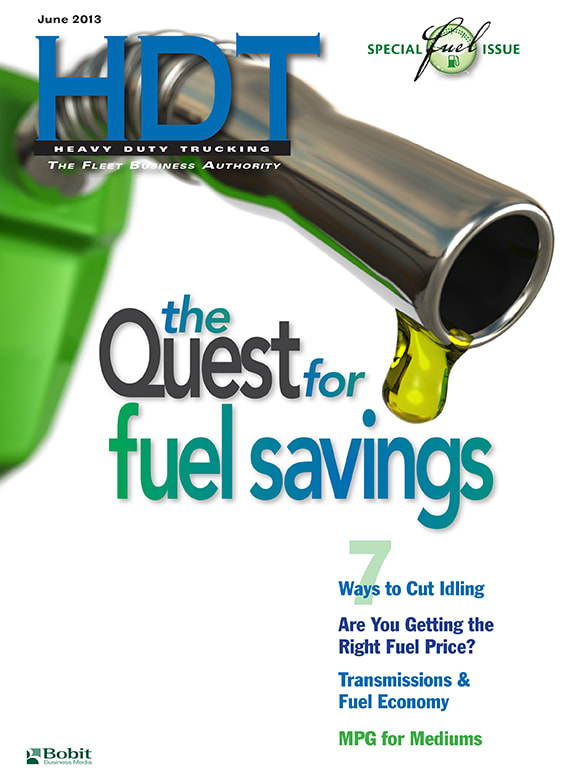
In 2011, commercial trucks burned 37.2 billion gallons of diesel and 14.8 billion gallons of gasoline, according to the American Trucking Associations.
Diesel fuel is often the second highest expense for motor carriers after labor and can be as much as 20% of total operating costs.
Are you doing everything you can to cut your portion of that fuel bill?
Soon, the first phase of new federal greenhouse gas standards requiring improvements in fuel economy in new trucks will go into effect. Truck and engine makers are looking to technologies such as variable-speed vans, electric-drive turbos, high-performance DPFs, air injection boosting, clutched air compressors, waste heat collection and more to meet upcoming standards.
But smart fleets aren’t waiting for the newest generation of fuel-efficient trucks to roll off the line. They’re already using many strategies to save fuel.
On top of buying more aerodynamic and fuel-efficient trucks, they are investing in trailer aero add-ons and idle-reduction technologies, switching to fuel-efficient tires, “downspeeding” engine revs, limiting top speeds on trucks, using sophisticated analytics to track fuel use and incentivizing drivers and more.
In our annual fuel issue, we’ll take a closer look at some of the strategies you can use to save on your fuel bill. Because if you don’t, you can bet that your competitors will.
The Special Fuel Issue articles:
More Fuel Smarts

California Bill Could Shed Light on Electric Truck Prices
Why do battery-electric Class 8 trucks remain so expensive? A California bill headed to Gov. Gavin Newsom would give fleets and state agencies more visibility into what manufacturers charge.
Read More →
Detroit Opens Orders for EPA 2027 Engines
Detroit isn’t starting from scratch to meet EPA 2027 diesel emissions standards. Its Gen 6 DD13 and DD15 engines keep much of today’s platform while updating the fuel and aftertreatment systems.
Read More →
Zero-Emission Truck Corridor Planned for West Coast
California, Oregon, Washington, British Columbia and Baja California are coordinating plans for truck charging and hydrogen fueling from Canada to Mexico.
Read More →
A Closer Look at Kenworth’s Electric T880E Vocational Truck [Video]
Learn more about Kenworth's T880E battery-electric vocational truck at the Paccar Technical Center, including its range, applications, upfitting considerations, and PTO options, in this HDT Spotlight video.
Read More →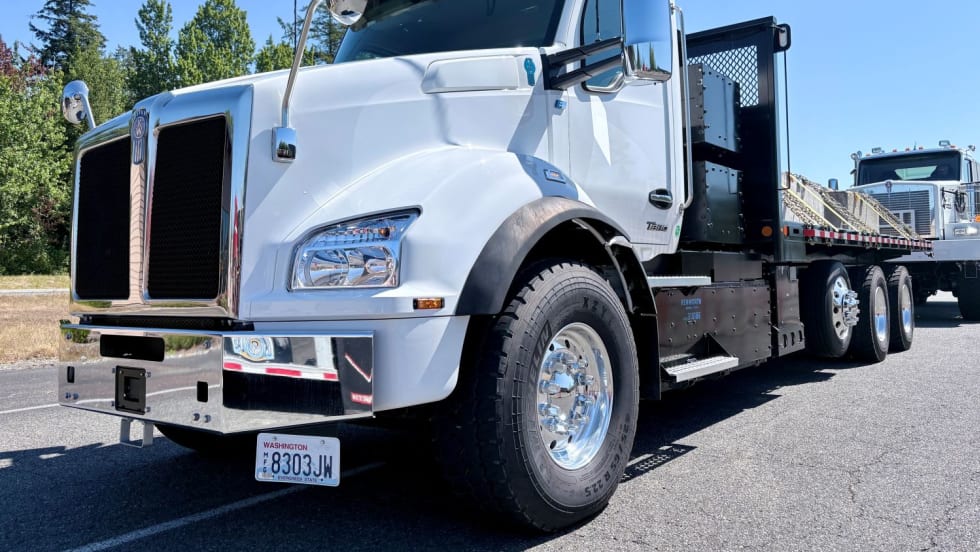
Kenworth T880E Brings EV Power to Vocational Trucks
A closer look at the Kenworth T880E’s range, charging, powertrain and upfit options — and where fleets are showing the most interest.
Read More →
Jennie Abarca Is Proving Electric Trucks Can Do the Job
HDT Truck Fleet Innovator Jennie Abarca is building confidence in fleet electrification one load at a time while openly sharing the challenges she encounters along the way as a small-fleet owner.
Read More →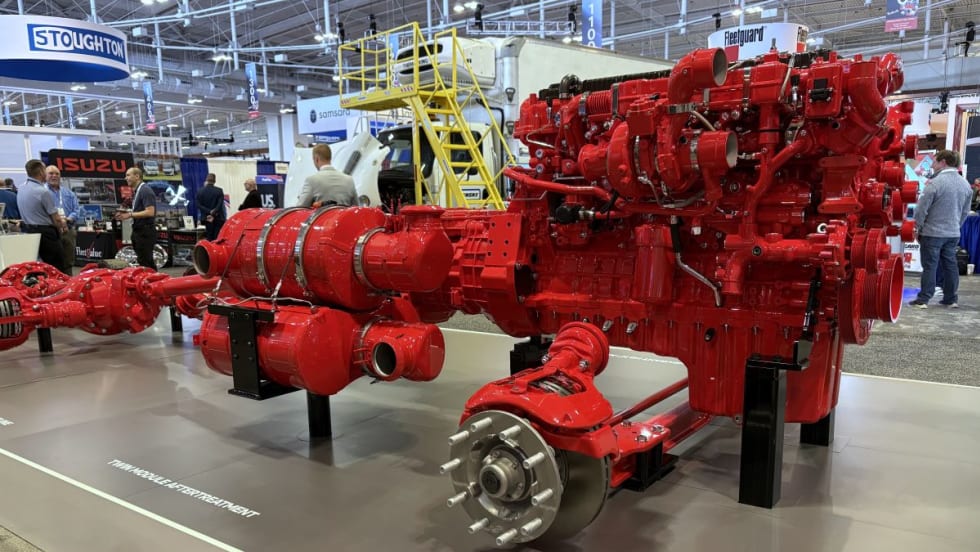
Cummins Adjusts 2027 Engine Rollout After EPA Proposal
The engine maker will gradually introduce its new Model Year 2027 diesel engines while continuing to offer current models during the transition, citing the EPA's proposed emissions rule changes.
Read More →
EPA Proposal Could Ease 2027 Truck Costs and Buying Uncertainty
The proposal doesn't change the tougher NOx standard, but it would revise key implementation requirements that manufacturers say have driven up costs and complicated fleet purchasing decisions.
Read More →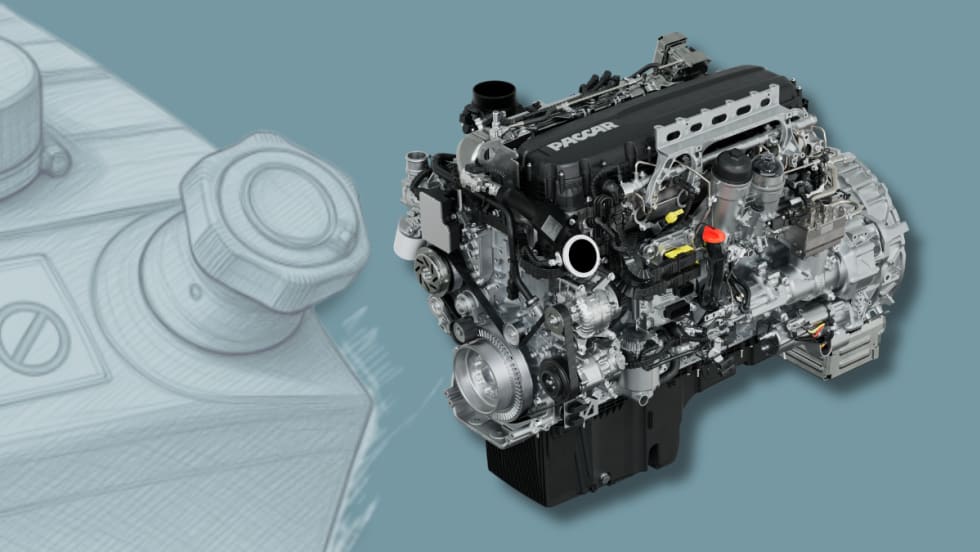
Cummins, Paccar Ease DEF Derates After EPA Guidance
Updated diesel engine software gives truck operators more time to address emissions-system issues while staying compliant with EPA emissions standards.
Read More →
Maintenance in the Messy Middle Part 3: Biodiesel
Biodiesel can reduce emissions, improve fuel-system lubricity and use existing diesel infrastructure. But NACFE’s Messy Middle maintenance report says fleets must actively manage storage, cold-weather operation, filters and oil drain intervals to avoid problems.
Read More →