




Taking the Internet On-Board
Fleets are beginning to tap the Internet's power; wireless product/service choices are broader than ever.
Consider the following list of mobile communications technologies. Most are probably familiar: onboard computers, linked to truckload fleet mainframes; cellular phones (including digital cellular); paging devices (1- and 2-way); and 2-way radio (digitally enhanced).
Now consider that every single one of those technologies is being linked to the Internet, the global interconnection of all computer networks.
Throw into the mix all the Internet-based communications, such as e-mail, Usenet newsgroups, and Web-based forums and live chat, and what do you have? Not chaos, as you might expect, but something near to it.
The good news is that out of this soup of electrons arises not a monster, but the benevolent face of opportunity. Getting data simply, cheaply, reliably and instantly from a far-flung work force is still of huge competitive value for truck fleet operators willing to re-think their operations.
Take a look at these examples:
• EDI — CF claims it is the first motor carrier to send EDI (electronic document interchange) data via the Internet. EDI is the paperless exchange of business documents by computer. Normally EDI involves direct computer-to-computer linkup with the shipper, or connection through a third-party network. By using a full-time Internet connection instead of the customary batch transfer by private line, CF saves communication costs and cuts down on delays, a double benefit.
• Paging — You can now send messages to a pager with any PC. One example of the category of software that makes this possible is ConnectSoft Inc.'s E-Mail Connection 3.0, a Windows-based e-mail management program that sends messages to pagers using the SkyTel Network.
• Ram Mobile Data's new Ramfirst service will offer more services than ordinary two-way paging, so the company calls it interactive paging. It too offers access to databases and e-mail across the Internet. Ramfirst customers will use the Interactive pager from Research in Motion, which is said to have a full keyboard despite being palm-sized.
• E-mail from the cab — Qualcomm-equipped truckers can now send e-mail messages to the Internet from their in-cab OmniTracs terminals. The trucking company must first obtain the software to do this, and right now it's available only for the IBM AS/400. Called CabCard Personal Communications, the system lets you charge both e-mail messages and telephone calls to a single prepaid phone card. E-mail messaging with this system should save you a bundle in calls home, as well as a lot of fumbling at truckstop diners looking for a telephone jack for the laptop.
• Internet from a cellular phone — AT&T's first-generation Internet-connected phone, the PocketNet, can send and receive e-mail, as well as other information. It is connected to the Internet, though at low speed, and with only a small text display. It's good for things like retrieving price lists, checking inventory, and getting directions. Since it's digital (CDPD, for cellular digital packet data), coverage is spotty (33% of the U.S. population vs. 97% for analog cellular). And at this point not all CDPD network service providers have added the software to make it work.
• Onboard computers — A company called Fleet.Net Inc., which recently acquired a license to use the IBM RoadRider onboard computer, connects onboards to fleet headquarters using a cellular radio link to the Internet. The service is called ITP/Fleet.Net Smart Traveler Services.
More Fleet Management

How Innovative Trucking Leaders Turn Change Into an Advantage
As the pace of change accelerates in trucking, the fleets that adapt best have more than the latest technology. They have cultures that embrace improvement.
Read More →
Freight Broker Bonds Just Got Harder to Get. Here's What That Means for Your Fleet.
When it gets harder for a freight broker to prove they are financially sound, the ones who cannot clear that bar get pushed out of the market. And those are exactly the brokers who used to leave motor carriers holding the bag.
Read More →
Long-Awaited Canadian Border Bridge to Open in Detroit
For trucking, the bridge opening should offer immediate improvements in efficiency and reliability, with new customs facilities, expanded inspection capacity, and direct freeway-to-freeway connections.
Read More →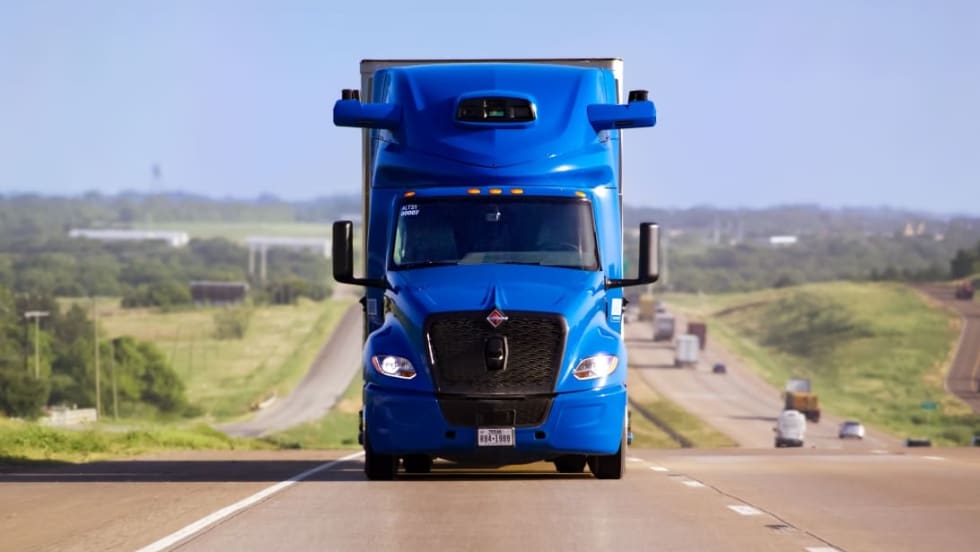
Aurora Rolls Out Next Generation of Driverless Trucks for Commercial Freight
Aurora's latest autonomous trucks it's rolling out with International feature lower-cost hardware designed for a million miles as the company expands commercial driverless freight operations across the U.S. Sun Belt.
Read More →
Freight Tonnage Down, Rates up, as Lower Capacity Powers Trucking Recovery
The recovery from the freight recession continues to be driven by reduction in capacity rather than by increased demand.
Read More →
Think Your Trucking Fleet Isn't Using Much AI? Think Again
Shadow AI — the use of unauthorized artificial intelligence tools at work — is becoming increasingly common, putting sensitive company data at risk. Learn how trucking fleets can protect sensitive data while embracing AI.
Read More →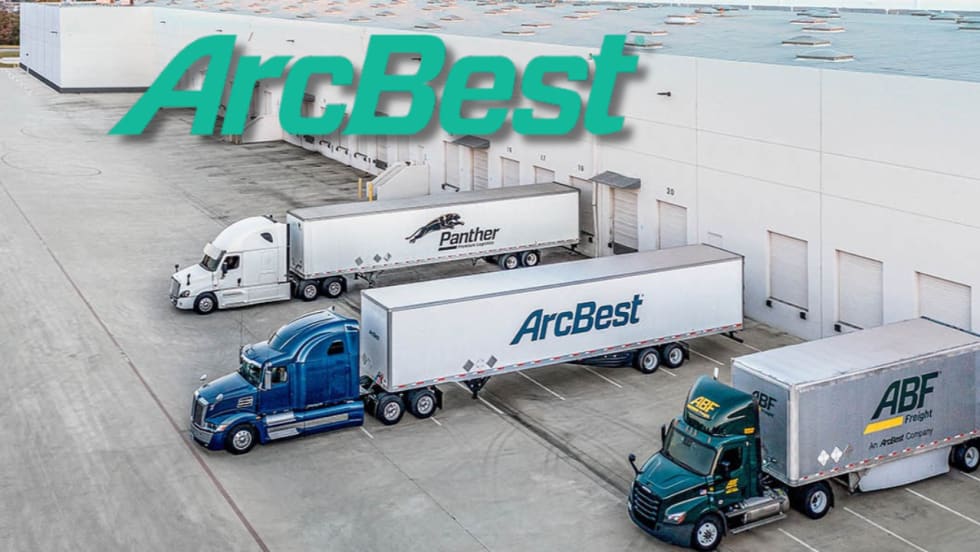
ArcBest Consolidates Brands, Cuts Workforce
The company will bring three business units under the ArcBest brand, eliminate about 2% of positions, and expects the changes to generate $40 million in annual savings.
Read More →
Trucking Fleets Faced Record Operating Costs During Third Year of Freight Recession
ATRI's annual operational cost report shows carriers trimmed fleets, delayed equipment purchases, and ran older trucks as expenses continued to outpace freight rates.
Read More →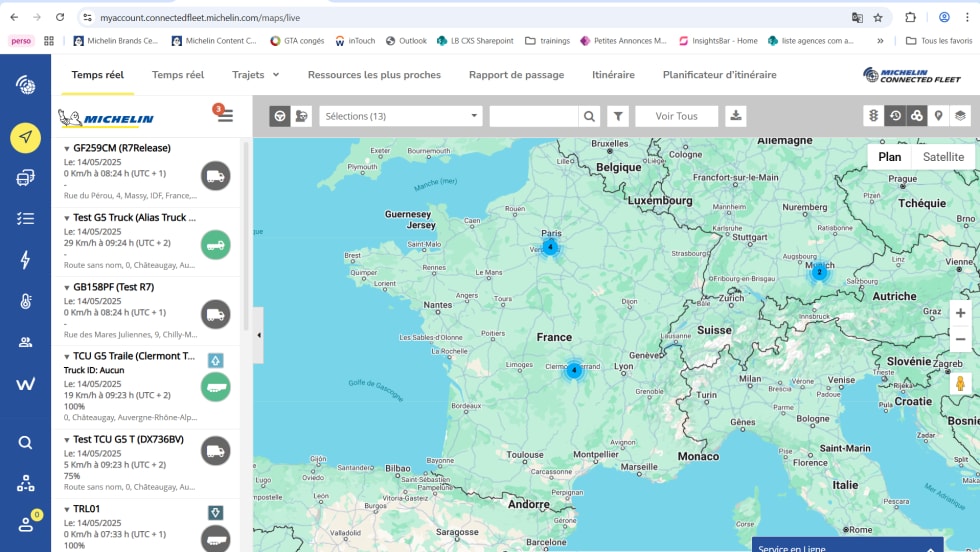
Michelin Adds AI Assistant to MyConnectedFleet Platform
Michelin’s new generative AI tool delivers instant fleet insights, helping managers analyze fuel use, tire maintenance, vehicle status, and operational performance without manually creating reports.
Read More →
LytxOne Platform Now Features AI, Compliance, and Asset Tracking Tools
New enhancements add AI-powered insights, asset tracking, compliance automation, and configurable privacy controls to Lytx's all-in-one fleet management platform.
Read More →