




Regular Tire Pressure Checks are Worthwhile
Weekly tire pressure checks might seem unrealistically ambitious, but given what's at stake in terms of tread wear and tire life, it's a worthwhile goal. Regular tire inspections should, obviously, include pressure checks

Weekly tire pressure checks might seem unrealistically ambitious, but given what's at stake in terms of tread wear and tire life, it's a worthwhile goal. Regular tire inspections should, obviously, include pressure checks.
The more frequently you do them, the better the chances of saving a slow leaker.
Tire life decreases exponentially with underinflation. According to TMC's RP 235A - Tire Inflation Pressure Maintenance, running a tire 20% underinflated shortens its life by about 12%. Running a tire 30% underinflated lops about 30% off its expected service life. It only gets worse as pressure drops.
TMC's RP 235A recommends using a high-quality tire gauge, calibrated regularly from a master gauge to ensure accuracy. As for the actual operating inflation pressure, users should consult the Load and Inflation tables relating to particular tire sizes and anticipated loads. Interestingly, a typical 22.5-inch low-profile tire run in dual configuration is considered properly inflated for the load carried on a 34,000-pound tandem grouping at only 75 psi. That same tire in a steer position requires 110 psi for the 12,000-pound load on a steer axle.
Overinflating tires in dual positions to 95 or 100 psi is acceptable, and it provides a margin of error for underinflation if pressure checks are not conducted regularly.
The biggest risk in dual tires is inconsistency. RP 235A notes that a pressure differential of just five psi across the tires in a dual set creates a difference in circumference between the tires of up to 5/16 of an inch, and that difference in circumference increases with a wider pressure differential. Two tires of different circumference will not cover the same distance over a given number of rotations, but because the wheels are bolted together, the tires will scrub along the road, causing rapid and irregular wear.
From the March 2012 issue of HDT
More Maintenance

6 Tips for Troubleshooting Cold-Weather Truck Problem: Don't Guess, Diagnose it
Cold weather can expose hidden truck problems. Discover six practical troubleshooting tips to pinpoint the cause, avoid unnecessary repairs and keep trucks on the road.
Read More →
How GP Transco Builds Fuel Savings a Fraction at a Time
Aerodynamic specs, solar panels, and driver incentives help GP Transco turn small efficiency gains into savings it can reinvest in its people.
Read More →
Oil Crisis Squeezes Trucking Lubricant Supplies
Fleets report higher lubricant costs as Middle East disruptions tighten supplies of ingredients used in synthetic engine oils and some driveline lubricants.
Read More →
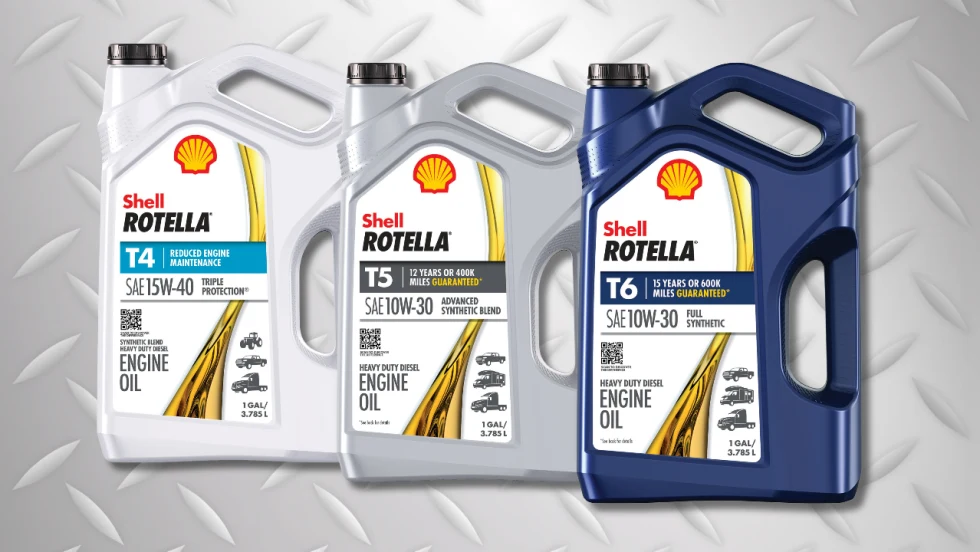
Shell Prepares Rotella Oils for 2027
New CL-4 and FB-4 formulations will begin arriving in early 2027, with improved protection against oil breakdown, wear and deposits, according to Shell.
Read More →
Mack Expands Extended Coverage With Four Chassis System Plans
Mack Trucks' new system-specific coverage options allow heavy-duty fleets to select protection for driveline, cab, HVAC, electronics, and advanced safety components.
Read More →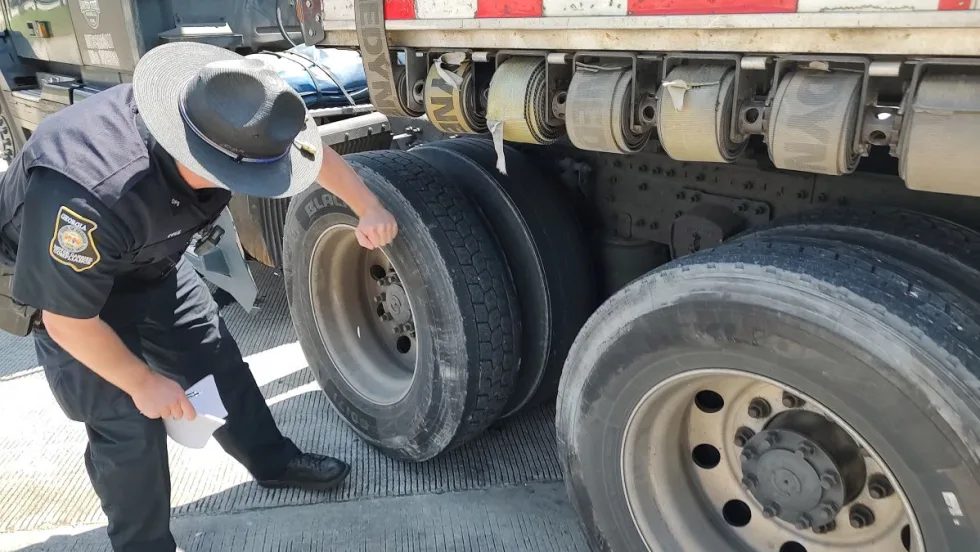
What an Out-of-Service Order Really Costs, and How to Plan for One
The repair invoice is the first number you see — and often one of the smallest. Here’s what else an out-of-service order can cost a fleet, and how planning can reduce the damage.
Read More →
International Launches Online Truck Parts Store
Fleetrite.com lets fleets and repair shops find OEM and all-makes parts, check prices and availability, and order without calling a parts counter.
Read More →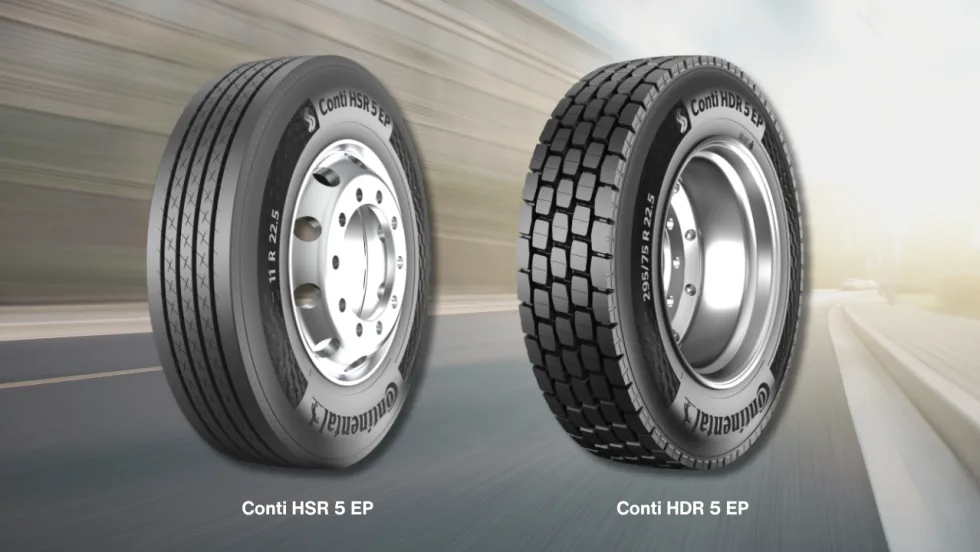
Continental Introduces New Regional Truck Tires
Continental says its new Generation 5 steer and drive tires for regional operations offer longer tread life, with estimated mileage gains of 22% and 19%, respectively.
Read More →
Color Match Smarter: Tools That Restore & Perform
For fleet managers and collision repair professionals keeping heavy-duty trucks on the road, getting the color right the first time isn't just about appearance — it's about efficiency, turnaround time, and bottom-line results. Discover how today's digital color tools are transforming the repair process from guesswork to precision.
Read More →
Wrong Repair Prompts Recall of Freightliner, Western Star 4x2 Trucks
DTNA is recalling more than 2,400 trucks that received an incompatible software fix instead of the hardware repair required to address brake valve corrosion.
Read More →