




Q&A: Navistar's Gosbee on When to Expect Electric Trucks
HDT recently spoke with Darren Gosbee, Navistar’s vice president of powertrains and advanced technology, to get his take on how and when medium- to heavy-duty electric trucks will come to market in North America.


Darren Gosbee, Navistar’s vice president of powertrains and advanced technology.
Photo courtesy Navistar
HDT recently spoke with Darren Gosbee, Navistar’s vice president of powertrains and advanced technology, to get his take on how and when medium- to heavy-duty electric trucks will come to market in North America.
HDT: You have over 20 years of experience in vehicle and powertrain engineering, including on the global level, and are now engaged in developing commercial electric vehicles What’s the outlook for the marketplace here?
Darren Gosbee: When people think of electric trucks, it’s the disruptors in our industry that might come first to mind. Tesla is a good example of that. They’re not just coming out with a propulsion system, but a vehicle solution. But the major truck makers here have not answered yet, in the sense of a major market presence. When Navistar and the others [OEMs] do, they will produce different [electric truck] designs for specific tasks. Trucking represents tens of thousands of very different vehicles for specific tasks. Navistar is partnered with Volkswagen Truck & Bus [now Traton Group] to bring electric trucks to the U.S. Their commercial truck brands have already put electric medium-duty models on the road in Europe. As we announced last year, Navistar expects to launch its first medium-duty electric vehicle here in late 2019 or early 2020.
HDT:What are key differences between the electric disruptors, some of which have been showing off prototype trucks, and that of the established truck builders?
Gosbee: Tesla, for example, is showing a very specific solution— a long-haul tractor. But the business case [for producing it] is not there now in that segment. We’re looking at medium-duty commercial vehicles. It’s a segment where the business case can make sense, because you get the production scale to leverage the technology. Also, the production of any commercial vehicle requires a very unique facility. You can’t use the same equipment to build a truck as a car. And you need the ability to assemble types of trucks in large volumes. To have a production line requires a huge investment. Consider also that Navistar, Freightliner, and the Paccar brands compete against each other here in the medium- and heavy-duty markets, whereas Tesla and other disruptors may compete in a narrow niche.
HDT:Can you elaborate on why the medium-duty market is so primed for electrification?
Gosbee: The engine is a complex and heavy part of a truck. In a Class 8, it has to pull heavy weight and last for 1,000,000 miles. It also runs longer and over less predictable routes. And a national charging infrastructure is lacking. All that considered, a long-haul truck is now the toughest application for electrification. We’re not ruling out Class 8. As battery technology continues to improve, long-haul electric trucks may play a bigger role within the next five to ten years.
But currently, medium duty— Class 6-7— represents the best business case for electric for our customers and the industry as a whole. Medium-duty trucks haul or carry predictable weights over predictable routes. They typically make shorter trips and return to the same distribution center at the end of the day, where you can optimize the charging infrastructure locally. In addition, with fewer moving parts, electric trucks will likely require less maintenance and they’ll make city operation cleaner and quieter for medium-duty operators. In addition, EVs have zero carbon impact and that’s important to help meet GHG rules.
HDT:But what will speak most directly to medium-duty fleets about electric trucks?
Gosbee: What will make fleets stand up and look at commercial EVs will be the initial capital outlay required and the total cost of ownership. TCO will be positively affected by lower maintenance costs and lower cost of fuel and [charging] infrastructure. With electric power, there are no oil changes and less wear is put on the brake system and other components. You do need to plug in the truck, of course, so you need to be clear about what range of operation you need for your duty cycle. Charging comes down to how long do you have to charge the vehicle? Could it be as long as 24 hours? So, there may be no need to invest more in a facility that will charge it in just 15 minutes, which would require a huge investment.
HDT: What are you hearing about electric trucks from medium-duty customers?
Gosbee: Fleet feedback we’re getting suggests they are not happy with the idea of dealing with disruptors or with third-party [propulsion] integrators to get electric trucks. They want the traditional OEMs to step in. They want the parts and service support they are used to, at the local or regional level. We also expect that with the conservative nature of the industry toward technology, we will start with small [production] numbers. And as fleets gain more confidence in EVs, “range anxiety” will decline. Before we roll them out, we will do pilots with specific fleets as part of our final evaluations. That’s what gives us real-world information before we actually go to market with a new vehicle.
Related: The Power of Technology to Transform Trucking Fleets
More Fuel Smarts
Cummins Adjusts 2027 Engine Rollout After EPA Proposal
The engine maker will gradually introduce its new Model Year 2027 diesel engines while continuing to offer current models during the transition, citing the EPA's proposed emissions rule changes.
Read More →
EPA Proposal Could Ease 2027 Truck Costs and Buying Uncertainty
The proposal doesn't change the tougher NOx standard, but it would revise key implementation requirements that manufacturers say have driven up costs and complicated fleet purchasing decisions.
Read More →
Cummins, Paccar Ease DEF Derates After EPA Guidance
Updated diesel engine software gives truck operators more time to address emissions-system issues while staying compliant with EPA emissions standards.
Read More →
Maintenance in the Messy Middle Part 3: Biodiesel
Biodiesel can reduce emissions, improve fuel-system lubricity and use existing diesel infrastructure. But NACFE’s Messy Middle maintenance report says fleets must actively manage storage, cold-weather operation, filters and oil drain intervals to avoid problems.
Read More →
Enhance Fleet Performance with High-Efficiency Auxiliary Power Units
Drive sustainable cost savings while increasing driver comfort during short- and long-haul logistics operations.
Read More →
Maintenance in the ‘Messy Middle’ Part 2: Renewable Diesel Fuel
NACFE's latest Messy Middle Powertrain Service & Maintenance report says renewable diesel gives fleets an opportunity to reduce carbon emissions without changing trucks, fueling infrastructure or maintenance practices. But technicians still need to understand several important operational differences.
Read More →
The Diesel Engine Enters NACFE’s ‘Messy Middle’
NACFE’s new Messy Middle Powertrain Service & Maintenance report says keeping modern diesel engines running now depends as much on software, diagnostics and data as traditional mechanical service.
Read More →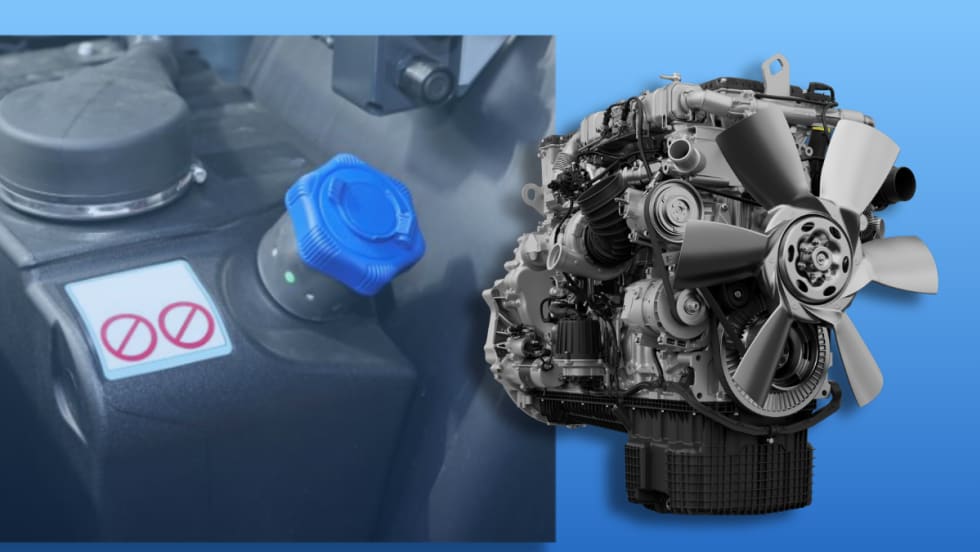
DTNA Software Update Gives Truckers More Time Before DEF Derates Take Effect
The changes reflect EPA guidance aimed at reducing downtime caused by emissions-system faults while maintaining compliance requirements.
Read More →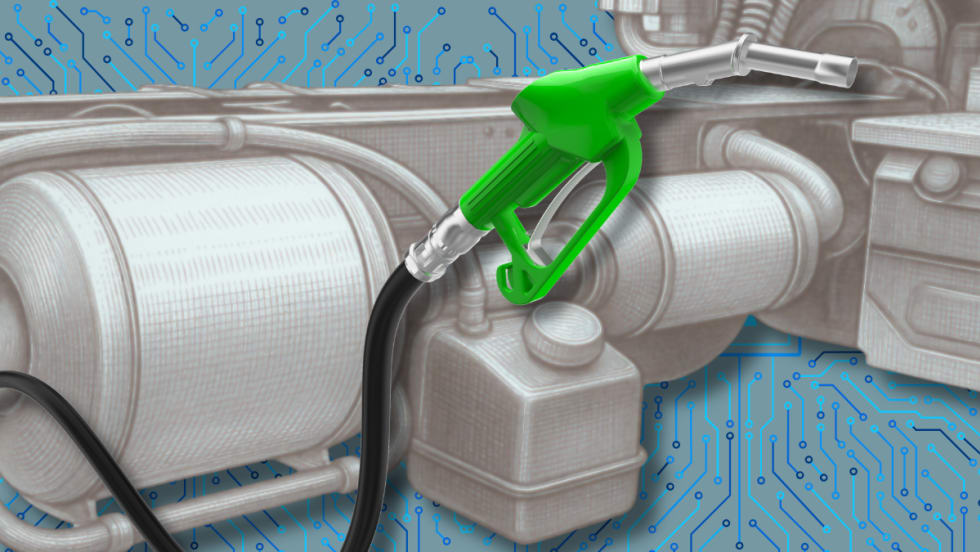
New Agentic Predictive Maintenance Report Demonstrates How Degraded Aftertreatment Systems Waste Fuel
Questar analyzed a large mixed-class fleet and discovered it was wasting as much as $30 in fuel per vehicle, per day, because of mechanically degraded aftertreatment systems.
Read More →
New York City's Microhub Project is Delivering Results
Trucking, last-mile delivery companies, and environmental advocates like what they are seeing so far with New York's microhub program.
Read More →