




New Oils For '07 Engines
'07 diesels are almost here. Is your fleet going to stock two oil specs – one for older engines?
In another month or so, we'll start seeing the first of the '07 diesel engines, those requiring the new ultra low-sulfur diesel fuels. Along with them will be a recommendation for a new family of engine oils, the so-called low-ash oils, formulated to be compatible with the new EPA low-emission regs.
A new heavy-duty diesel oil performance category, API CJ-4, is specifically formulated to be compatible with the needs of diesel particulate filters – or exhaust traps – which the engines will have. The issue here is how much sulfated ash the oils can contain, because traces of burned engine oil in the exhaust can contaminate the DPF and cause plugging.
All the major diesel engine oil marketers will be offering a CJ-4 spec lubricant, which you'll be buying if you acquire '07-model diesel-powered vehicles. These new oils undoubtedly will be priced higher due to the new, more expensive oil chemistry, especially higher-cost oxidation inhibitors.
Lube oil guru John Martin gave me several perspectives that fleets should consider in deciding what to do for '07. John is a recently retired engineer from Lubrizol Corp., a supplier of many additives to oil blenders and marketers. He also has been a member of the American Trucking Associations' Technology and Maintenance Council and a contributor to many of the council's Recommended Practices on lubrication.
Martin explains that the limit placed on the sulfated ash levels is a concern because higher ash is tied to higher oil detergency. This gives a higher TBN (total base number), which is important in providing protection levels against corrosive engine wear. High-quality diesel engine oils are high in detergents and have high TBN numbers.
Martin says the new CJ-4 oils will have lower detergent content than CH or CI oils. Traditionally, there's been a strong correlation between high TBN oils and oil drain intervals, especially extended drains. The new ULSD fuel will help because it will contribute lower sulfur levels in engines and exhausts.
So, what's a fleet manager to do when '07 engines arrive and with them, CJ-4 lubricants? The safest bet is to keep CH or CI-4 oils for use in older engine models. Chances are, they're cheaper, too. Stock CJ-4 oil strictly for the '07s.
But most fleet managers I've talked to don't want to deal with multiple oil specs. They're also uncomfortable with the risk that a technician will put in the wrong oil.
So, you buy a handful of '07 model trucks. What happens if you use the high-TBN CH or CI-4 oils in them? After all, they'll be such a small percent of the overall fleet, can't they just "live" with older oils? That's an option to consider, but the trade-off could be shorter DPF life.
Ultimately, it boils down to what oil change requirements will be on the '07 engines versus what you're doing today, and whether you're willing to change that drain interval. The choice of going to CJ-4 oils or not might come down to the cost of the oil versus the costs of changing your oil drain and PM service interval.
Martin says there might be another consideration: Switch to the CJ-4 oils at some point in all your vehicles, then replenish spent oil additives in the pre-'07 vehicles based on what oil analysis shows. This might be done by adding liquid supplements or by using oil filters that contain slow-release additives.
It all comes down to economics and what works best for your fleet. But now is definitely the time to start thinking about the '07 engines and how you plan to deal with their different oil requirements. Get your lubrication suppliers in the loop early, too.
More Fleet Management

How Innovative Trucking Leaders Turn Change Into an Advantage
As the pace of change accelerates in trucking, the fleets that adapt best have more than the latest technology. They have cultures that embrace improvement.
Read More →
Freight Broker Bonds Just Got Harder to Get. Here's What That Means for Your Fleet.
When it gets harder for a freight broker to prove they are financially sound, the ones who cannot clear that bar get pushed out of the market. And those are exactly the brokers who used to leave motor carriers holding the bag.
Read More →
Long-Awaited Canadian Border Bridge to Open in Detroit
For trucking, the bridge opening should offer immediate improvements in efficiency and reliability, with new customs facilities, expanded inspection capacity, and direct freeway-to-freeway connections.
Read More →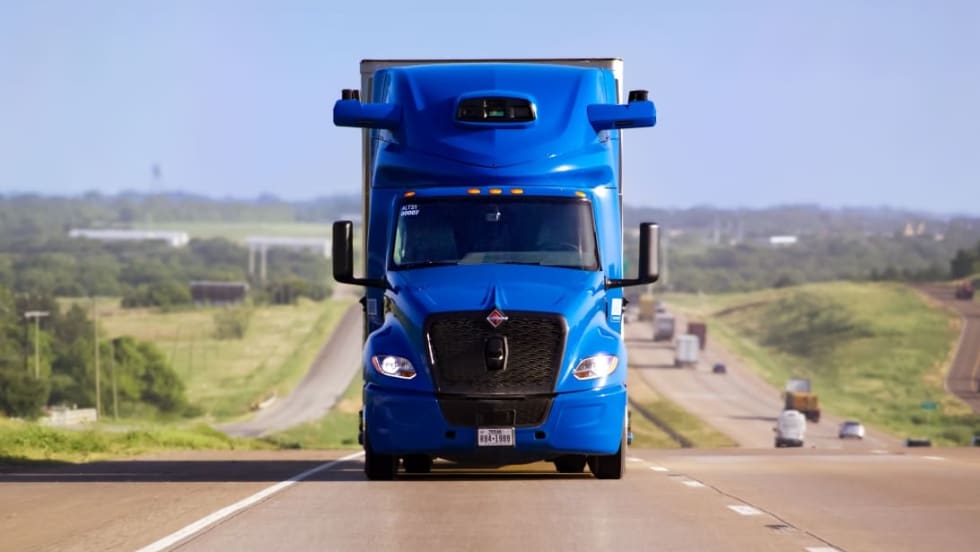
Aurora Rolls Out Next Generation of Driverless Trucks for Commercial Freight
Aurora's latest autonomous trucks it's rolling out with International feature lower-cost hardware designed for a million miles as the company expands commercial driverless freight operations across the U.S. Sun Belt.
Read More →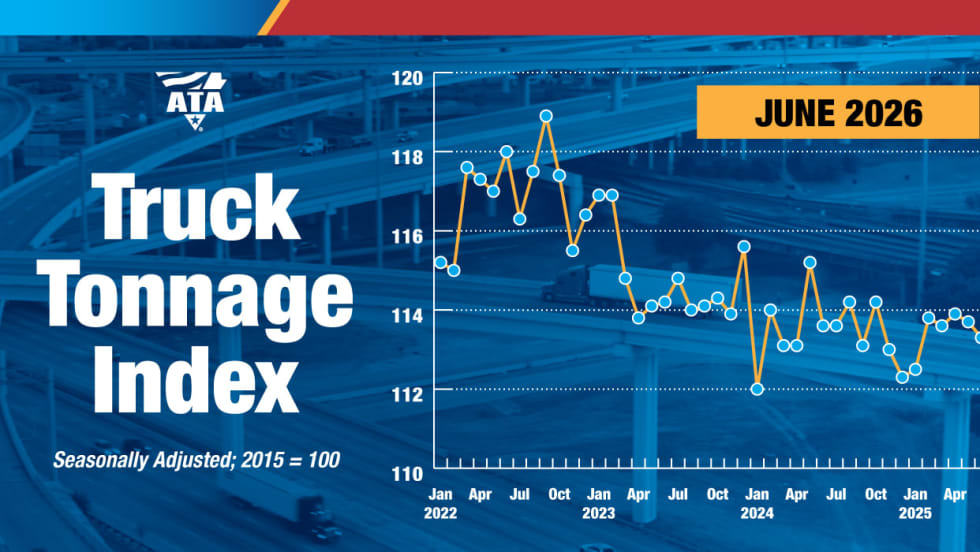
Freight Tonnage Down, Rates up, as Lower Capacity Powers Trucking Recovery
The recovery from the freight recession continues to be driven by reduction in capacity rather than by increased demand.
Read More →
Think Your Trucking Fleet Isn't Using Much AI? Think Again
Shadow AI — the use of unauthorized artificial intelligence tools at work — is becoming increasingly common, putting sensitive company data at risk. Learn how trucking fleets can protect sensitive data while embracing AI.
Read More →
ArcBest Consolidates Brands, Cuts Workforce
The company will bring three business units under the ArcBest brand, eliminate about 2% of positions, and expects the changes to generate $40 million in annual savings.
Read More →
Trucking Fleets Faced Record Operating Costs During Third Year of Freight Recession
ATRI's annual operational cost report shows carriers trimmed fleets, delayed equipment purchases, and ran older trucks as expenses continued to outpace freight rates.
Read More →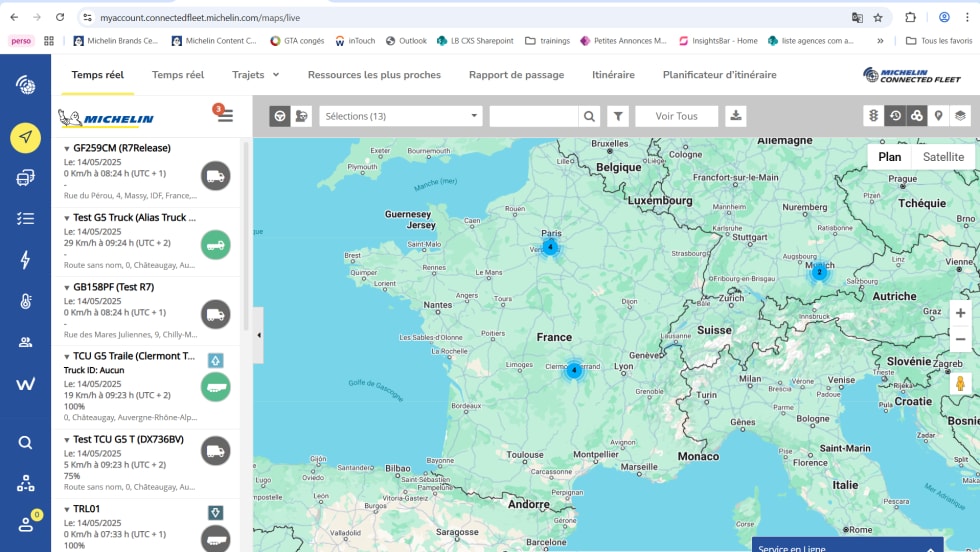
Michelin Adds AI Assistant to MyConnectedFleet Platform
Michelin’s new generative AI tool delivers instant fleet insights, helping managers analyze fuel use, tire maintenance, vehicle status, and operational performance without manually creating reports.
Read More →
LytxOne Platform Now Features AI, Compliance, and Asset Tracking Tools
New enhancements add AI-powered insights, asset tracking, compliance automation, and configurable privacy controls to Lytx's all-in-one fleet management platform.
Read More →