





Keep Reading: Truck Tires Take on Tech
Medium-Duty Tires Go Fuel-Efficient
The factors driving tire design for medium-duty trucks has changed. Today, tire makers must balance fuel efficiency and bulletproof durability to stand up to a harsh P&D environment.
August 12, 2014
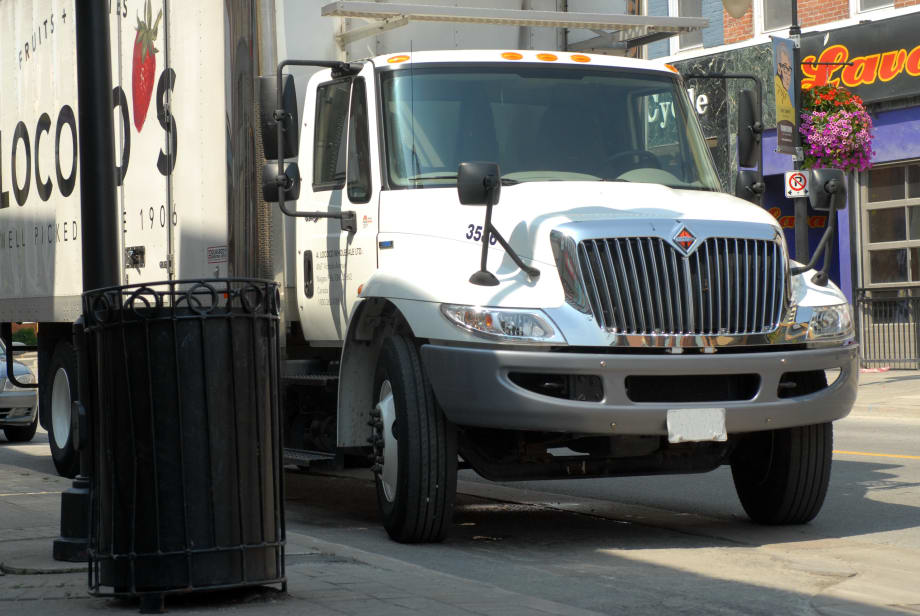
Downtown streets still pose a threat to delivery fleets' tires. Nobody will give up protection for fuel economy; the tire people say they won't have to.
3 min to read
The medium-duty world is dominated by the rental and leasing sectors and the pickup and delivery sector, at least in terms of the Class 5-7 trucks using 17.5- and 19.5-in tires.
What they wanted dictated what the tire makers delivered. And until recently, that crowd wanted a bulletproof tire would last forever, could be retreaded several times, and would handle the rigors of life on the mean city streets.
Over the years, tire makers delivered the tires industry wanted -- and was prepared to pay for. It's a very price-sensitive market, and that has historically limited innovation. And historically, fuel economy wasn't even on the radar screen.
Those days are behind us now, and the labs and engineers at most every major tire maker in the world are hard at work developing more fuel-efficient tread designs and compounds, because a tremendous market has just opened up for that kind of tire with the new federal fuel-economy regulations.
The biggest push in this new direction is coming from the original equipment manufacturers, who have few options at their disposal to meet the new GHG reduction mandates.
The heavy-duty guys have about six model inputs to play with to meet the limits on greenhouse gas emissions related to the overall vehicle, including aerodynamics, the ability to limit vehicle speeds, engine modifications, etc., and including using low-rolling-resistance tires.
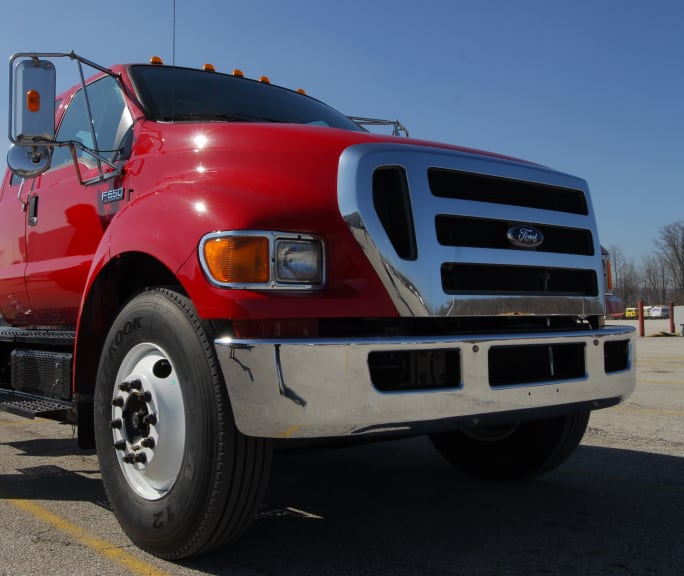
Price sensitivity has kept fuel-efficient tires out of the medium-duty market place for years. Now it's all the rage, and everybody is getting into the act.
In the medium-duty market, however, and especially the vocational segment, the variables in the EPA's Greenhouse Gas Emissions Model (GEM) model suddenly drop to essentially two: steer and drive tire rolling resistance improvements and the downsizing the engines. All the aero improvers seen for on-highway Class 8 trucks have limited application for most medium-duty trucks.
And no longer do medium-duty customers want just the cheapest and the longest-wearing tire they can get. When UPS announced that they wanted their entire fleet to be as efficient as possible, that sent a very strong signal to the tire industry.
Today's product development programs focus on producing a tire for an urban setting with lower rolling resistance, but with the same damage-mitigating performance attributes as before.
The urban nature of the segment does bring a few challenges. It's a more abusive environment with concerns about curbing, scrubbing, etc.
If tire makers use low rolling resistance compounds, they can't afford to give up the tread qualities that let the tire stand up to the harsher environment.
Manufacturers have improved manufacturing processes, and made big gains in materials. Today, some steer and drive tires could have as many as two to four different compounds in the tread area to minimize trade-offs. It's becoming the case for medium-duty tires as well.
So you see how OE demand is driving tire design for 17.5- and 19.5-inch tires in Class 5-7. Even with four of the largest fleets in the land (with more than 100,000 trucks between them) calling for a design change in the standard tire, what will the guy who owns a bakery and a couple of trucks to get his product to market think about the change?
Some users might wind up buying an extra set of tires over the life of the vehicle, perhaps two, which would consume in cash whatever savings accrued from improved fuel consumption. You have to look at each unique case and do a value calculation that takes into account miles to removal, retreading, and all the rest versus what you can measure in fuel savings.
Subscribe to Our Newsletter
More Fuel Smarts

California Bill Could Shed Light on Electric Truck Prices
Why do battery-electric Class 8 trucks remain so expensive? A California bill headed to Gov. Gavin Newsom would give fleets and state agencies more visibility into what manufacturers charge.
Read More →
Detroit Opens Orders for EPA 2027 Engines
Detroit isn’t starting from scratch to meet EPA 2027 diesel emissions standards. Its Gen 6 DD13 and DD15 engines keep much of today’s platform while updating the fuel and aftertreatment systems.
Read More →
Zero-Emission Truck Corridor Planned for West Coast
California, Oregon, Washington, British Columbia and Baja California are coordinating plans for truck charging and hydrogen fueling from Canada to Mexico.
Read More →
A Closer Look at Kenworth’s Electric T880E Vocational Truck [Video]
Learn more about Kenworth's T880E battery-electric vocational truck at the Paccar Technical Center, including its range, applications, upfitting considerations, and PTO options, in this HDT Spotlight video.
Read More →
Kenworth T880E Brings EV Power to Vocational Trucks
A closer look at the Kenworth T880E’s range, charging, powertrain and upfit options — and where fleets are showing the most interest.
Read More →
Jennie Abarca Is Proving Electric Trucks Can Do the Job
HDT Truck Fleet Innovator Jennie Abarca is building confidence in fleet electrification one load at a time while openly sharing the challenges she encounters along the way as a small-fleet owner.
Read More →
Cummins Adjusts 2027 Engine Rollout After EPA Proposal
The engine maker will gradually introduce its new Model Year 2027 diesel engines while continuing to offer current models during the transition, citing the EPA's proposed emissions rule changes.
Read More →
EPA Proposal Could Ease 2027 Truck Costs and Buying Uncertainty
The proposal doesn't change the tougher NOx standard, but it would revise key implementation requirements that manufacturers say have driven up costs and complicated fleet purchasing decisions.
Read More →
Cummins, Paccar Ease DEF Derates After EPA Guidance
Updated diesel engine software gives truck operators more time to address emissions-system issues while staying compliant with EPA emissions standards.
Read More →
Maintenance in the Messy Middle Part 3: Biodiesel
Biodiesel can reduce emissions, improve fuel-system lubricity and use existing diesel infrastructure. But NACFE’s Messy Middle maintenance report says fleets must actively manage storage, cold-weather operation, filters and oil drain intervals to avoid problems.
Read More →