




Lighting Options
As LEDs get better, they become a brighter idea.
Is there any reason in the world not to order LED lights? Probably not, because light-emitting diode lamps feature so many advantages over the old-fashioned incandescent bulb. That's why they're showing up on more and more commercial vehicles, not to mention passenger cars and light trucks.
LEDs give out strong, rich beams of red, amber and white light, using one-tenth the electrical current. It doesn't hurt that they also last 10 times as long as incandescent bulbs.
Truck fleets were quick to adopt red LED marker lamps when Grote Manufacturing first brought them to market. Truck-Lite and others soon followed, and they became a common and colorful sight at the rear of semitrailers. Amber marker lamps followed within a couple of years, along with large red tail/stop/turn signal lamps. Truck builders, too, have been using them for markers and tail lamps, and as backup lights when white LEDs came on the scene.
A number of trailer builders have standardized on LED lamps, though some are still standard with incandescents because they are cheaper to buy and many customers are still price-sensitive. But mass production and continued development are bringing down prices of LEDs, so any decisions about which type to use should be based on a recent quote, not one you got last year.
Among the latest LED options are interior lights for reefer trailers. LEDs make excellent sense there, because they actually become stronger in cold ambient temperatures, manufacturers explain. Fluorescent lamps, on the other hand, get weaker as temps drop.
Some vehicle builders have grouped LEDs and premium wiring with sealed plugs – another worthwhile electrical component – into spec'ing codes to make ordering them easier. These are worth asking about, whether for trailers or power units.
So, how about replacing incandescent bulbs in those aging fixtures with some of those imported LED bulbs that'll pop right in?
Maybe. Maybe not.
Domestic manufacturers say that LED bulbs can safely go into interior lights, but cannot legally be used in DOT-regulated exterior lamps because they are not designed to work with a fresnel lens – the type with concentric circles. The resulting light is so different in how it's aimed that inspectors will notice them and probably cite drivers for an infraction of light refraction, so to speak.
Incandescent lamps can still make sense where they are subject to damage and theft because replacement units are cheap, even if fix-it labor is usually expensive. When LEDs were becoming popular in the 1990s, some fleets spec'd them for the rear of trailers, where they are relatively safe from impacts, but used incandescents on the upper leading corners, where lamps are sometimes whacked by tree limbs and such. Manufacturers' answer to this is the LED mini marker lamp, which is only about 1/4-inch in diameter – small enough to be buried in upper structural extrusions and thus protected from most bashing.
Theft is a factor, so sometimes it's better to lose a cheap incandescent light. LED manufacturers have addressed this problem by using special fasteners that are difficult to remove. Another solution is a one-way grommet that wraps around the lamp. On the assembly line, workers pull such lamps into mounting holes, whereupon the grommet spreads out, moly style, so a lamp can't later be pulled out of the hole from outside, where the thief stands. Of course, this also makes legitimate removal of a smashed fixture more difficult.
Suppliers continue to develop diodes that are brighter, so fewer of them are needed in a given type of lamp. The mini markers, for instance, use only one bright diode where three or more weaker ones were needed in earlier, larger markers. This, along with volume manufacturing, helps lower costs.
By contrast, copper, which forms the wire in wiring, has about doubled in cost in recent years. That's too bad, because the usual gauge size of wire remains the same, even though LEDs draw far less current. There are discussions among truck and trailer builders to reduce wire-gauge size, which would mean smaller quantities of costly copper and thus keep vehicle prices from rising more than they otherwise must. A typical trailer has an 8-gauge ground wire, a 10-gauge wire for the tail/stop/turn signal lamps and the auxiliary ABS supply, plus five 12-gauge supply wires. Most of those could be reduced by two or more numbers (where of course a higher number means a thinner wire). For instance, wires that supply juice to marker lamps might go from 12 gauge to 14 or 16.
One concern with this scheme is the physical strength required of wiring during manufacturing of the trailer. Wiring must be pulled through crossmembers and other structural pieces as they're stretched the length of a trailer, and thinner wiring might be torn apart. This could be handled by making the jacketing stronger. Manufacturers are consulting fleet managers on this.
In another development, lamp circuits feeding the diodes now have buffers that clip spikes and surges in voltage. So LEDs now shine the same regardless of the voltage, emitting a safe amount of light from 9 to 16 volts – a common range in everyday operations. This is especially good for multi-trailer combinations, where voltages are strong at the tractor but often drop toward the rear trailer(s). With incandescent bulbs, a 1-volt rise or drop can raise or cut light output by 30 percent, which means glaring or dim lights.
If LEDs are so good, why don't they lead the way for the rig, as headlamps? Because considerably more light is needed here. Suppliers are slowly working their way toward LEDs with the required power. LED headlamps have been displayed at shows and industrial meetings, and tests are under way on vehicles. We could see them in production vehicles in a few years.
One thing that could hold them back is adoption of projector-beam headlamps by car and truck makers. They are really effective, but are expensive to replace because fixtures are complicated and custom-made for each vehicle. Most use halogen bulbs, while a few employ xenon bulbs that emit glaring blue light. This annoys people so much that thousands have complained to the National Highway Traffic Safety Administration, which is looking into limiting the use of xenon bulbs.
Fleet operators would probably prefer LED headlamps to projector-beam types because – depending on how fashionably they're designed – the LEDs would be cheaper to replace. Indeed, some fleet managers look longingly back to the days of simple halogen sealed-beam headlamps or even the old, cheap incandescent sealed beams. Alas, demands for safe illumination mean we'll not see them on new trucks again, and those smitten by nostalgia can view them on collector trucks at antique shows.
Finally, everyone knows that incandescent lamps burn hot – their light, after all, comes from electric current heating up the filaments in bulbs, which is why they use a lot of current. That heat can cause problems, and there are reports – accurate or not – of illuminated rear marker lights being snugged against the cushions of loading docks long enough to set the cushions afire. LEDs operate so cool that they can't set anything on fire.
Then again, they can't conveniently melt snow and ice on the marker and tail lights on a cold winter's night – something drivers have been known to gripe about.
There's always a downside to everything.
More Fleet Management

How Innovative Trucking Leaders Turn Change Into an Advantage
As the pace of change accelerates in trucking, the fleets that adapt best have more than the latest technology. They have cultures that embrace improvement.
Read More →
Freight Broker Bonds Just Got Harder to Get. Here's What That Means for Your Fleet.
When it gets harder for a freight broker to prove they are financially sound, the ones who cannot clear that bar get pushed out of the market. And those are exactly the brokers who used to leave motor carriers holding the bag.
Read More →
Long-Awaited Canadian Border Bridge to Open in Detroit
For trucking, the bridge opening should offer immediate improvements in efficiency and reliability, with new customs facilities, expanded inspection capacity, and direct freeway-to-freeway connections.
Read More →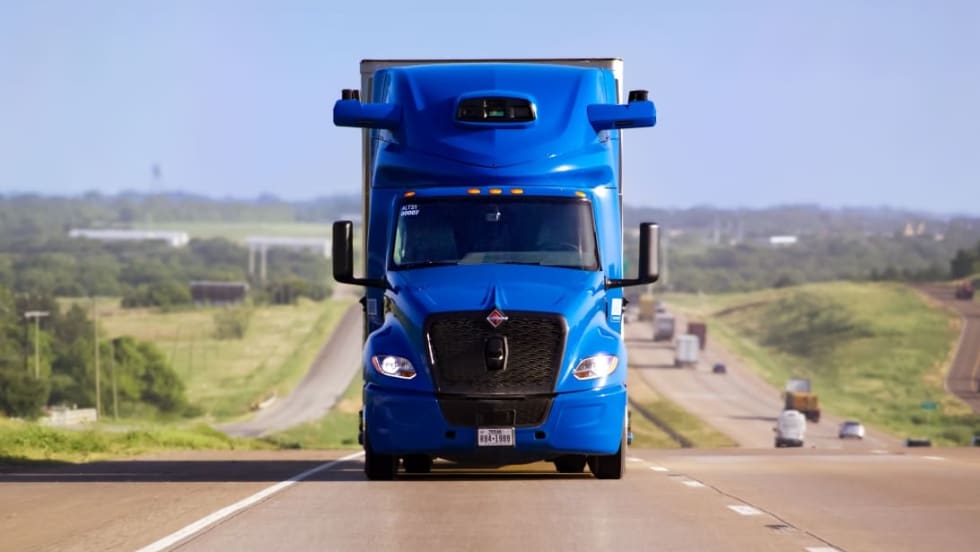
Aurora Rolls Out Next Generation of Driverless Trucks for Commercial Freight
Aurora's latest autonomous trucks it's rolling out with International feature lower-cost hardware designed for a million miles as the company expands commercial driverless freight operations across the U.S. Sun Belt.
Read More →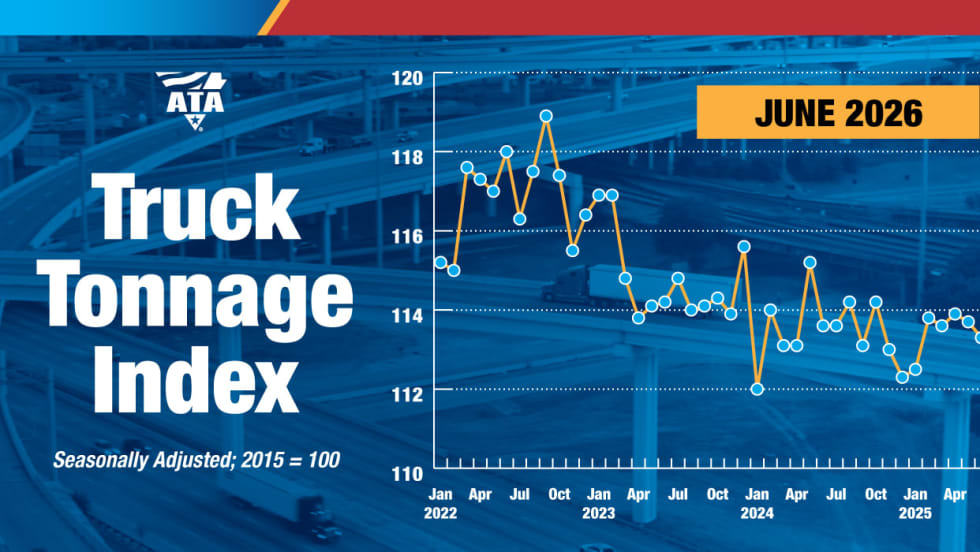
Freight Tonnage Down, Rates up, as Lower Capacity Powers Trucking Recovery
The recovery from the freight recession continues to be driven by reduction in capacity rather than by increased demand.
Read More →
Think Your Trucking Fleet Isn't Using Much AI? Think Again
Shadow AI — the use of unauthorized artificial intelligence tools at work — is becoming increasingly common, putting sensitive company data at risk. Learn how trucking fleets can protect sensitive data while embracing AI.
Read More →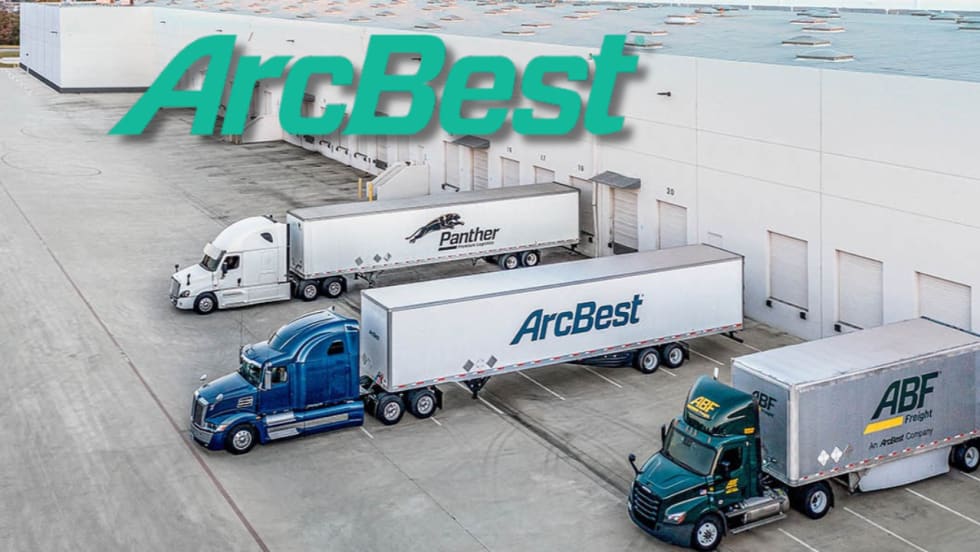
ArcBest Consolidates Brands, Cuts Workforce
The company will bring three business units under the ArcBest brand, eliminate about 2% of positions, and expects the changes to generate $40 million in annual savings.
Read More →
Trucking Fleets Faced Record Operating Costs During Third Year of Freight Recession
ATRI's annual operational cost report shows carriers trimmed fleets, delayed equipment purchases, and ran older trucks as expenses continued to outpace freight rates.
Read More →
Michelin Adds AI Assistant to MyConnectedFleet Platform
Michelin’s new generative AI tool delivers instant fleet insights, helping managers analyze fuel use, tire maintenance, vehicle status, and operational performance without manually creating reports.
Read More →
LytxOne Platform Now Features AI, Compliance, and Asset Tracking Tools
New enhancements add AI-powered insights, asset tracking, compliance automation, and configurable privacy controls to Lytx's all-in-one fleet management platform.
Read More →