




Global News Roundup: 15 Countries Pledge 100% Zero-Emissions Truck, Bus Sales by 2040
ICYMI: A roundup of global trucking industry news from Daimler, TotalEnergies, Arrival, Alliance Parts and more.

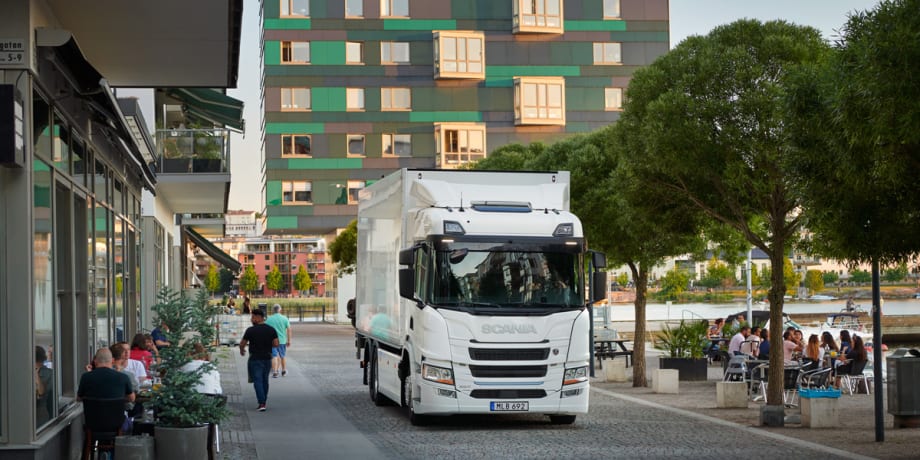
Scania, a Traton brand, has endorsed a 15-country agreement calling for all new truck and bus sales to be zero-emissions by 2040.
Photo: Scania
Fifteen countries have agreed to work together toward 100% zero-emission new truck and bus sales by 2040.
During the COP26 UN Climate Change Conference of the Parties conference in Glasgow last month, Austria, Canada, Chile, Denmark, Finland, Luxembourg, Netherlands, New Zealand, Norway, Scotland, Switzerland, Turkey, the United Kingdom, Uruguay, and Wales signed a Global Memorandum of Understanding for Zero-Emission Medium- and Heavy-Duty Vehicles.
The agreement set an interim goal of 30% zero-emission new vehicle sales by 2030.
Although the U.S. is not one of the initial signatories, organizers say California’s previous actions and ambitious goals have been breaking new ground in zero-emission transport. The announcement cited California’s Advanced Clean Truck rule that establishes firm sales targets for zero-emission trucks as a basis of the MOU goals.
In addition, manufacturers and fleets, such as Scania, DHL, and Heineken, endorsed the MOU and agreed to work toward the same 2030 and 2040 goals.
Jamie Fox, principal analyst for Interact Analysis, noted in an online column that for this initiative to be really counted as a major success at a global level, it will need to attract more signatures.
“Despite that, I’m going to go out on a limb here and say that this is the start of something,” he wrote. “I tentatively predict that we will later see other countries and OEMs making similar plans, and that this will capture just enough momentum to shift the global market to the point where even laggards are eventually forced to follow the same track through market forces, citizen pressure, or eventually even reducing supply of diesel vehicles.”
New Briefs from Around the World
Hydrogen fueling infrastructure: Daimler Truck and TotalEnergies signed an agreement to collaborate in the development of ecosystems for heavy-duty trucks running on hydrogen, with the ambition to play a lead role in kickstarting the rollout of hydrogen infrastructure for transportation in Europe. The collaboration includes hydrogen sourcing and logistics, dispensing of hydrogen in service stations, development of hydrogen-based trucks, and establishment of a customer base. TotalEnergies has the goal by 2030 to operate directly or indirectly up to 150 hydrogen refueling stations in Germany, the Netherlands, Belgium, Luxemburg and France.
Service for Arrival vans: Electric-van maker Arrival is setting up a service and repair network for its electric vans in Europe and the U.S. Because Arrival doesn’t have a franchise dealer network, the Arrival Service Network Program currently has four partners in Europe and four in the U.S. Partners in the program will use the company’s digital Service Platform to train and certify technicians on its vehicles. The Service Platform uses the data from Arrival’s vehicles and proprietary algorithms to enable existing service providers to repair and maintain vehicles using existing networks of technicians and workshops. Arrival says this will ensure scalable coverage for fleets using its electric commercial vehicles.
Alliance Parts in Mexico: Alliance Parts, a brand of Daimler Trucks North America, opened its first standalone store in Mexico, in the Escobedo, Nuevo León. The store, operated by the Difrenosa dealership, features Alliance Parts for all Freightliner trucks. The Alliance Parts store in Mexico opened with more than 1,000 unique parts in stock and plans to double its offerings by the end of 2022.
More Fuel Smarts

How GP Transco Builds Fuel Savings a Fraction at a Time
Aerodynamic specs, solar panels, and driver incentives help GP Transco turn small efficiency gains into savings it can reinvest in its people.
Read More →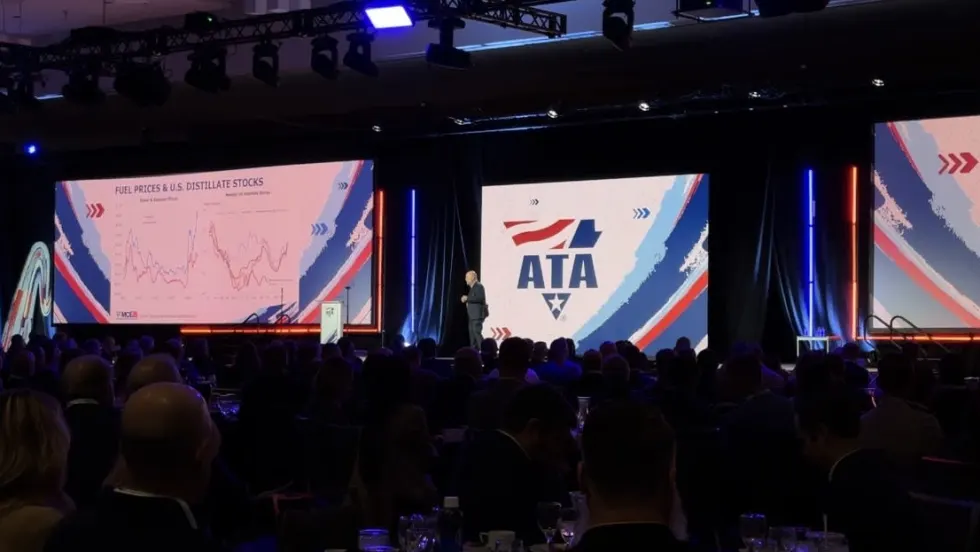
Trucking’s Diesel Squeeze Isn’t Letting Up
With diesel topping $6 a gallon nationally, ATA's Bob Costello explains why fleets should prepare for continued pressure at the pump.
Read More →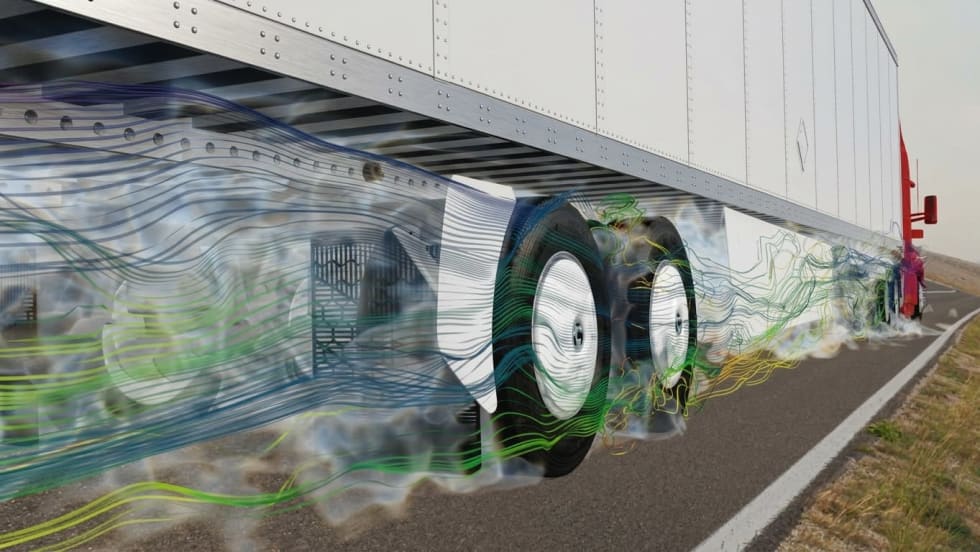
FlowBelow Redesigns Trailer AeroSlider to Cut Fuel Use
The lighter trailer aerodynamic system installs in less than 45 minutes, according to the company, with potential payback in under a year depending on fuel prices and trailer mileage.
Read More →
Why Diesel Price Relief Efforts May Fall Short
Diesel prices have eased from September’s record high, but doubts about additional Russian supply and limits on dyed-diesel tax relief mean trucking fleets still face expensive fuel. And prices could go higher.
Read More →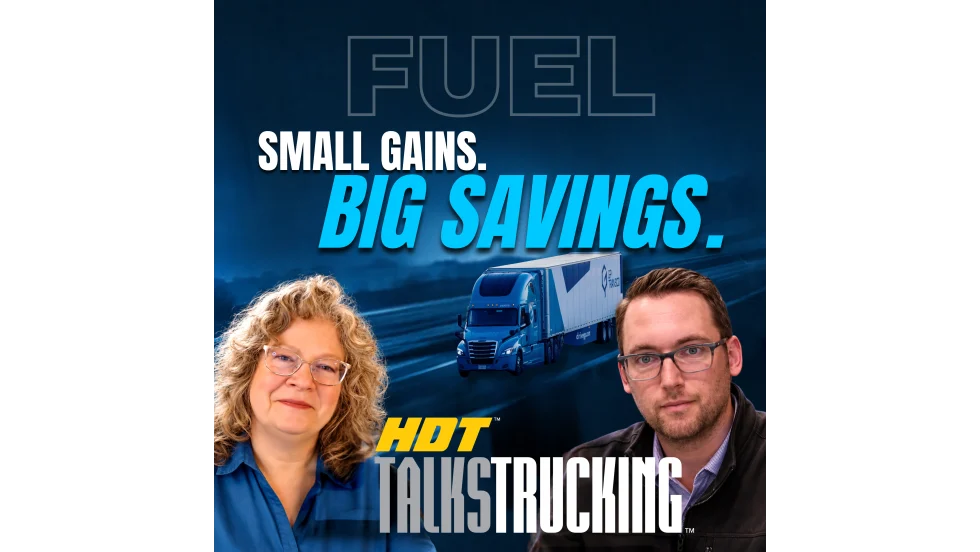
Why Small Fuel Savings Matter in Trucking
Can better fuel economy help pay for driver raises? In this podcast, GP Transco explains how small efficiency gains create room to reinvest in its people.
Read More →
How GP Transco Cuts Trucking Fuel Costs, a Tenth of a Gallon at a Time
What’s another tenth of a mile per gallon worth? GP Transco shares how equipment upgrades and driver coaching turn small gains into meaningful fuel savings.
Read More →
Electric Yard Tractors Move Beyond Pilots
Operating-cost savings have overtaken sustainability goals as the leading reason surveyed fleets are adopting battery-electric terminal tractors, according to new NACFE research.
Read More →
Geotab Links Fleet Card to Vehicle Data
The new card combines fuel discounts with telematics-based purchase controls. Geotab’s analysis also points to potential savings from choosing lower-priced fuel stops.
Read More →
Fleet Economics Shape Electric Truck Outlook
ACT Research expects costs, charging infrastructure, and technology improvements to drive zero-emission commercial vehicle adoption as federal regulations and incentives retreat.
Read More →
Wex Adds Cardless Fuel Payments for Over-the-Road Customers
A new fuel card feature for Wex customers offers convenience and security.
Read More →