




Chevrolet and GMC Offer a Single-Source LPG Option for Cutaway Vans
General Motors embraces an established infrastructure by offering its customers a liquefied petroleum gas option for the 2012 Chevrolet Express and GMC Savana cutaway 3500 and 4500 vans
General Motors embraces an established infrastructure by offering its customers a liquefied petroleum gas option for the 2012 Chevrolet Express and GMC Savana cutaway 3500 and 4500 vans.
This new LPG offering enables businesses to choose from 2,604 LPG fueling stations nationwide -- a number that is expected to significantly increase.
"LPG infrastructure has progressed rapidly, so it's easier for our customers to refuel in convenient locations across the country," said Brian Small, general manager, GM Fleet and Commercial Operations. "When our customers order the LPG option, they're getting a sensible fuel alternative, with the convenience of a one-stop ordering process."
GM is the only manufacturer to provide a single-source LPG van option, the company says. GM's manufacturing process enables customers to spend less time converting vehicles by using a one-stop-shop approach that delivers a vehicle with a complete LPG fuel system, which can then be upfitted to meet customer requirements.
GM selected Knapheide Manufacturing Co. to install two different LPG systems into the 159" wheelbase cutaway van. CleanFUEL USA and Bi-Phase Technologies serve as tier-two suppliers for the 49- and 75-gallon capacity LPG fuel system, respectively.
"Through GM's unique manufacturing process, our fleet customers know they're getting quality, reliability and convenience," said Joyce Mattman, director, commercial product and specialty vehicles.
The vans come equipped with GM's hardened Vortec 6.0L engine, and with this LPG offering, GM offers four alternative fuel options for U.S. fleet customers: LPG, CNG, ethanol (E85) and B20 biodiesel.
The vans will be produced at GM's Wentzville, Mo. plant and transported to Knapheide's nearby facility for fuel storage/delivery system installation. Upon completion, the vehicle is then sent to the upfitter chosen by the customer for body installation. The cutaways can be converted to various commercial, school bus, shuttle bus and RV requirements.
Chevrolet Express and GMC Savana LPG cutaway vans will be covered by GM's three-year, 36,000-mile new vehicle limited warranty and five-year, 100,000-mile limited powertrain warranty and vehicle emissions warranty, meeting all Environmental Protection Agency (EPA) and California Air Resources Board (CARB) emission certification requirements.
More Fuel Smarts

Record Diesel Prices Squeeze Trucking Fleets
Average U.S. diesel prices have climbed to nearly $6 a gallon, surpassing the 2022 record as tight refinery capacity and Middle East disruptions keep fuel costs elevated.
Read More →
How Fuel Delivery Shapes Engine Performance
Fuel delivery depends on more than what happens at the injector. For fleet, maintenance and technical professionals, looking at the full path from pump to injector can provide useful context for understanding engine performance.
Read More →
East Coast Port Launches $45M Electric Truck Push
The Port Authority of New York and New Jersey announced millions in incentives for zero-emission drayage trucks, yard tractors, and new charging hubs near the port.
Read More →

California Bill Could Shed Light on Electric Truck Prices
Why do battery-electric Class 8 trucks remain so expensive? A California bill headed to Gov. Gavin Newsom would give fleets and state agencies more visibility into what manufacturers charge.
Read More →
Detroit Opens Orders for EPA 2027 Engines
Detroit isn’t starting from scratch to meet EPA 2027 diesel emissions standards. Its Gen 6 DD13 and DD15 engines keep much of today’s platform while updating the fuel and aftertreatment systems.
Read More →
Zero-Emission Truck Corridor Planned for West Coast
California, Oregon, Washington, British Columbia and Baja California are coordinating plans for truck charging and hydrogen fueling from Canada to Mexico.
Read More →
A Closer Look at Kenworth’s Electric T880E Vocational Truck [Video]
Learn more about Kenworth's T880E battery-electric vocational truck at the Paccar Technical Center, including its range, applications, upfitting considerations, and PTO options, in this HDT Spotlight video.
Read More →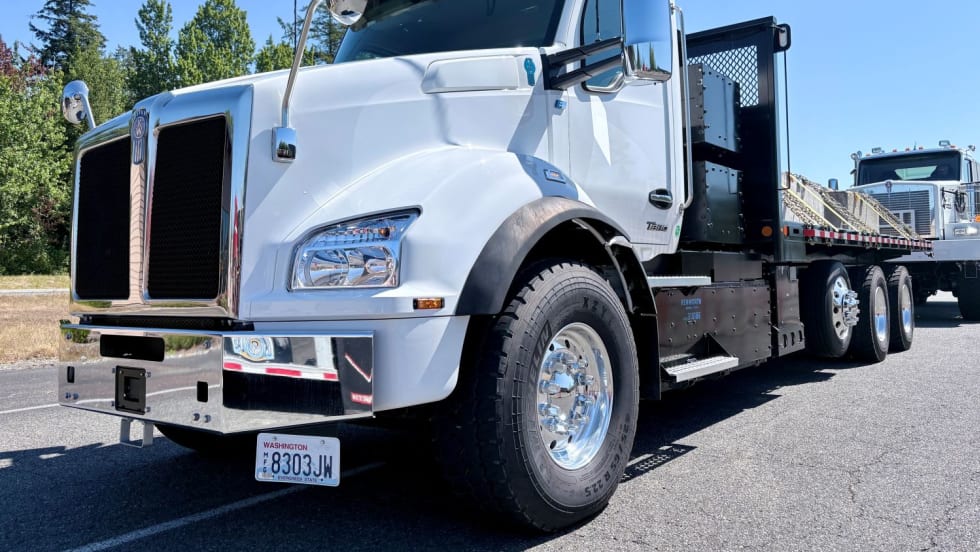
Kenworth T880E Brings EV Power to Vocational Trucks
A closer look at the Kenworth T880E’s range, charging, powertrain and upfit options — and where fleets are showing the most interest.
Read More →
Jennie Abarca Is Proving Electric Trucks Can Do the Job
HDT Truck Fleet Innovator Jennie Abarca is building confidence in fleet electrification one load at a time while openly sharing the challenges she encounters along the way as a small-fleet owner.
Read More →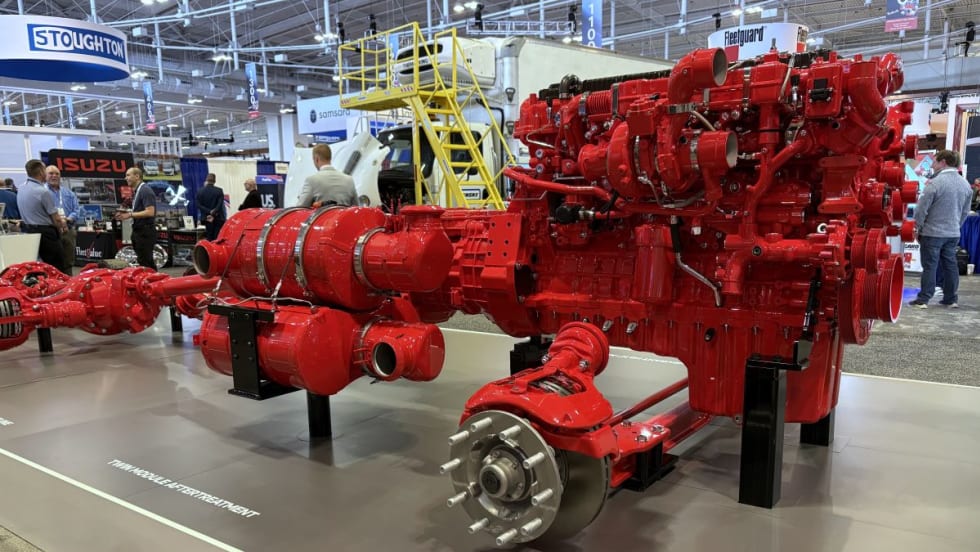
Cummins Adjusts 2027 Engine Rollout After EPA Proposal
The engine maker will gradually introduce its new Model Year 2027 diesel engines while continuing to offer current models during the transition, citing the EPA's proposed emissions rule changes.
Read More →