




Chassis Recycling Among Nikola Motor's Plans
A "cab replacement program" will enable Nikola fuel cell-electric chassis to be reused "over and over again," the company's founder said, answering one of many questions answered at the launch event last month.

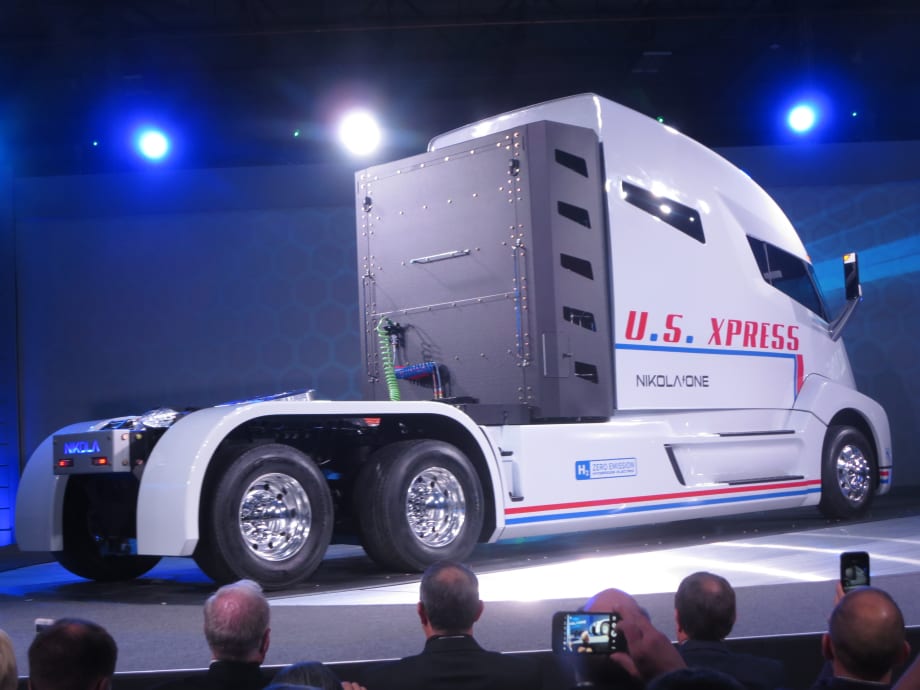
Fuel bottles are in a cabinet behind the cab to allow access for required pressure-vessel inspections. Hydrogen is as safe to handle as compressed natural gas and possibly safer than gasoline, Trevor Milton asserted.

Recycling of the chassis and components is among plans for Nikola One and Two fuel cell-electric heavy trucks, declared Trevor Milton, the founder of Nikola Motor Co., during the unveiling and technical briefings early this month at the firm’s base near Salt Lake City.
Many details of the development program for the futuristic vehicles were revealed by Milton and his associates on Dec. 1 and 2, some during presentations and others during a question-and-answer session. Enthusiastic but healthily skeptical people in the audience posed the questions, and most of them said they were owner-operators or owners of small fleets.
A question about the trucks’ projected “life span” got Milton talking about recycling.
“We will have a cab replacement program so the truck can be reutilized over and over again,” he said. The entire chassis will be reusable because the frame, batteries, electric motors, fuel cell and other parts will be rugged and long-lived. He forsees a chassis refitted with a new cab at least twice, at 500,000 and 1 million miles, at which point the truck could be sold into secondary markets.

New cabs could be equipped with the latest in electronics to enhance operations and safety, including security and autonomous driving, he said. That will periodically bring a truck up to date. Nikola Motor could control this recycling process because Milton foresees most units being acquired through full-service, 72-month leases, which means Nikola will retain ownership.
Eventually the chassis will be worn enough for the components to be removed and renewed or scrapped. The high-performance lithium-ion batteries could be sold in 80-kw/hour “slices” for use as energy storage units for homes, he said. These would become part of current solar-panel systems that generate electricity during the day for use during hours of darkness. Ex-Nikola batteries will still be healthy but cost less than new batteries.

“The secret to long life for batteries is keeping them at a constant temperature,” he said. So in Nikola trucks, the batteries will be surrounded by an electric grid and a refrigerant jacket to automatically warm or cool them, depending on ambient temperatures. Batteries and other systems are designed to work down to minus 40 degrees. Batteries naturally get hot during operation, but cooling them extends their truck-based lives from 100,000 miles to 500,000 or more.
“I’m a big believer in building something that lasts a long time,” he said.
One questioner wanted to know about the “security” of a Nikola’s batteries: Could they be stolen? That’s very unlikely, Milton answered. “Lithium’s very heavy, and the batteries weigh thousands of thousands of pounds. You would have to lift the truck” to get at them, then use machinery to handle them. “It would be like trying to steal the engine out of your truck.”

Another questioner noted that tanks for the hydrogen fuel are in an external cabinet behind the Nikola One prototype’s sleeper area. As long as you’re designing the vehicle from scratch, why not build them into the truck? To bare them for mandatory inspections, Milton explained, and to allow line-purging operations that will be routinely done to lessen chances of the gas being accidently ignited by a spark. For on-board storage, hydrogen will be compressed to 5,000 psi, about a third of what it can be, to control tank costs as well as the cost of compression, which consumes energy.
How will tanks stand up in a collision? Tanks are very strong, even “bullet proof,” and will resist strikes by rounds as large as .30-06 caliber, he said.
Isn’t hydrogen gas difficult and dangerous to work with? Hydrogen is as safe to handle with proper equipment and training as compressed natural gas, and safer than gasoline, which is actually rather dangerous. “Gasoline today likely wouldn’t be approved” for use by the public if it were a new fuel, he asserted.
How will fuel taxes be paid? “We’re working on that,” Milton said, and it will be arranged with government authorities. The model might be California, where hydrogen fuel-cell cars are in limited use. Taxes “should be pre-paid into the lease,” along with all other operating expenses including the fuel itself, tire wear and maintenance.
The 364 hydrogen filling stations that Milton intends to build to supply fuel will be “awesome” places that people will want to visit and that Nikola drivers will deserve, he said. They’ll have restaurants, rest rooms, and free truck washes. He will model them after a chain of upscale stations in Utah that have become “destinations” for the traveling public.
Although hydrogen fuel will be part of a lease and thus supplied at no charge to Nikola operators, the stations will be open to the public and sold at the equivalent of $1.50 per gallon, he said.
Some questions reflected basic practicality. How much damage will a Nikola One get if it strikes a deer or elk? Will a “bull bar” be optional? Designers are working on a larger bumper that will withstand such a collision and still retain aerodynamic properties, Milton said.
How will a driver escape the cab if the truck rolls on its left side, where the Nikola One prototype’s single door is? Instead of one sliding door, which opens backward, as on a minivan, production models will have two smaller doors, one on each side, for improved convenience and safety, Milton answered.
A dump-truck operator wanted to know if the Nikola Two daycab, which will be aimed at regional and short-hauling but also suitable for vocational use, be available with a power take-off. Yes, Milton said, and it will probably be electric. Accessories such as the air compressor, belt-driven by diesels in today’s trucks, will be electric for efficiency, and so they can be mounted conveniently.
From images displayed during the briefing, it appears that the Nikola Two will have a tilting hood for access to the fuel cell and other components. Access panels on the streamlined non-tilting Nikola One’s cab and nose will make it easy for technicians to get at various systems on that vehicle, he said.
How will build quality be ensured when production begins? this reporter asked. “We get that question a lot,” Milton answered. He’ll do it by hiring “bright minds” already at work in manufacturing to design the factory he plans to build. Robotic assembly will be employed to lessen mistakes sometimes made by humans.
Milton and his colleagues had ready answers to these and other questions, as though they had thought through all possible concerns. That, plus financial backing from Ryder System and others, and the $4 billion in purchase deposits that Milton claims to have on hand, suggest that the Nikola Motor project will survive the next three years of further designing and testing before trucks enter production in 2020.
To maintain interest in the project and satisfy the curious, Nikola Motor has scheduled an open house at 11 a.m. on Jan. 28, according to the company’s Facebook page. Lunch will be served and an RSVP is required. That will be at its headquarters on the west side of Salt Lake City.
More Fuel Smarts
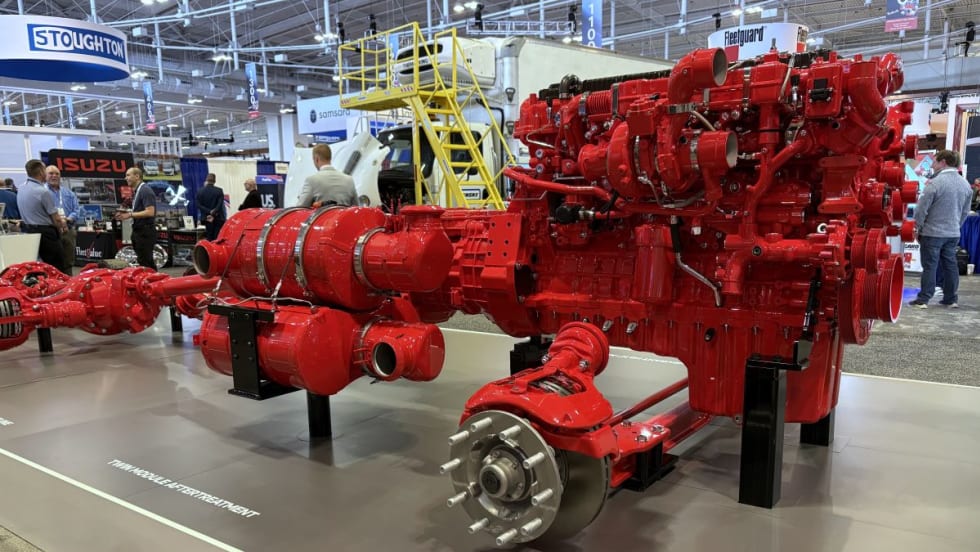
Cummins Adjusts 2027 Engine Rollout After EPA Proposal
The engine maker will gradually introduce its new Model Year 2027 diesel engines while continuing to offer current models during the transition, citing the EPA's proposed emissions rule changes.
Read More →
EPA Proposal Could Ease 2027 Truck Costs and Buying Uncertainty
The proposal doesn't change the tougher NOx standard, but it would revise key implementation requirements that manufacturers say have driven up costs and complicated fleet purchasing decisions.
Read More →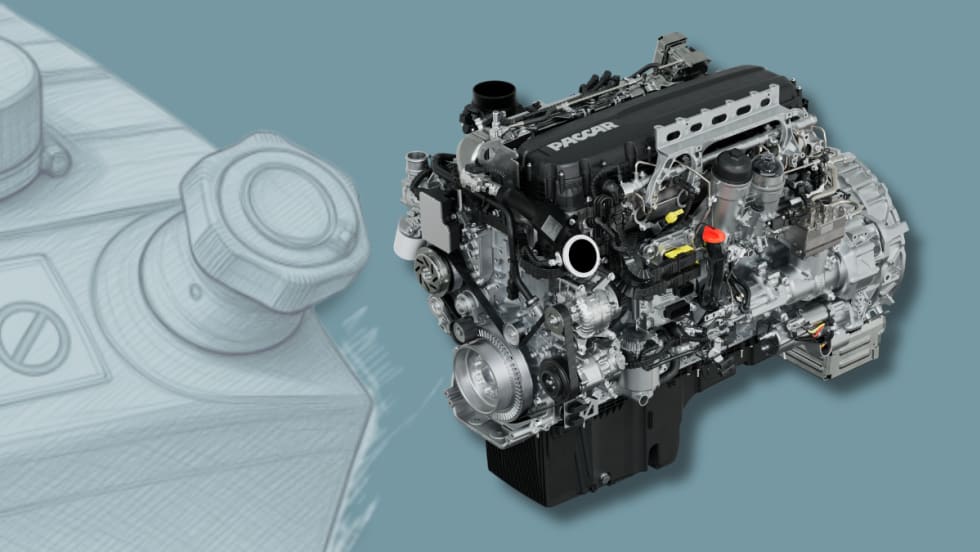
Cummins, Paccar Ease DEF Derates After EPA Guidance
Updated diesel engine software gives truck operators more time to address emissions-system issues while staying compliant with EPA emissions standards.
Read More →
Maintenance in the Messy Middle Part 3: Biodiesel
Biodiesel can reduce emissions, improve fuel-system lubricity and use existing diesel infrastructure. But NACFE’s Messy Middle maintenance report says fleets must actively manage storage, cold-weather operation, filters and oil drain intervals to avoid problems.
Read More →
Enhance Fleet Performance with High-Efficiency Auxiliary Power Units
Drive sustainable cost savings while increasing driver comfort during short- and long-haul logistics operations.
Read More →
Maintenance in the ‘Messy Middle’ Part 2: Renewable Diesel Fuel
NACFE's latest Messy Middle Powertrain Service & Maintenance report says renewable diesel gives fleets an opportunity to reduce carbon emissions without changing trucks, fueling infrastructure or maintenance practices. But technicians still need to understand several important operational differences.
Read More →
The Diesel Engine Enters NACFE’s ‘Messy Middle’
NACFE’s new Messy Middle Powertrain Service & Maintenance report says keeping modern diesel engines running now depends as much on software, diagnostics and data as traditional mechanical service.
Read More →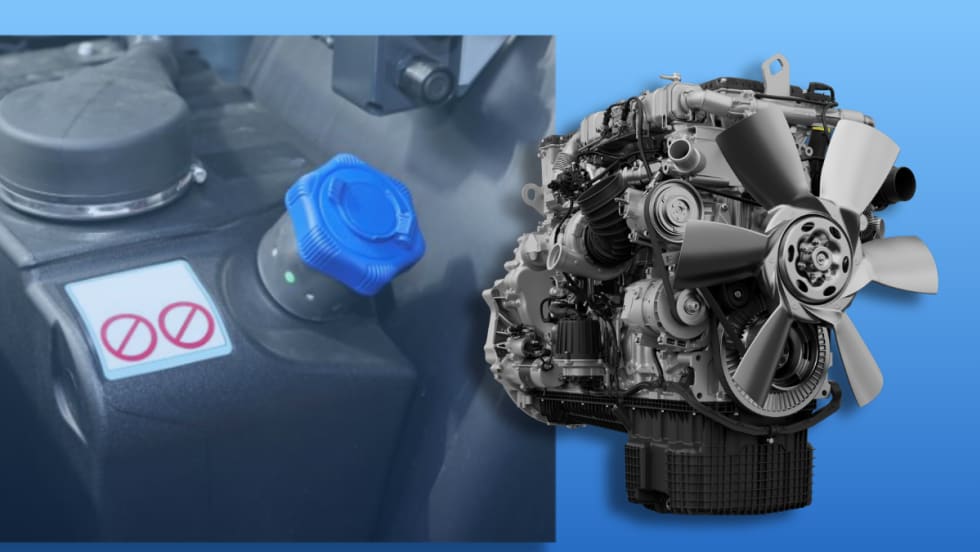
DTNA Software Update Gives Truckers More Time Before DEF Derates Take Effect
The changes reflect EPA guidance aimed at reducing downtime caused by emissions-system faults while maintaining compliance requirements.
Read More →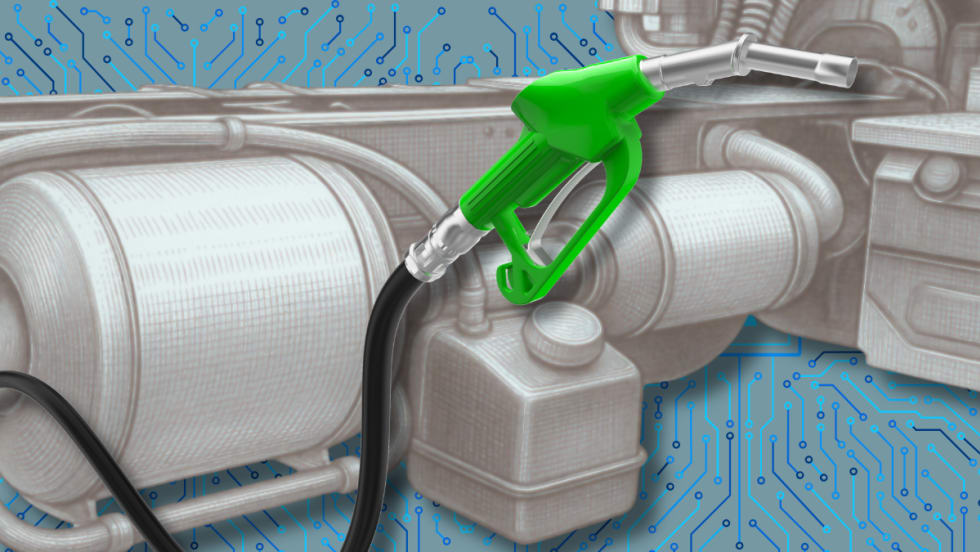
New Agentic Predictive Maintenance Report Demonstrates How Degraded Aftertreatment Systems Waste Fuel
Questar analyzed a large mixed-class fleet and discovered it was wasting as much as $30 in fuel per vehicle, per day, because of mechanically degraded aftertreatment systems.
Read More →
New York City's Microhub Project is Delivering Results
Trucking, last-mile delivery companies, and environmental advocates like what they are seeing so far with New York's microhub program.
Read More →