




Related: Capacity is Catching up to Demand in ACT’s For Hire Trucking Index
Can Carriers Hire Enough Drivers to Support Booming Truck Orders?
A strong September meant that North American Class 8 net orders set another record in the third quarter of 2018, breaking the record set in the first quarter of the year. FTR says it often faces skepticism about how fleets can possibly fill these trucks.
by Avery Vise, FTR
October 22, 2018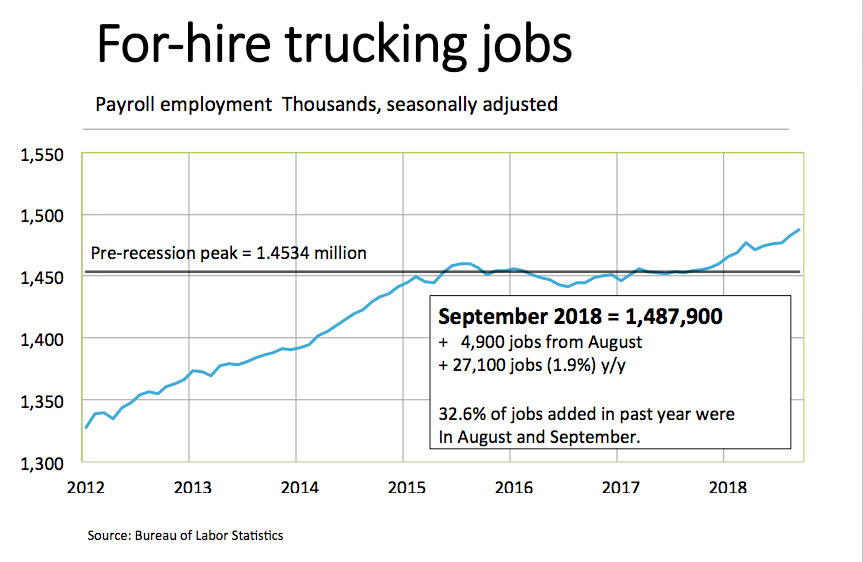
3 min to read
A strong September meant that North American Class 8 orders set another record in the third quarter of 2018, breaking the record set in the first quarter of the year. Orders totaled 146,000. Monthly order volume was the 10th highest of all time in September, and yet the month represented only the fifth best month this year.
FTR often faces skepticism about how fleets can possibly fill these trucks given a severe driver shortage and a national unemployment rate of 3.7% – the lowest in 49 years. It’s a fair question, but when we break down all the elements, it’s not as daunting as it might appear.
Let’s start with the fundamental point that a truck order is not a sale. Orders placed today can be cancelled tomorrow, next week or indeed – given current backlogs – well into 2019. However, while cancellations are to be expected, based on our current forecast we do not anticipate anything out of the ordinary. Also, some of these orders will end up, initially at least, in dealer stock rather than in fleet operations. And even among trucks actually sold to fleets, many will just replace existing units. As the North American truck fleet grows to handle more freight, more trucks must be replaced in any given trade cycle. Even so, the 2018 order activity clearly implies growth, and growth requires more drivers.
FTR estimates that 105,000 more drivers would be needed in 2019 to fill the Class 8 trucks we expect to be sold over and above replacement demand. That might sound like a big number, but it’s just over 3% of the current Class 8 driver force, which FTR estimates at 3.37 million. Payroll job growth in for-hire trucking currently is running above 2%. For-hire carriers added 4,900 payroll jobs in September on top of 5,900 added in August, according to preliminary data from the Bureau of Labor Statistics. That’s just under one third of the 33,100 jobs added since September 2017. So even as the overall job market has tightened, trucking companies’ hiring has accelerated. Not all those jobs are driving, of course, but most certainly are.
Also, 33,100 jobs added in a year is hardly pushing the limit if history is any guide. On a year-over-year (y/y) basis, the industry was adding more payroll jobs than that every month from June 2014 through August 2015. For example, the y/y increase in February 2015 was 55,200 – a 4% increase. And while the month-over-month (m/m) increase in September was solid, at least based on preliminary figures, we saw higher m/m increases in 23 months since 2010, including three months in 2018. So even with a low unemployment rate, continued growth seems feasible, especially given solid pay increases this year.
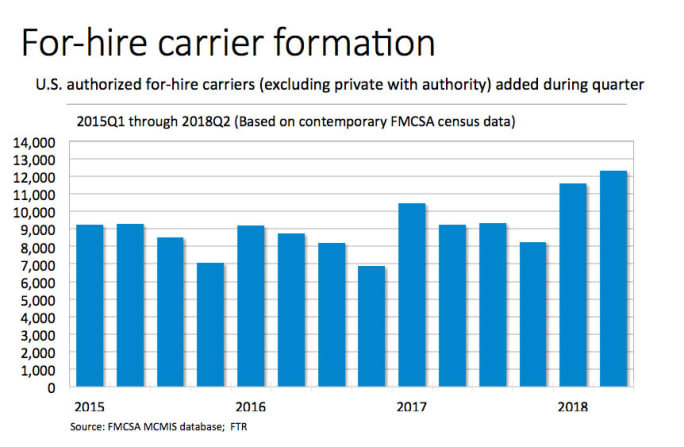
Not all driving jobs show up in the payroll figures for for-hire trucking, however. The biggest omission is what is happening with private fleets. Other significant blind spots in BLS numbers are leased and independent owner-operators. This segment is harder to assess, but available data suggests we are seeing growth. For example, FTR’s analysis of newly authorized for-hire carriers – most of which we would classify as independent owner-operators – shows a surge of new carriers in the first half of 2018. Given the strength in freight demand and rates, this isn’t surprising. As more used equipment becomes available in the coming months both on the open market and internally at carriers through lease-purchase programs, we likely will see continued strong growth in owner-operators. Because most new owner-operators naturally come from the ranks of company drivers, carriers’ solid growth in payroll job growth means that overall driver capacity is even higher.
Subscribe to Our Newsletter
More Fleet Management

What the U.S.-Canada Trade War Means for Trucking
Escalating U.S.-Canada tariffs could disrupt cross-border freight, reduce truck volumes, raise costs, and create new uncertainty for carriers on both sides of the border.
Read More →
What Are Trucking’s Top Concerns for 2026?
The American Transportation Research Institute wants to know what's worrying trucking fleet managers, drivers, and other stakeholders in its annual Industry Issues survey.
Read More →
American Trucking Associations Looks for a New Leader
ATA President and CEO Chris Spear abruptly left his job at the association on August 21, at a pivotal time for the trucking industry.
Read More →
Public Wi-Fi Cybersecurity Risks: How Truck Drivers and Fleets Can Protect Their Data
Public Wi-Fi can expose truck drivers and fleets to credential theft, malware, and other cyber threats. Here’s how to reduce the risk on the road.
Read More →
For Nicky Cupp, Fleet Innovation Starts With Frustration
HDT Truck Fleet Innovator Nicky Cupp turns everyday pain points at Fraley & Schilling into opportunities for better technology and smarter processes.
Read More →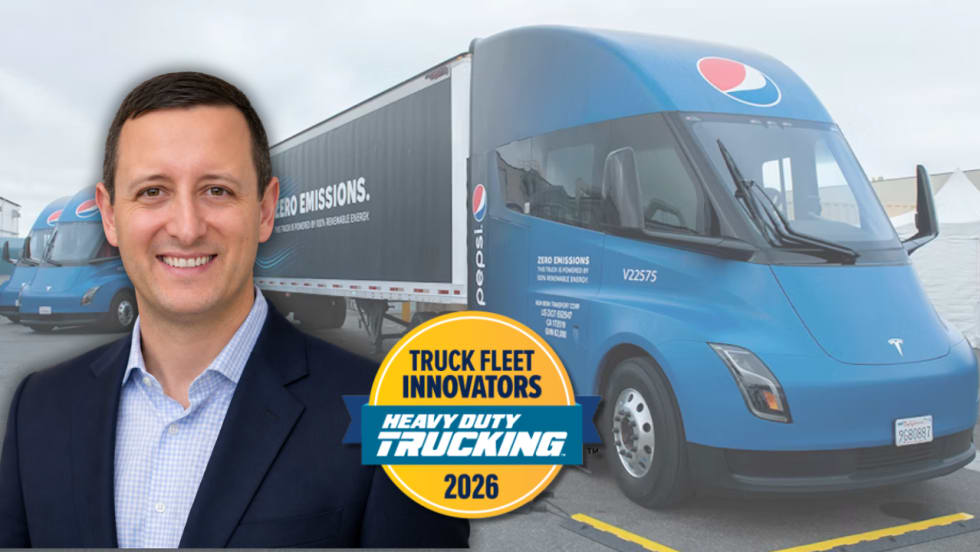
Adam Buttgenbach’s Approach to Electric Trucks: Start With Where They Fit
HDT Truck Fleet Innovator Adam Buttgenbach helped PepsiCo build one of North America’s largest EV fleets by focusing on where electric trucks make operational sense.
Read More →
Deen Albert: Let Automation Do the Math, People Make the Decisions
HDT Truck Fleet Innovator Deen Albert makes sure people are still at the heart of operations at Grand Island Express, even while adopting artificial intelligence tools. AI-assisted dispatch helped boost revenue 25% with the same number of trucks.
Read More →
Trimble’s New AI Agent Takes Aim at Fleet Back-Office Busywork
Arc Agent works across Trimble TMS products to automate repetitive tasks such as freight orders, maintenance, invoices, fuel costs and more.
Read More →
How HDT’s 2026 Truck Fleet Innovators Are Rethinking Fleet Operations
Meet five trucking leaders who are challenging assumptions, solving operational problems, and putting innovative ideas to work.
Read More →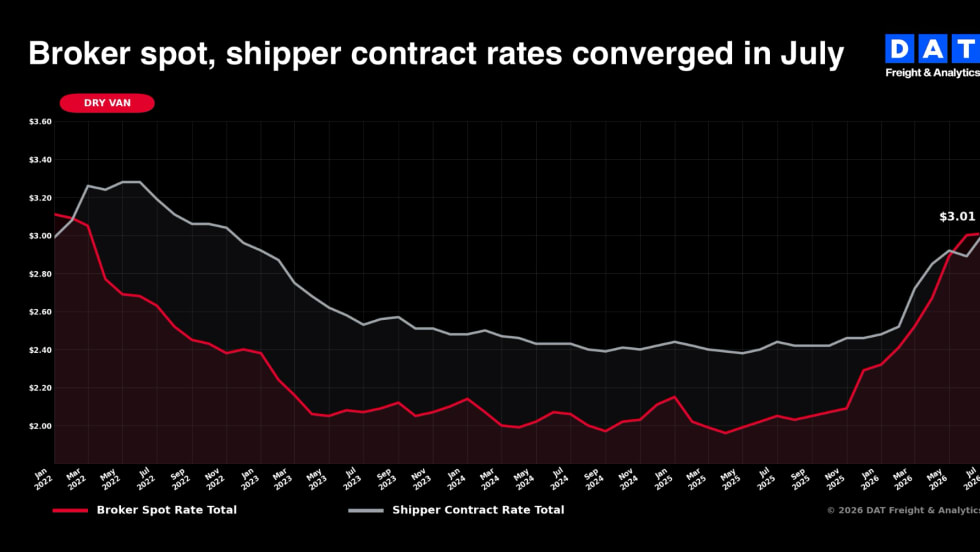
Tight Trucking Capacity Pushes Rates Higher Even as Freight Volumes Fall
“Spot rates moving ahead of contract rates have historically signaled a tightening market, but we haven’t seen a capacity-driven market quite like this one,” said DAT's Dean Croke.
Read More →