




Book Review: "Safety for the Long Haul"
Every truck safety professional in the country should read this book. And every trucking company owner or chief executive, upon whom the ultimate responsibility for safety lies, should be familiar with it

Every truck safety professional in the country should read this book. And every trucking company owner or chief executive, upon whom the ultimate responsibility for safety lies, should be familiar with it.
And so should the next chief of the Federal Motor Carrier Safety Administration.
What Ron Knipling, senior research scientist at the Virginia Tech Transportation Institute, has attempted here is to put forth in one document, for the first time, the current best understanding of the theory and practice of truck safety.
There aren't many who might be as qualified as he is to take on the subject. Knipling, who describes himself as an experimental psychologist, has been researching safety for 30 years. He began as a consultant to, and later was an employee of, the National Highway Traffic Safety Administration, where he did human factors and crash causation research. In 1995 he became the manager of the research program at the Office of Motor Carriers (predecessor to the Federal Motor Carrier Safety Administration). He left FMCSA for Virginia Tech in 2002.
This is a textbook, but it is not the practitioner's manual that trucking executives must master in order to obtain a safety manager or safety director certificate. Knipling said he hopes safety professionals will use the text to broaden and deepen their understanding of the work they do.
In 12 chapters, he covers the science of safety, driver risk, error and fatigue, the role of automobiles in truck safety, truck and roadway engineering, types of crashes, safety management including special topics such as driver retention and pay, and government regulation.
In the 13th and final chapter he proposes that it is time to change the way government approaches truck safety. "By and large, we already understand the elements of superior safety because they have been demonstrated," he writes. "We know what to do. We just haven't done it on a comprehensive scale."
Instead of "processed-based" regulation and enforcement, such as hours of service rules and roadside inspections, the emphasis should be on "active safety" - reduce driver errors and improve behavior in traffic by monitoring performance.
The current regulatory approach has worked - rules and enforcement are necessary - but it will not lead to maximum safety, he says.
For example, fatigue is an important cause of crashes and is fundamental to driver health, Knipling said in an interview. "But it is not a major cause of crashes compared to speeding. Speeding is simpler and yet we're so obsessed with fatigue. We're obsessed with hours of service regulations, yet [they] only partially address the fatigue problem."
His thesis: "The foundation of truck safety is not the government, regulations and enforcement, industry officials or even the drivers themselves. It is carrier safety managers. All the players have critical roles, but the safety manager's role is pivotal."
Knipling says that the most innovative government and industry programs will be those that support carrier-based safety management. Key management concepts include proper driver selection and evaluation, a process that will greatly benefit from onboard safety management technologies that keep track of driver behavior - speeding or hard braking, for example.
He believes that onboard technologies will provide the biggest bang for the safety buck, partly by monitoring driver behavior and partly by reducing mistakes.
"Onboard safety monitoring captures behavior, which is at the core of risk," he writes. "Other methods [of driver evaluation] are necessary and helpful, but fall far short of OBSM in their effectiveness."
Knipling is not breaking new ground here. John Hill, the most recent chief of FMCSA, has said he believes that technologies such as collision and lane departure warning could lead to a 30 percent to 40 percent reduction in crashes and fatalities. FMCSA could spend a lot more money on staff and enforcement and not get those kinds of results, Hill said.
Much of the material in this book is technical, referencing dozens of scientific studies, as you would expect in an analysis of human behavior and performance. It is not a light read. But Knipling's style is straightforward and efficient, and he has a passion for the subject that carries him through.
Among the author's many collaborators was Dave Osiecki, vice president of safety, security and operations at the American Trucking Associations, who served as a primary editor. Osiecki said he is aware of no other text that pulls together the complex web of safety issues like this one does. His goal, he said, is to see every trucking company have it as a working reference.
Knipling wants that, and one more thing: "I hope it results in more respect for safety professionals."
The book was scheduled to be published in early March. For a copy, contact ATA Business Solutions at 866-821-3458 or orders@trucking.org.
From the March 2009 issue of Heavy Duty Trucking.
More Fleet Management

Long-Awaited Canadian Border Bridge to Open in Detroit
For trucking, the bridge opening should offer immediate improvements in efficiency and reliability, with new customs facilities, expanded inspection capacity, and direct freeway-to-freeway connections.
Read More →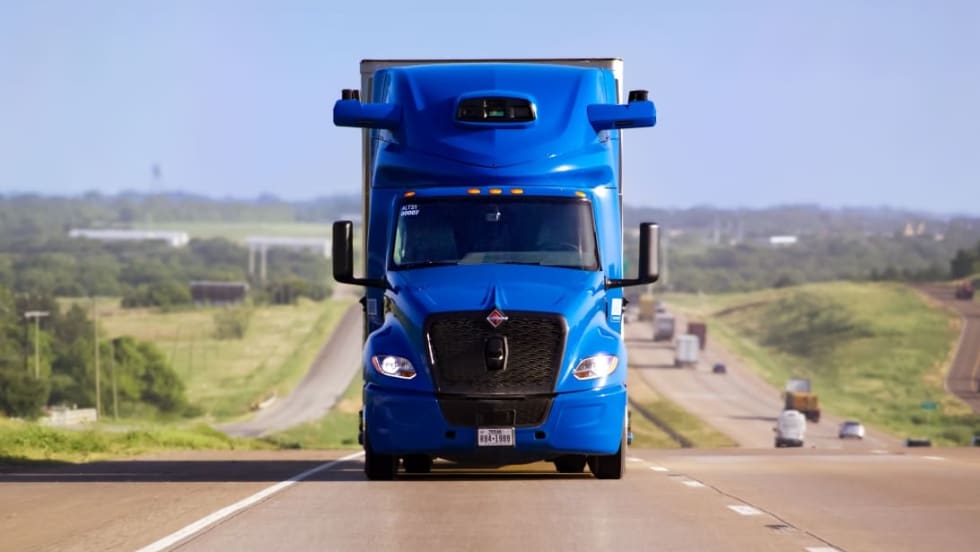
Aurora Rolls Out Next Generation of Driverless Trucks for Commercial Freight
Aurora's latest autonomous trucks it's rolling out with International feature lower-cost hardware designed for a million miles as the company expands commercial driverless freight operations across the U.S. Sun Belt.
Read More →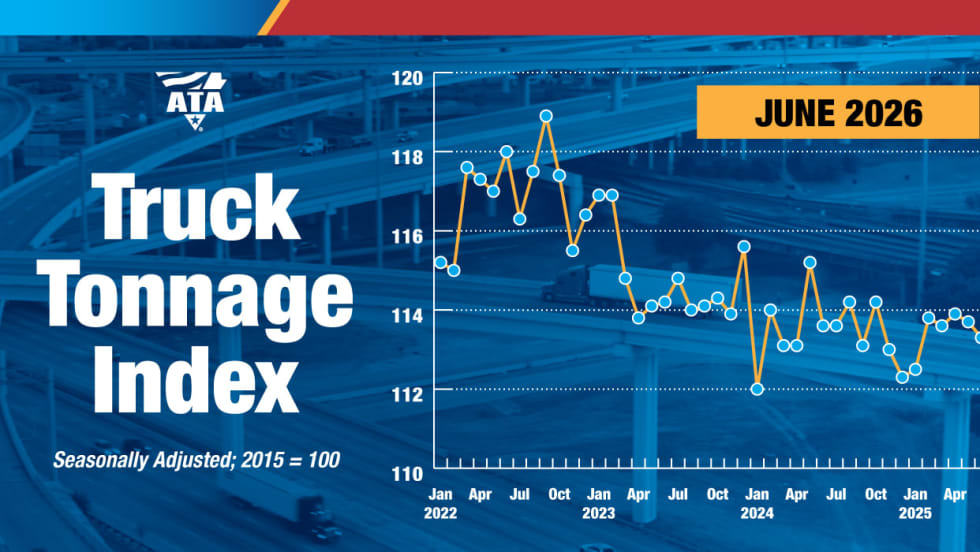
Freight Tonnage Down, Rates up, as Lower Capacity Powers Trucking Recovery
The recovery from the freight recession continues to be driven by reduction in capacity rather than by increased demand.
Read More →

Think Your Trucking Fleet Isn't Using Much AI? Think Again
Shadow AI — the use of unauthorized artificial intelligence tools at work — is becoming increasingly common, putting sensitive company data at risk. Learn how trucking fleets can protect sensitive data while embracing AI.
Read More →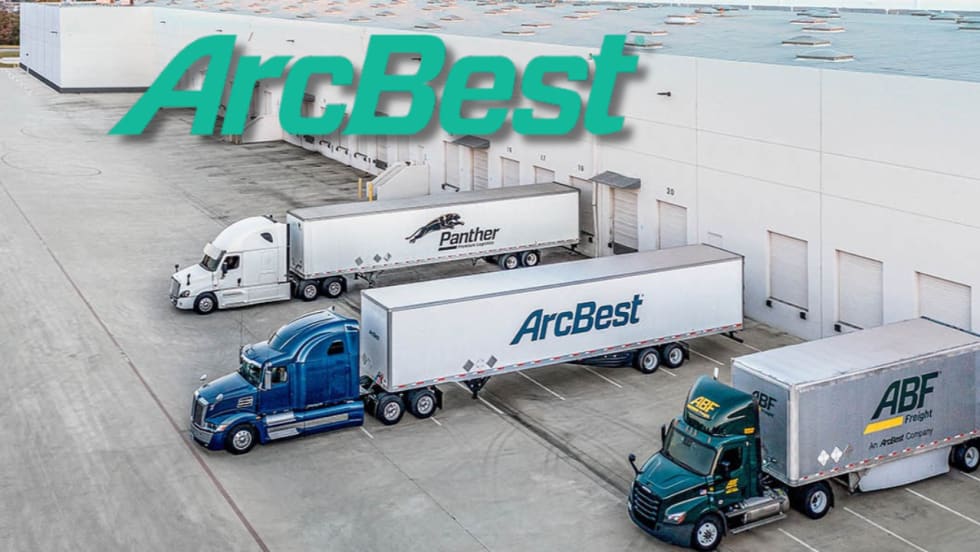
ArcBest Consolidates Brands, Cuts Workforce
The company will bring three business units under the ArcBest brand, eliminate about 2% of positions, and expects the changes to generate $40 million in annual savings.
Read More →
Trucking Fleets Faced Record Operating Costs During Third Year of Freight Recession
ATRI's annual operational cost report shows carriers trimmed fleets, delayed equipment purchases, and ran older trucks as expenses continued to outpace freight rates.
Read More →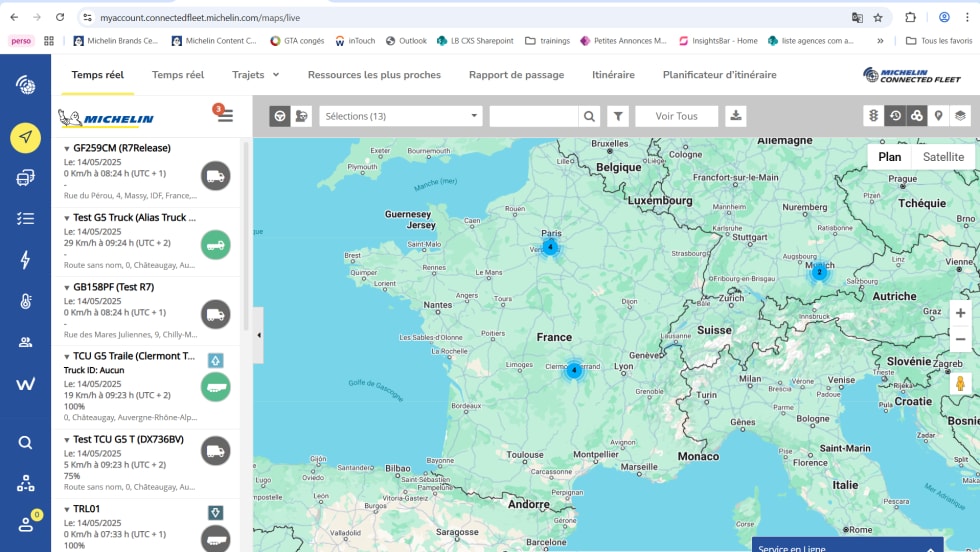
Michelin Adds AI Assistant to MyConnectedFleet Platform
Michelin’s new generative AI tool delivers instant fleet insights, helping managers analyze fuel use, tire maintenance, vehicle status, and operational performance without manually creating reports.
Read More →
LytxOne Platform Now Features AI, Compliance, and Asset Tracking Tools
New enhancements add AI-powered insights, asset tracking, compliance automation, and configurable privacy controls to Lytx's all-in-one fleet management platform.
Read More →
July Imports Poised to Set Container Record
The National Retail Federation projects July container imports will surpass the pandemic-era record as shippers frontload freight ahead of expected August tariff increases.
Read More →
HDT Announces 2026 Truck Fleet Innovator Finalists
From AI and fleet electrification to safety, operations, and leadership, these HDT Truck Fleet Innovator finalists are changing how trucking gets done.
Read More →