




Big Changes In 50 Years
Here's a nostalgic review of some of the names and brands that have come and gone over the past half century.
Researching and writing the 50-year history of the Technology and Maintenance Council (beginning on page 34 of this issue) was a real labor of love, bringing back all sorts of memories.
Having written about this stuff for 48 years, all sorts of truck history pops up. I'm opting to share some of it with you this month. Chances are if you're over 40, much of this will sound familiar. If you're younger, read along anyway. You might just pick up some interesting tidbits.
TMC had its beginnings in 1956, so let's start there. The equipment and maintenance issues in those days centered around gas versus diesel power, equipment reliability and maintenance needs and expenses. Almost all the truck manufacturers were still making their own gasoline engines: International, White, Ford, GMC, Chevrolet, Reo and Mack each had their own engine families. Some were huge. Mack, for instance, had a 707-cubic-inch six. Two of the custom fire apparatus builders – American and Seagrave – made their own large V-12s.
Others bought gas power: Brockway from Continental; Diamond T from Waukesha; Peterbilt from Hall Scott, which had a 1,150-cubic-inch big six.
Diesel power was offered by everyone as an option. Mack had its early END-672. Cummins' most popular power was its NH-220; Detroit Diesel had 4-71 and 6-71 inline two-cycle engines. The 8V-71 didn't come along until the '60s. The first generation of Greyhound tandem-axle Scenicruisers in the '50s had two Detroit 4-71's, and, oh what smoke! They were repowered with single 8V-71s, which was a vast improvement.
Almost all truck diesels were naturally aspirated (non-turbocharged). "Big power" was anything over 200 horsepower. Exhaust smoke – and plenty of it – was a sign of power. Caterpillar didn't enter the truck engine business until the '60s. Their engines were turbocharged from the start and took high horsepower from a small displacement block – a new concept at the time.
Among the troublesome issues during this time: hard starting at temperatures below 25 degrees. Ether spray and jumper cables were everyday items. Many an engine was ruined by over-ethering. Leaking cylinder liner O-rings were a serious issue for several years. Antifreeze leaked into engine oil, turning the crankcase into sludge. Some fleets opted not to use antifreeze at all. I recall being in Denver in 1961 and seeing more than 75 tractors puffing away in the Denver Chicago Trucking Co. yard. The temperature was near zero. If a driver broke down in the winter, he was told to drain all coolant so the engine block wouldn't crack.
Powertrains for the most part were four- and five-speed transmissions with two-speed rear axles in gas-powered trucks and tractors. With diesels, they were usually two-lever transmissions with a five-speed main and two, three or four-speed auxiliary boxes providing up to 20 speeds. That's what I learned to drive on. It required both hands to make some shifts. You held the steering wheel in the crook of your left arm while shifting the nearest stick.
The Fuller RoadRanger R-96 10-speed transmission – using the same shift pattern twice – greatly simplified driving, and made it much safer. Power steering was unheard of. Jacking a semi back into a loading dock while cranking the hard-to-turn steering wheel really worked up a sweat.
Little attention was paid to fuel economy. Both gas and diesel fuels were cheap. I tanked up at times for 25 cents a gallon. Fan clutches hadn't come along yet. To keep diesels warm, manufacturers used radiator shutters that closed automatically to prevent air flow through the radiator when cold, then opened as engine temps reached 190 degrees. The fan turning constantly, robbing horsepower. Governed engine speed on diesels was 2,100 rpm, and we "wound up" to 2,100 as much as possible because that's where the power was. What a change from today.
Like Walter Cronkite used to say: "And that's the way it was."
Again, congrats to TMC.
More Fleet Management

How Innovative Trucking Leaders Turn Change Into an Advantage
As the pace of change accelerates in trucking, the fleets that adapt best have more than the latest technology. They have cultures that embrace improvement.
Read More →
Freight Broker Bonds Just Got Harder to Get. Here's What That Means for Your Fleet.
When it gets harder for a freight broker to prove they are financially sound, the ones who cannot clear that bar get pushed out of the market. And those are exactly the brokers who used to leave motor carriers holding the bag.
Read More →
Long-Awaited Canadian Border Bridge to Open in Detroit
For trucking, the bridge opening should offer immediate improvements in efficiency and reliability, with new customs facilities, expanded inspection capacity, and direct freeway-to-freeway connections.
Read More →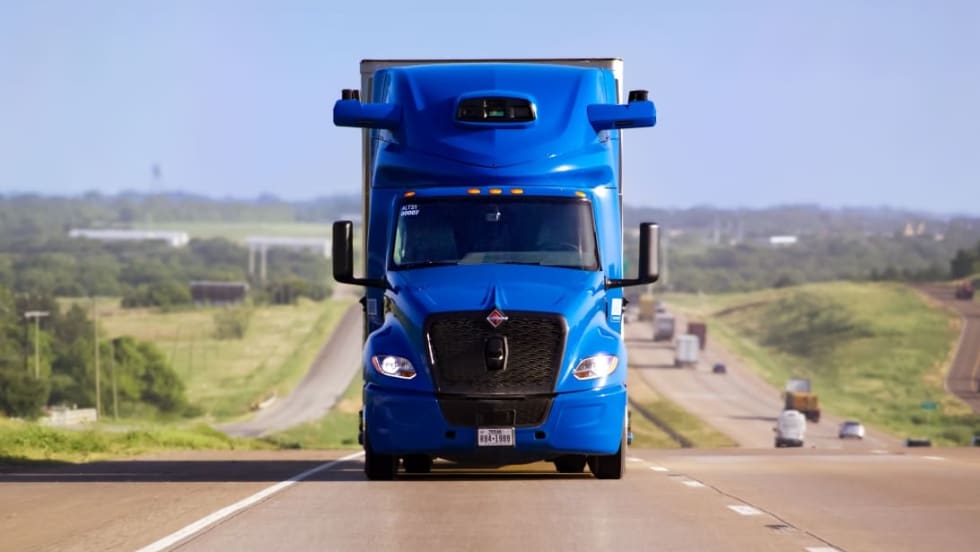
Aurora Rolls Out Next Generation of Driverless Trucks for Commercial Freight
Aurora's latest autonomous trucks it's rolling out with International feature lower-cost hardware designed for a million miles as the company expands commercial driverless freight operations across the U.S. Sun Belt.
Read More →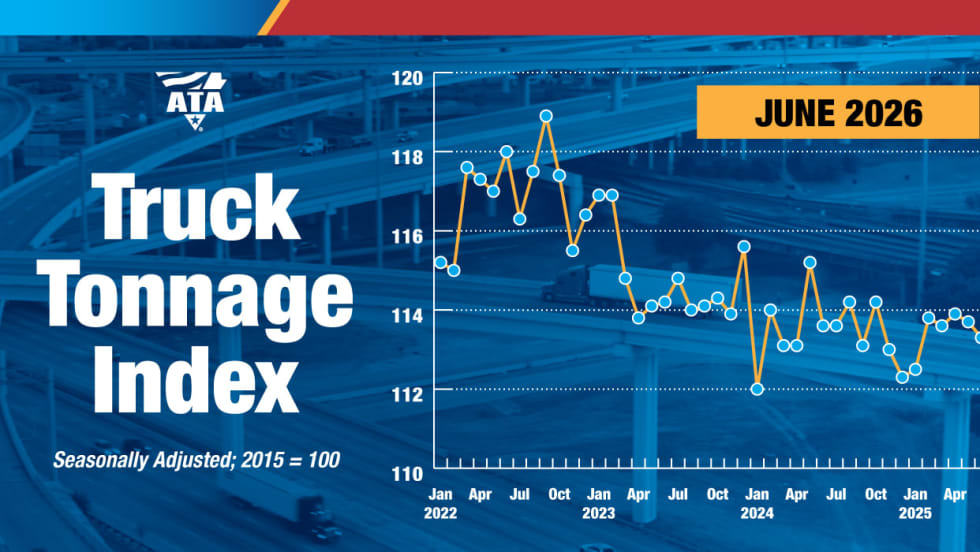
Freight Tonnage Down, Rates up, as Lower Capacity Powers Trucking Recovery
The recovery from the freight recession continues to be driven by reduction in capacity rather than by increased demand.
Read More →
Think Your Trucking Fleet Isn't Using Much AI? Think Again
Shadow AI — the use of unauthorized artificial intelligence tools at work — is becoming increasingly common, putting sensitive company data at risk. Learn how trucking fleets can protect sensitive data while embracing AI.
Read More →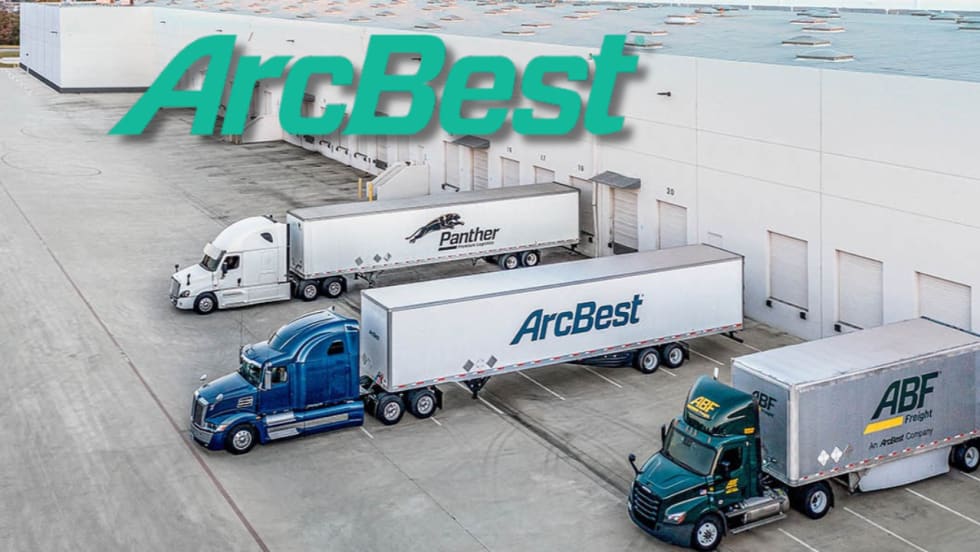
ArcBest Consolidates Brands, Cuts Workforce
The company will bring three business units under the ArcBest brand, eliminate about 2% of positions, and expects the changes to generate $40 million in annual savings.
Read More →
Trucking Fleets Faced Record Operating Costs During Third Year of Freight Recession
ATRI's annual operational cost report shows carriers trimmed fleets, delayed equipment purchases, and ran older trucks as expenses continued to outpace freight rates.
Read More →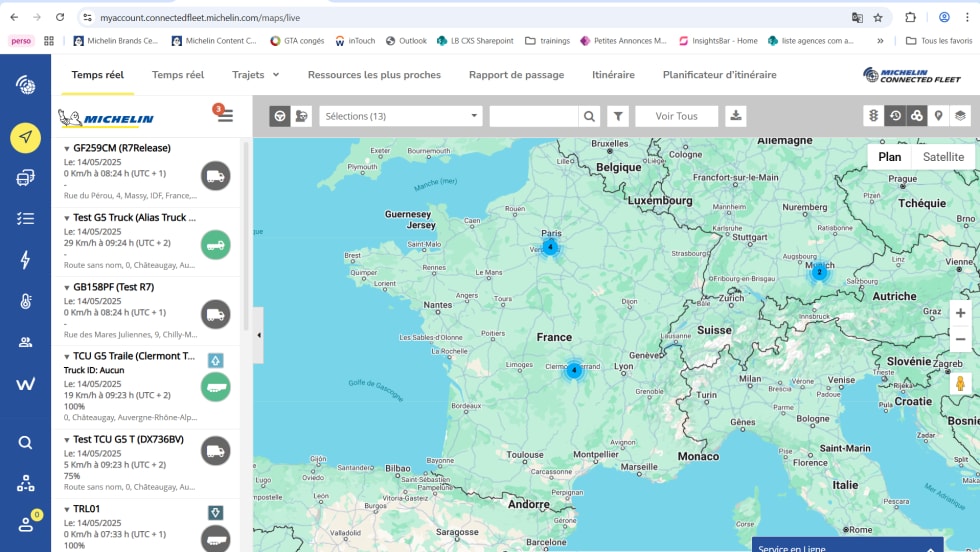
Michelin Adds AI Assistant to MyConnectedFleet Platform
Michelin’s new generative AI tool delivers instant fleet insights, helping managers analyze fuel use, tire maintenance, vehicle status, and operational performance without manually creating reports.
Read More →
LytxOne Platform Now Features AI, Compliance, and Asset Tracking Tools
New enhancements add AI-powered insights, asset tracking, compliance automation, and configurable privacy controls to Lytx's all-in-one fleet management platform.
Read More →