




Beyond the API 'Donut:' Putting a Premium on Engine Oil
Every fleet knows how important oil is to the proper operation of their vehicles, but how can they determine if upgrading to a premium oil makes sense for them?


Oil experts say fleets need to consider several factors in the oil selection process.
Every fleet knows how important oil is to the proper operation of their vehicles, but how can they determine if upgrading to a premium oil makes sense for them?
Oil experts say there are a number of factors that fleets need to consider in the oil selection process. Among those are the vehicle’s duty cycle, the fleet’s maintenance goals, product availability throughout the area where the fleet operates, services offered by the oil supplier and the quality of the oil itself.
Mark Betner, heavy-duty lubricants manager for Citgo Lubricants, explains that there are four different oil categories: fleet oil, conventional oil, semi-synthetic, and full synthetic. No one type of oil is right for everyone.
“If your engine oil drain interval is conservative and if you don’t plan on keeping your equipment for long, the fleet product will meet your basic needs,” he says.
What's the difference between conventional and synthetic engine oils?
Conventional oil is the type used most commonly by fleets today and can allow for a longer drain interval than the basic fleet oil. For more severe operating conditions and even longer drain intervals “within a more favorable price range,” semi-synthetics are an option, Betner says.
Full synthetics are either 5W-40 or 5W-30 type oils, he says, whereas today’s typical diesel engine oils are 15W-40. “Full synthetic technology allows you to spread out the viscosity range more, which improves the flow of the oil. In other words, a 15-40 is really only good down to 15 degrees, whereas a 5W-40 full synthetic oil would take you down to below minus 20.”
Lilo Hurtado, commercial vehicle lubricant applications engineer for Exxon Mobil, points out that “although lubricants account for a minor portion of a fleet’s overall cost, they play a very important part in helping fleets further their sustainability goals and also help them drive toward the lower total cost of operation.”
Fuel economy and engine protectoin
These premium, higher-performance lubricants can do this by helping a fleet improve its fuel economy. Dan Arcy, OEM technical manager at Shell Lubricants, says the company’s full synthetic oil boasts 1.6% fuel economy savings.
“If a fleet is burning 20,000 gallons of diesel fuel a year and can save 1.6%, that is 320 gallons a year times the price of fuel.” He cautions, however, that the fleet must factor in the additional cost of the synthetic oil to get the true cost saving.
Another benefit of switching to a premium oil is improved protection, according to Jim Gambill, commercial and industrial brands manager for Chevron Lubricants.
“Very good fleets that manage their drain intervals probably are at 95% compliance [in getting vehicles into the shop at the proper time.] But what about that other 5%? You want to make sure those trucks are protected too.”
He adds, “Buying a premium product buys you that protection.”
There are a number of benefits to choosing a premium oil, Hurtado says. “You can help reduce the amount of waste oil, waste filter disposal costs and the hours allocated to oil changes, all of which can help increase shop utilization rates.”
Asking the right questions
Before switching to a premium oil, fleets need to ask their oil supplier questions.
“My tagline is: ‘In God I trust, everyone else bring data,’” Hurtado says. “Absent any significant test data, fleets should be very wary of any PM service interval or fuel economy claims that are made.”
He advises fleets to ask oil suppliers to provide significant used oil analysis data from actual fleets they work with that have similar duty cycles to their own.
“Fleets need to know the source of fuel economy test data — lab bench testing or chassis dyno testing — and if a sound statistical methodology was used,” he says.
“They need to know what industry-specific tests such as SAE or the TMC fuel economy tests were used. And they should be asking for actual fleet field fuel economy testing in revenue-generating fleets.”
Arcy says fleets need to make sure the oil meets the performance specifications for the equipment they are operating.
“If they are running a Detroit Diesel, does the product meet the Detroit Diesel specs? Last year Detroit Diesel came out with a new specification allowing 10W-30 oils to be used, but not all 10W-30 oils will meet their requirements.”
Gambill says Chevron uses something called reliability-based lubrication, “where we actually try to monetize for our customers what the value is for their situation.” Demonstrated value comes from things like reduced wear, the ability to extend drains, etc.
Most fleets operate vehicles with multiple engine types and must set drain intervals based on OEM recommendations, which creates a complex maintenance schedule.
Premium oils can help fleets manage maintenance so oil doesn't become the controlling factor in maintenance decisions, Gambill believes. “It allows them to look at other factors and optimize their whole business.”
Make sure you have support
The final area a fleet should explore with a potential oil supplier is support.
Find someone who can provide assistance in understanding the best way to dispense the product, whether you need bulk tanks or drums, how to set tanks up correctly so you don't have to worry about contamination, and how to dispose of the product. Look for a supplier that gives you someone you can call to help solve any problems.
Betner cautions fleets not to just listen to the fuel economy story.
“Make sure that you hear the performance side, because everybody and his pet dog is going to be selling fuel economy,” Betner says, thanks to the upcoming government fuel economy standards for heavy-duty trucks.
“Don’t just settle for the price pitch. Force your supplier to give you intelligent explanatory options about what would be right for you.”
He does not believe that full synthetic oil is right for everyone.
“It is about life cycles, operating conditions, oil change intervals … and once your provider understands where you are on all those things, they can match you up to the right category.”
Don't forget grease
Calling grease the Rodney Dangerfield of lubricants because it gets no respect, Betner says if a fleet chooses the right grease, it can match the engine oil change intervals with its re-lube cycles.
“There is a big difference in greases out there. Some wash out early, some will leak out early, and some just don’t have the guts to stay in areas like the kingpins or U-joints. Therefore it is important that the same type of process occur with grease selection as does with engine oil selection,” he says.
Grease comes in two basic types: multi-purpose general automotive grease and synthetic grease.
“When it comes to grease, you only use 20 to 25 pounds a year per truck. The advantages you get with a full synthetic grease is it has two to three times the staying power and you probably use a third as much – so even though it is a greater investment, the return on investment is superior to that of a general automotive grease,” Betner says.
“The thing about grease is if you lube often enough, anything will work,” he adds. “Vaseline will work. But what you are looking for is the ultimate wear protection in the axle, driveline, front end and kingpin areas.”
More Maintenance

How GP Transco Builds Fuel Savings a Fraction at a Time
Aerodynamic specs, solar panels, and driver incentives help GP Transco turn small efficiency gains into savings it can reinvest in its people.
Read More →
Oil Crisis Squeezes Trucking Lubricant Supplies
Fleets report higher lubricant costs as Middle East disruptions tighten supplies of ingredients used in synthetic engine oils and some driveline lubricants.
Read More →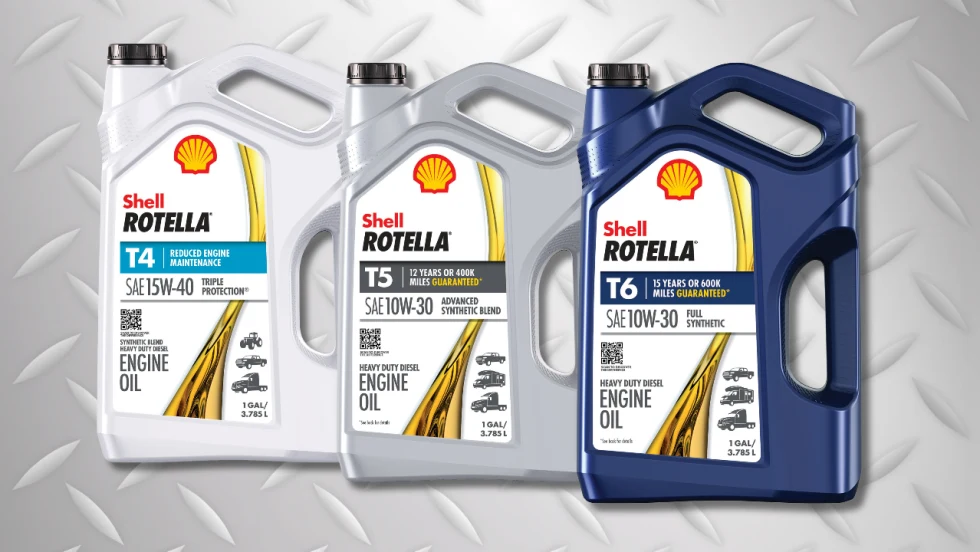
Shell Prepares Rotella Oils for 2027
New CL-4 and FB-4 formulations will begin arriving in early 2027, with improved protection against oil breakdown, wear and deposits, according to Shell.
Read More →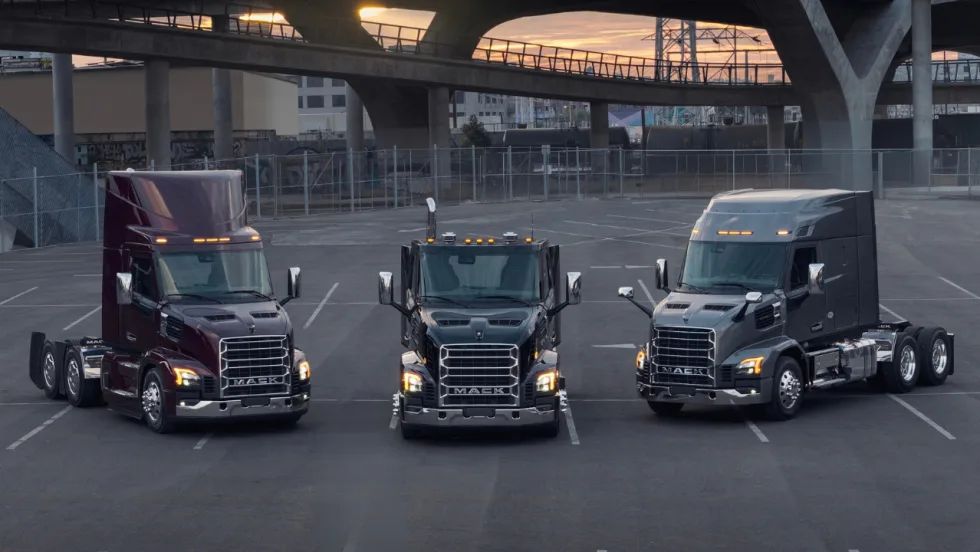
Mack Expands Extended Coverage With Four Chassis System Plans
Mack Trucks' new system-specific coverage options allow heavy-duty fleets to select protection for driveline, cab, HVAC, electronics, and advanced safety components.
Read More →
What an Out-of-Service Order Really Costs, and How to Plan for One
The repair invoice is the first number you see — and often one of the smallest. Here’s what else an out-of-service order can cost a fleet, and how planning can reduce the damage.
Read More →
International Launches Online Truck Parts Store
Fleetrite.com lets fleets and repair shops find OEM and all-makes parts, check prices and availability, and order without calling a parts counter.
Read More →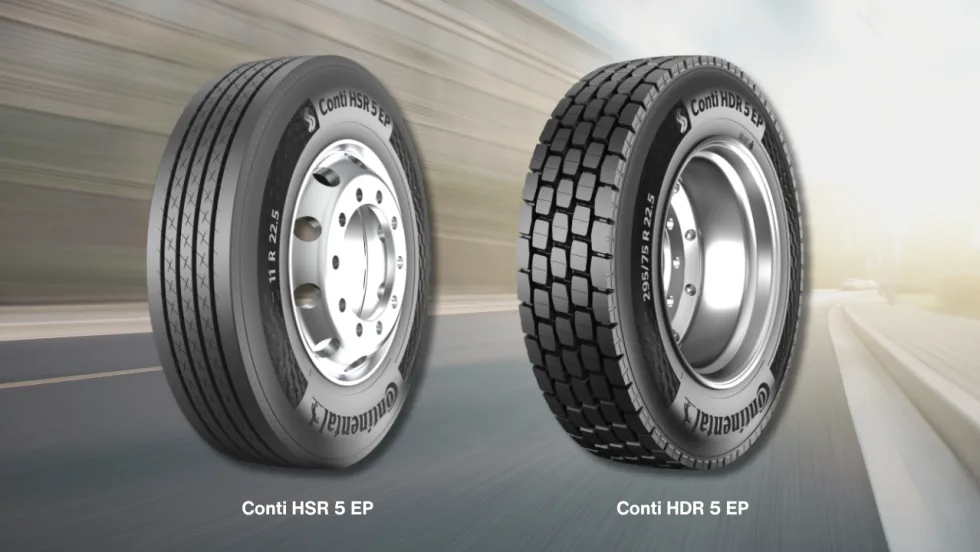
Continental Introduces New Regional Truck Tires
Continental says its new Generation 5 steer and drive tires for regional operations offer longer tread life, with estimated mileage gains of 22% and 19%, respectively.
Read More →
Color Match Smarter: Tools That Restore & Perform
For fleet managers and collision repair professionals keeping heavy-duty trucks on the road, getting the color right the first time isn't just about appearance — it's about efficiency, turnaround time, and bottom-line results. Discover how today's digital color tools are transforming the repair process from guesswork to precision.
Read More →
Wrong Repair Prompts Recall of Freightliner, Western Star 4x2 Trucks
DTNA is recalling more than 2,400 trucks that received an incompatible software fix instead of the hardware repair required to address brake valve corrosion.
Read More →
Truck Drivers Need More Than Another Alert
Fleets have more visibility into truck health, safety events, and driver activity than ever. The next challenge is turning all that information into useful guidance for the person who has to decide what to do next.
Read More →