





Related: Daimler Trucks Launches Global Electric-Truck Charging Initiative
Electric Dreams vs. Current Realities
“Diesel will be here for a long while, and [knowing] total cost of ownership remains the main motivator of acceptance for battery-electric and fuel-cell trucks.” That was the message of Sean Waters, Daimler Trucks North America’s vice president of Product Compliance and Regulatory Affairs, speaking at the Green Truck Summit.
March 5, 2020
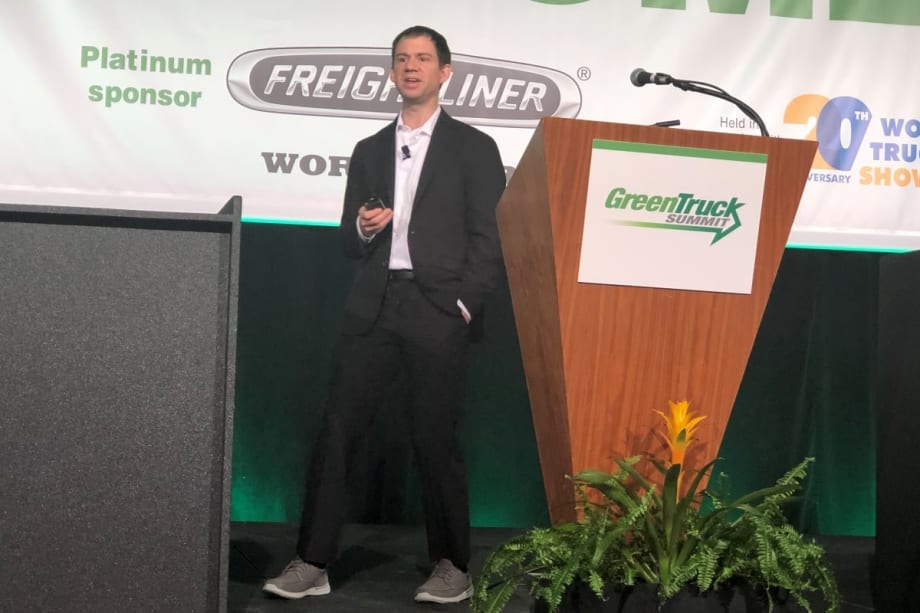
DTNA’s Sean Waters discussing what it will take to sell truck fleets on electric trucks.
Photo: David Cullen
4 min to read
Would you buy an electric truck? Or would you buy an electric truck if you could be sure you could charge it and have at least a projected total cost of ownership for it?
That question was like electricity in the air on March 3 throughout many of the sessions on alternative-power solutions at this year’s Green Truck Summit in Indianapolis, held alongside the 2020 Work Truck Show.
That’s not to say Herculean efforts and massive investments are not being made. Companies ranging from automotive behemoths in business for over 100 years to disruptive startups just a few years in existence, as well as by government agencies across the world, are attempting to harness the power of electricity to drive commercial vehicles to zero emissions at the tailpipe as soon as possible.
The electric road is coming. That’s for sure. What isn’t certain is how quickly, simply, and cost-effectively it will become the smooth highway that truck fleets would like to see themselves gliding over to reach a sustainable future.
Household names or not, OEMs and powertrain suppliers seem to be rolling out new electric trucks or electric-drive systems every week — including at this year's Work Truck Show.
And many of them are also taking pains to talk up how critical it will be to educate fleets on every aspect of operating battery-electric and fuel-cell trucks, including, most critically, how charging infrastructure must be further developed, standardized, and implemented on a massive scale.
The Main Motivator
Keynoter Sean Waters, Daimler Trucks North America’s vice president of product compliance and regulatory affairs, said at the Green Truck Summit that “diesel will be here for a long while, and [knowing] total cost of ownership remains the main motivator of acceptance for battery-electric and fuel-cell trucks.”
He also pointed out that while CO2 reduction has been a focus for decades, much progress on electric vehicles has been made in the past two years, noting that Daimer has developed such vehicles as electric school buses, the Freghtliner M2e and the eCascadia trucks in North America, and the Fuso eCanter truck globally.
“We can build an electric truck for any segment,” Waters said. But the three factors crucial to acceptance and eventual widespread adoption are the products themselves, the ability “to enable the e-mobility ecosystem,” i.e. the charging infrastructure, and seeing governmental policies and regulations put in place to support electric vehicle use.
“Where are we on commercial vehicle infrastructure?” Waters asked. “We aren’t there yet. He said truck fleets also want to be sold on the total cost of ownership for electric trucks and want to learn about how they will determine routes, maintenance requirements, and ultimately, what will happen when trucks finish their useful life.
Yet, Waters added, “I think [charging] infrastructure is the biggest concern” for fleets. He pointed out that DTNA has been focusing first on vehicles that can be centrally charged, such as P&D, regional hauling, drayage, food and beverage, and last-mile applications.
“Central charging is a game-changer,” he said, “allowing a [cleaner] solution for delivery right into your neighborhoods.”
But Waters said how quickly electric trucks expand from that centralized-charging model will depend on how quickly rapid-charging stations built to industry-standardized specs can be developed and installed where needed to increase truck range.
The Biggest Question
“That,” he said, “is the [biggest] question on the minds of buyers.” He noted that public utilities will play a big role in building out charging. “But they won’t build infrastructure for no money. The only way they are going to build it is if they can pass along the cost in rate increases.” But of course, those rate hikes have to be approved by utility commissions, and there’s no guarantees on that happening.
As for government’s part, Waters said actions here at home such as reducing the FET on electric trucks and providing incentives or rebates for early adopters “could help balance TCO” for fleets.
On a much broader scale, he expressed the hope that national governments across the globe will work faster to develop standards for electric vehicles and charging. “We have to think of [moving to zero emissions] in terms of the global family.
“We need to get better economies of scale [to accelerate electric power developments] and we can get better economies of scale if we can easily transfer technology” from one country or region to another.
Waters also said that the type of “co-creation” that comes from working closely with customers on truck design that Daimler is pursuing as it develops electric trucks is “a key to success” to bringing these vehicles to market successfully and expanding demand for them.
To that end, he noted that DTNA has launched a “customer experience fleet” to place some pre-production Freightliner eCascadia and eM2 all-electric trucks into customer hands ahead of the planned launch of these models in 2021.
More Fuel Smarts
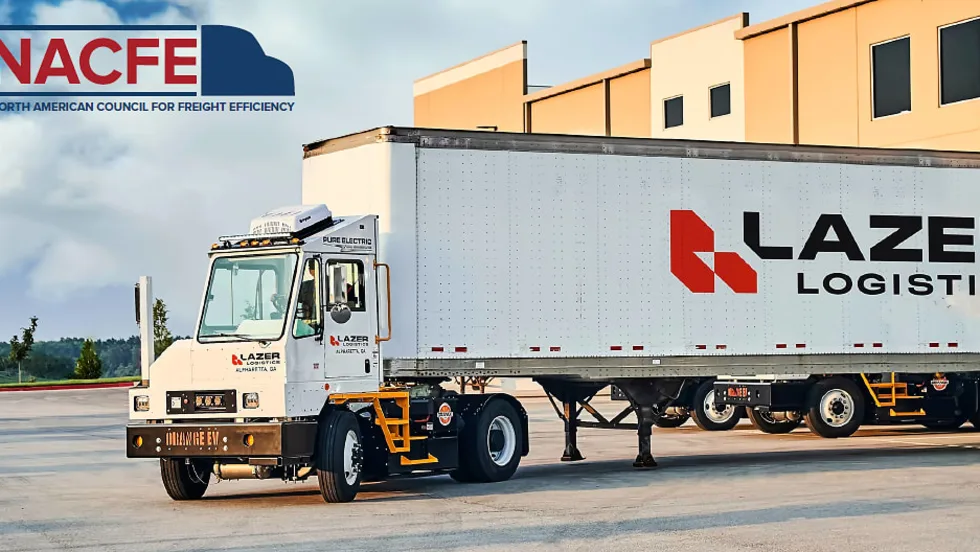
Electric Yard Tractors Move Beyond Pilots
Operating-cost savings have overtaken sustainability goals as the leading reason surveyed fleets are adopting battery-electric terminal tractors, according to new NACFE research.
Read More →
Geotab Links Fleet Card to Vehicle Data
The new card combines fuel discounts with telematics-based purchase controls. Geotab’s analysis also points to potential savings from choosing lower-priced fuel stops.
Read More →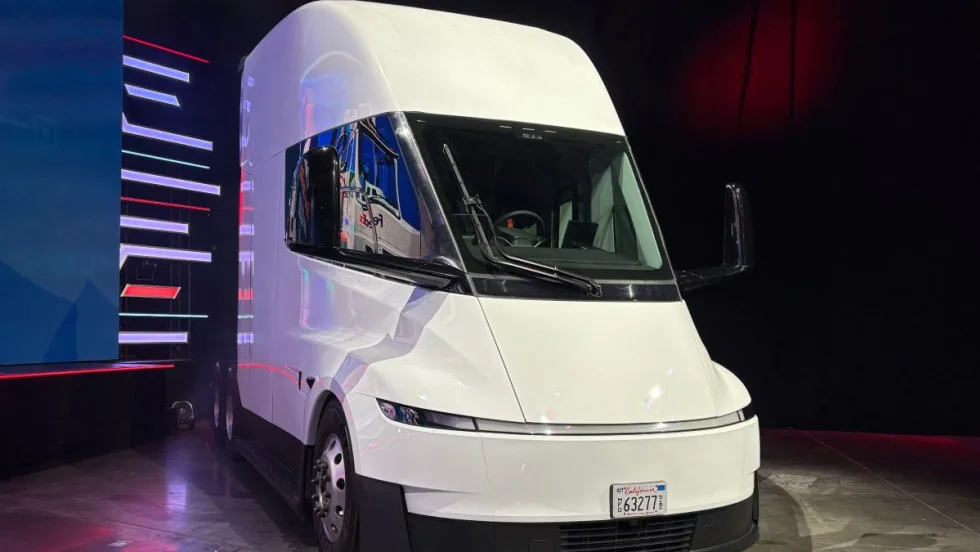
Fleet Economics Shape Electric Truck Outlook
ACT Research expects costs, charging infrastructure, and technology improvements to drive zero-emission commercial vehicle adoption as federal regulations and incentives retreat.
Read More →
Wex Adds Cardless Fuel Payments for Over-the-Road Customers
A new fuel card feature for Wex customers offers convenience and security.
Read More →
New California Law Could Shed Light on Electric Truck Prices
Why do battery-electric Class 8 trucks remain so expensive? A California bill signed by Gov. Gavin Newsom would give fleets and state agencies more visibility into what manufacturers charge.
Read More →
How Volvo Updated Its D13 for EPA 2027 [Watch]
Volvo’s updated D13 promises lower emissions without sacrificing performance or fuel economy. Take a closer look at what changed inside the engine in this HDT Spotlight video.
Read More →
Diesel Price Spike Shortens Payback for Natural Gas Trucks, Report Says
Energy Vision estimates fleets could recover the higher purchase price of an RNG-fueled Class 8 tractor in 1.3 to 2.8 years under current fuel-price scenarios.
Read More →
Calstart Becomes Catalyst Mobility, Reflecting Broader Focus
Calstart is now Catalyst Mobility, reflecting the nonprofit’s growing national role in clean transportation, including zero-emission trucks, infrastructure and incentive programs.
Read More →
Record Diesel Prices Squeeze Trucking Fleets
Average U.S. diesel prices have climbed to nearly $6 a gallon, surpassing the 2022 record as tight refinery capacity and Middle East disruptions keep fuel costs elevated.
Read More →
East Coast Port Launches $45M Electric Truck Push
The Port Authority of New York and New Jersey announced millions in incentives for zero-emission drayage trucks, yard tractors, and new charging hubs near the port.
Read More →