





Related: Goodyear Launches Online Purchasing Program for Small Fleets
Goodyear Acquires Midwest Tire Dealer
Goodyear is expanding its service footprint in the Midwest with the acquisition of the Raben Tire Company
December 16, 2019
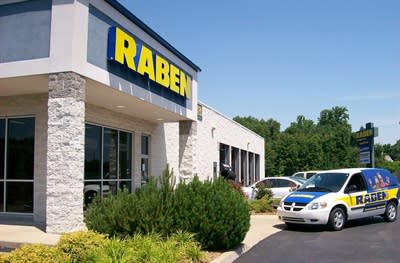
Goodyear has acquired the Raben Tire Company based in Evansville, Indiana.
2 min to read
Goodyear Tire & Rubber Co. has acquired 30 stores and will expand its retail and commercial footprint with the purchase of Raben Tire Co. Founded in 1952 and headquartered in Evansville, Indiana, Raben is one of the largest tire and service companies in the Midwest, according to Goodyear, with commercial and consumer tire and service locations and retread production plants.
“The addition of Raben further expands our network and strengthens Goodyear’s ability to serve fleets,” said Dave Beasley, vice president, Goodyear North America Commercial. “Goodyear is already one of the world’s largest operators of commercial truck service and retreading centers and has nearly 800 company-owned commercial and retail tire and auto service centers across the U.S. and Canada.”
Goodyear said Raben offers a diverse portfolio of commercial and consumer products. With its full suite of mechanical and tire services and a dedicated team of commercial vehicle technicians, Raben has serviced thousands of customers annually.
“We’re pleased to join the Goodyear family of industry-leading products and services and align with one of the most beloved and recognized brands in the world,” said Scott Cisney, CEO of Raben. “Like Raben, Goodyear puts customers at the center of everything. We look forward to increasing the availability of Goodyear products when and where customers want to buy as part of Goodyear’s aligned network of distributors and retailers.”
Raben has been owned by affiliates of Palladium Equity Partners LLC, a middle market private equity firm, since 2014.
More Maintenance

Sponsored•September 16, 2026
Color Match Smarter: Tools That Restore & Perform
For fleet managers and collision repair professionals keeping heavy-duty trucks on the road, getting the color right the first time isn't just about appearance — it's about efficiency, turnaround time, and bottom-line results. Discover how today's digital color tools are transforming the repair process from guesswork to precision.
Read More →
Wrong Repair Prompts Recall of Freightliner, Western Star 4x2 Trucks
DTNA is recalling more than 2,400 trucks that received an incompatible software fix instead of the hardware repair required to address brake valve corrosion.
Read More →
Truck Drivers Need More Than Another Alert
Fleets have more visibility into truck health, safety events, and driver activity than ever. The next challenge is turning all that information into useful guidance for the person who has to decide what to do next.
Read More →

The Maintenance Checks Trucking Fleets Should Prioritize Before Fall Freight Picks Up
Making it through August isn’t the same as being ready for the next several months of operation. Find out what systems may have suffered from summer heat and need to be checked out before fall.
Read More →
What Three Fleets Are Doing Differently When Buying Truck Parts in 2026
With freight improving but costs still climbing, fleet maintenance executives explain how they're balancing price, quality, and supplier relationships.
Read More →
Paccar Recalls 2027 Trucks Built This Summer for Possible Electrical Problem
The nearly 6,000 Kenworth and Peterbilt trucks in the recall could potentially lose engine power, among other things.
Read More →
Will API PC-12 Oil Change Trucking Fleet Maintenance?
The new API PC-12 heavy-duty engine oil category reflects the changing demands of modern diesel engines. But fleets like Foodliner are looking to getting their own data before making decisions on adopting the new oils and questions such as extending oil drain intervals.
Read More →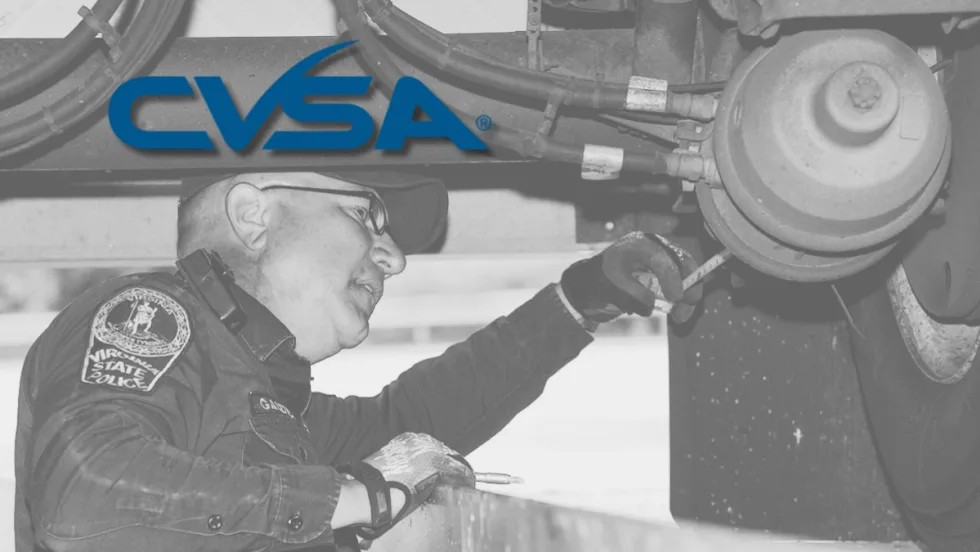
Brake Safety Week to Focus on Drums and Rotors
Commercial vehicle inspectors are focusing on truck brakes during CVSA's Brake Safety Week, August 23-29.
Read More →Possible Battery-Cable Fires Prompt Recall of 15,000+ International MV and HV Trucks
On the recalled vehicles, manufacturing variations can cause the battery interconnect cable to contact the auxiliary stud and hold down the bracket.
Read More →
Rush, MCT Team Up to Grow Refrigeration Service Network
The joint venture will operate MCT's network of Carrier Transicold dealerships and mobile service locations, with the companies promising greater service capacity and uptime for refrigerated fleets.
Read More →