




Related: Visibility, Communication Key to Shipper-Carrier Relationships
Driver Detention Remains a Balancing Act, Study Finds
Time is money in the trucking business. Yet, with carriers, shippers and brokers agreeing that detention is a problem, solving the issue is a delicate balancing act – with no side willing to take full blame.

Steven Martinez・Web Editor
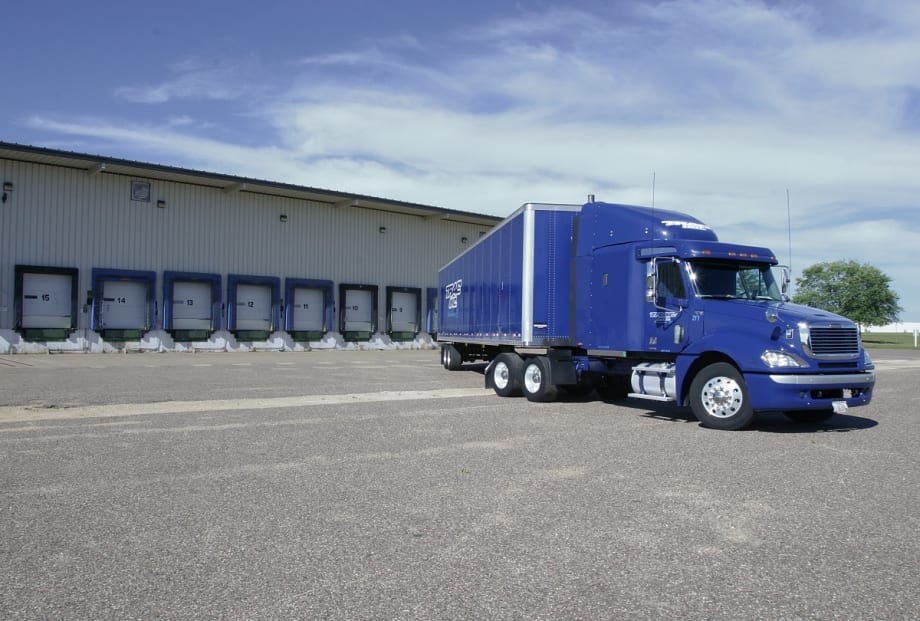
Time is money in the trucking business. Yet, with carriers, shippers and brokers agreeing that detention is a problem, solving the issue is a delicate balancing act with no side willing to take full blame.
Photo: Michelin
3 min to read
Time is money in the trucking business, and nothing hurts carriers, shippers and brokers more than wasted time. But while everyone may agree that excessive detention is a problem, solving the issue is a delicate balancing act with no side willing to take full blame.
The Transportation Intermediaries Association recently released a report examining the detention issue, talking to players on all sides. TIA interviewed shippers, brokers and carriers for the case study and found that all sides viewed detention as an opportunity to execute new policies that might remove the friction point.
Some fleets are more susceptible to detention problems than others. Those with a length of haul greater than 500 miles will likely only encounter detention once, at the very end of a trip, while regional haulers could encounter it several times a day. Refrigerated loads were also found to have more negative detention experiences.
On the carrier side, fleets such as Navajo Express told TIA that they are finding that its customers are getting worse about getting loads in and out in a timely manner, while simultaneously resisting paying penalties for detention.
Detention pay is one way that some fleets are trying to recoup some of that lost time. Generally, TIA found that most parties agreed that detention longer than two hours should be a billable event.
Shippers might not want to pay the extra costs, especially since to avoid detention would require paying more for labor at facilities. However, Del Monte Foods found that when it changed its detention pay policy from three hours to two hours, overall transportation costs decreased, due to fewer detention charges and being able to negotiate more favorable rates with carriers.
In order to charge for detention, fleets and customers are using a variety of methods to track it. Some participants in the report tracked it by hand, asking drivers to sign off on the time shown to verify accuracy.
Others use more sophisticated methods such as asset tracking sensors. Carriers commonly use geofencing to track when trucks arrive and leave the grounds of a facility. A side benefit to more sophisticated tracking methods, the study found, was that fleets and shippers were able to be more proactive about resolving detention problems in the moment.
Of course, detention times can have causes other than understaffed or overworked facilities. Scheduling accuracy was a huge point of contention for the study. Shippers didn’t want trucks arriving hours late or hours early.
Some shipper participants in the study flat out refused to pay detention if a truck arrived 30 minutes late. Del Monte Foods only allowed a 15-minute window before the company refused to pay detention. Some companies offered forgiveness on the policy if fleets notified the facility of a late arrival at least four hours out.
The study also looked at the strategy of carriers and 3PLs using drop-and-hook trailer pools at customer locations. However, the strategy requires a large investment from the fleet and also requires them to track dropped trailers so they aren’t sitting unused or being taken advantage of by customers.
With ELDs tracking hours more strictly and a looser freight environment removing some of the power from carriers and 3PLs to only take the best shipments, detention is a problem that is going to be around for a while, according to the study. However, as Del Monte Foods’ vice president of transportation and logistics says in TIA’s report, “At the end of the day, I need reliable carriers, drivers and equipment. You’ve got to let your walk match your talk.”
Read TIA’s full case study here.
More Fleet Management

Sponsored•September 1, 2026
How Telematics Improves Visibility, Control, and Performance in Refrigerated Fleets
Explore how telematics help refrigerated fleets improve visibility, uptime, efficiency, compliance, and cargo protection across connected cold chain operations.
Read More →
What the U.S.-Canada Trade War Means for Trucking
Escalating U.S.-Canada tariffs could disrupt cross-border freight, reduce truck volumes, raise costs, and create new uncertainty for carriers on both sides of the border.
Read More →
What Are Trucking’s Top Concerns for 2026?
The American Transportation Research Institute wants to know what's worrying trucking fleet managers, drivers, and other stakeholders in its annual Industry Issues survey.
Read More →

American Trucking Associations Looks for a New Leader
ATA President and CEO Chris Spear abruptly left his job at the association on August 21, at a pivotal time for the trucking industry.
Read More →
Public Wi-Fi Cybersecurity Risks: How Truck Drivers and Fleets Can Protect Their Data
Public Wi-Fi can expose truck drivers and fleets to credential theft, malware, and other cyber threats. Here’s how to reduce the risk on the road.
Read More →
For Nicky Cupp, Fleet Innovation Starts With Frustration
HDT Truck Fleet Innovator Nicky Cupp turns everyday pain points at Fraley & Schilling into opportunities for better technology and smarter processes.
Read More →
Adam Buttgenbach’s Approach to Electric Trucks: Start With Where They Fit
HDT Truck Fleet Innovator Adam Buttgenbach helped PepsiCo build one of North America’s largest EV fleets by focusing on where electric trucks make operational sense.
Read More →
Deen Albert: Let Automation Do the Math, People Make the Decisions
HDT Truck Fleet Innovator Deen Albert makes sure people are still at the heart of operations at Grand Island Express, even while adopting artificial intelligence tools. AI-assisted dispatch helped boost revenue 25% with the same number of trucks.
Read More →
Trimble’s New AI Agent Takes Aim at Fleet Back-Office Busywork
Arc Agent works across Trimble TMS products to automate repetitive tasks such as freight orders, maintenance, invoices, fuel costs and more.
Read More →
How HDT’s 2026 Truck Fleet Innovators Are Rethinking Fleet Operations
Meet five trucking leaders who are challenging assumptions, solving operational problems, and putting innovative ideas to work.
Read More →