





Schneider National’s brief flirtation with last-mile home delivery has come to an end.
Schneider to Shutter Final Mile Delivery Business
Schneider National is shutting down its three-year old Final Mile Delivery business unit.
August 6, 2019
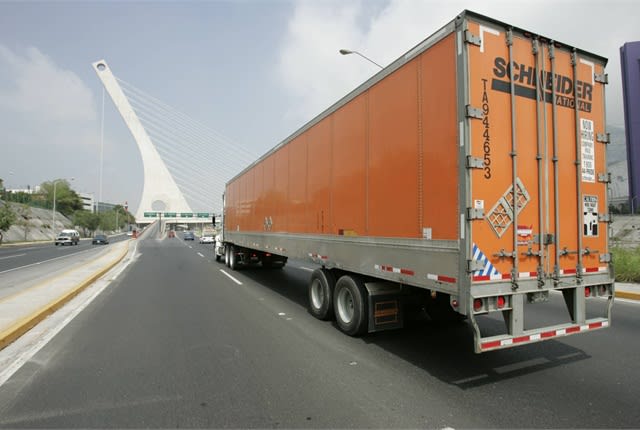
Schneider said the shutdown of its Last Mile Delivery business unit would affect 26 terminals dedicated to the business, but that it would try to place workers affected by the shutdown with other parts of the company.
Photo: Schneider National
2 min to read
According to various news reports and reporting by Paul Page at the Wall Street Journal, the Green Bay, Wisconsin, carrier is getting out of the Last Mile home delivery market of appliances and other oversized goods. According to Schneider officials, the attempt to tap into a consumer market fueled by growing e-commerce demand simply hasn’t worked out.
Company officials said that by the end of the year it will wind down operations in the First to Final Mile, or FTFM, business that it launched with two acquisitions three years ago.
“This decision followed a careful assessment of the near and longer-term prospects and alternatives,” Mark Rourke, Schneider’s chief executive, said in a press statement.
Schneider was one of several large fleets to experiment with the growing last-mile market, which specializes in fast delivery of goods purchased online. As that trend has evolved, consumers have grown more comfortable ordering larger, more expensive items online as well, such as appliances, exercise equipment, and furniture.
Schneider National, one of the largest U.S. carriers in a truckload sector that serves retailers and manufacturers, jumped into the business in 2016 by buying two specialty providers, Lodeso and Watkins & Shepard Trucking, for undisclosed sums.
Home delivery has been a difficult proposition for cargo carriers. E-commerce expansion has pushed millions of new packages into parcel networks, but carriers have struggled with the high costs of the larger number of packages bound for residences. UPS and FedEx have been seeking to set up centralized pickup and drop-off locations to reduce the costs and complications of residential parcel delivery.
Logistics experts say home delivery is especially difficult for trucking companies that are more focused on industrial distribution.
Schneider said the shutdown would affect 26 terminals dedicated to the business and that it would try to place workers affected by the shutdown with other parts of the company.
The company disclosed the shutdown as it released second-quarter earnings that included a 48% decline in net profit, to $34.5 million, on declining revenue in its core truckload business.
More Fleet Management
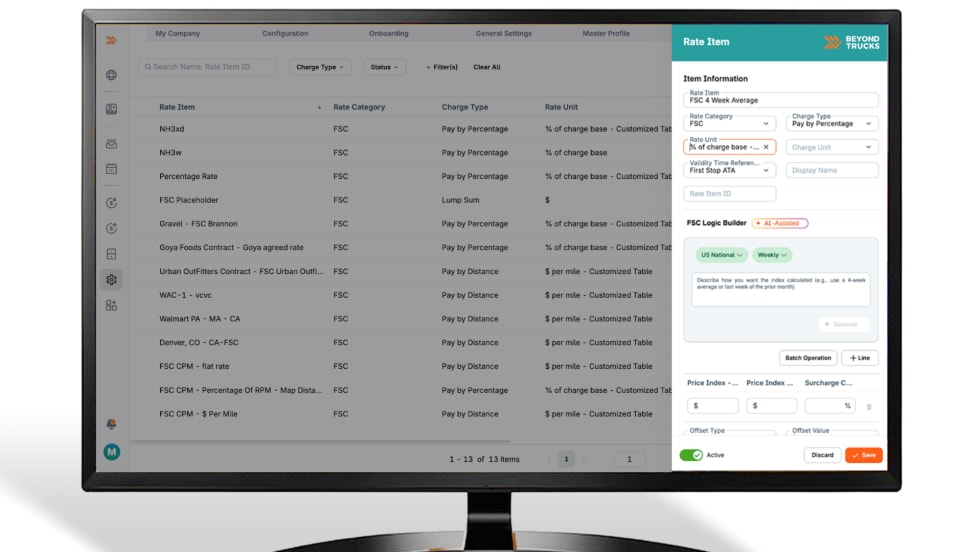
BeyondTrucks Targets Rate Complexity with New AI RateAgents
BeyondTrucks says its new RateAgents can turn plain-language rate logic into working code, starting with fuel surcharges — a critical but notoriously complex piece of carrier revenue.
Read More →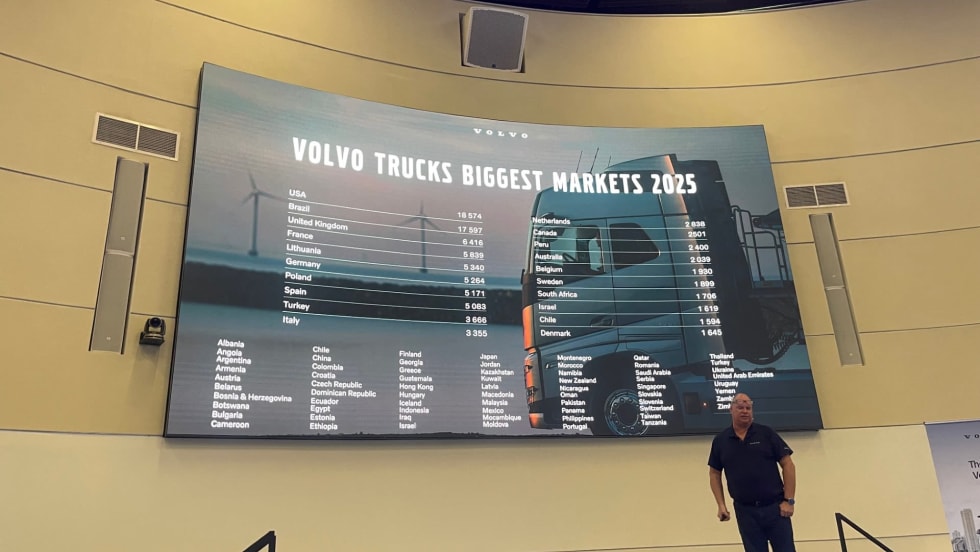
Volvo Sees Market ‘Tipping Point’ as New VNL Orders Surge
Soft freight conditions persist, but aging fleets, strong order intake, and new-product momentum signal a more optimistic second half of 2026, Volvo Trucks North America says.
Read More →
Cargo Theft’s New Playbook: Strategic Fraud, Double Brokering, and Cybercrime Hit Trucking
Cargo theft is evolving from regional smash-and-grab operations to sophisticated fraud schemes. Strategic theft now accounts for roughly a third of cargo crime, with incidents rising sharply in recent years. Here’s how the schemes work — and what fleets can do to protect themselves.
Read More →
HDT Honors the Best New Products of 2025 at TMC [Photos]
Heavy Duty Trucking's Top 20 Products awards recognize the best new products and technologies. Check out the award presentations at the 2026 Technology & Maintenance Council annual meeting.
Read More →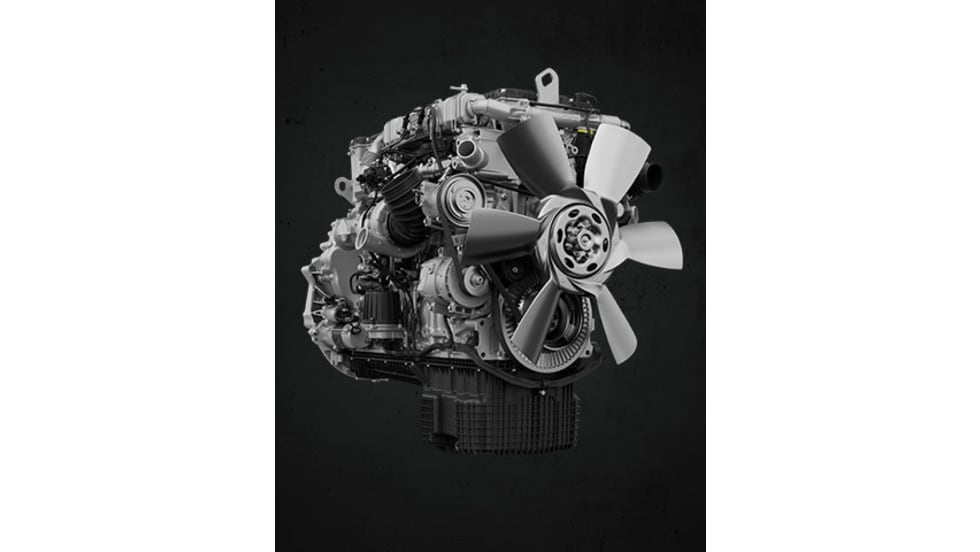
Sponsored•March 31, 2026
Detroit Engines: Trusted Performance, Built for What's Next
The Detroit® Gen 6 engine platform proves that real progress doesn’t require a complete redesign. Built on 20 years of trusted technology, these engines are designed for efficiency, stronger performance, and greater reliability than before. And they do it all while complying with 2027 EPA standards on every mile.
Read More →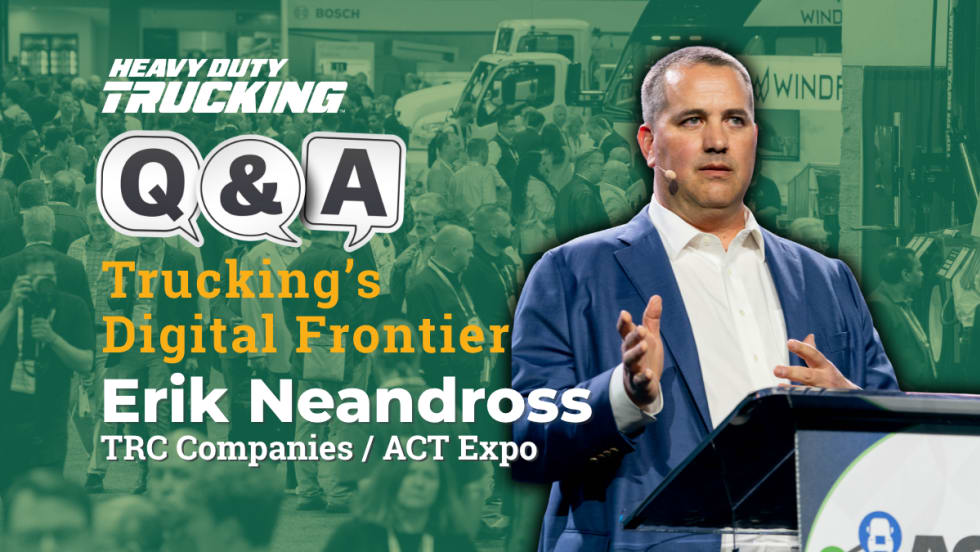
Q&A: What's Real in Advanced Truck Tech? ACT Expo's Erik Neandross Weighs In
The 2026 ACT Expo is focusing heavily on what organizer Erik Neandross calls trucking's digital frontier. This interview excerpt dives into artificial intelligence, zero-emission vehicles, and tips to make sense of it all.
Read More →
Trucking's Digital Frontier: AI, Connected Vehicles, Alternative Fuels and More
There's an amazing amount of new technology for trucking out there. For fleets, the challenge is figuring out what’s real, what’s hype, and what’s worth investing in.
Read More →
What's Real in Advanced Truck Technology? ACT Expo's Erik Neandross Weighs In
Artificial intelligence, the software-defined vehicle, telematics, autonomous trucks, electric trucks and alternative fuels, and more in this HDT Talks Trucking interview
Read More →
ACT: Trucking Volumes Rise, Capacity Tightens as Fuel Prices Cloud Outlook
ACT Research data shows volumes hitting a four-year high and supply-demand balance strengthening, but higher oil prices are undercutting tariff relief and tempering optimism.
Read More →
Wabash Teams Physical Security With Digital Tech For Better Cargo Visibility
The patent-pending cargo solution integrates a digitally connected cargo door and an intelligent locking system with the TrailerHawk.AI technology platform.
Read More →