




How to Choose the Right ELD Before the AOBRD Sunset
For regulated fleets that are currently using AOBRDs, the transition to an ELD is a big, necessary step that shouldn’t be taken lightly. There are the four steps you need to take to successfully make the transition.


Photo: Getty/Saklakova
Since 2017, fleets with automatic onboard recording devices (AOBRDs) have been on a countdown to the date when they’ll be required to implement electronic logging devices (ELDs). The Dec. 16, 2019, deadline is fast approaching, and there’s every indication that the Federal Motor Carrier Safety Administration (FMCSA) will not delay or have a “soft” enforcement period for fleets that need to transition from AOBRDs to ELDs.
However, there’s no need to panic. Time is getting short, but being calm, cool, and collected while keeping an eye on the calendar allow you to make right decision about an ELD provider the first time.
Following are the four steps you can take to layout the foundation for a success transition from an AOBRD to an ELD.
Take Stock of Your Hardware
Before you consign your AOBRD hardware to the recycling pile, check with your equipment provider to see if it meets the FMCSA’s technical standards.
If this is the case, and your AOBRD software provider has a technically compliant and compatible ELD solution, you may be able to make the transition with a simple software update. This will significantly cut both the time and cost associated with a transition — particularly by avoiding a hardware installation, which requires careful planning and coordination, and the realization that large numbers of the fleet may be out of service and not producing revenue at any given time during the implementation.
If this isn’t the case and you need to also factor in hardware installation into the transition process, then you’ll at least have a fuller picture of what will be involved in your move from AOBRDs to ELDs. You’ll have a better sense of how and what you need to plan for.
In either case, don’t assume your AOBRD hardware is ELD compliant. Making this kind of assumption could mean significant delays and unpleasant surprises down the line, and could impact the fleet’s ability to adhere to the ELD regulations on time, which will likely result in violations, drivers out of service, or fines.
Knowing the extent of the transition you’ll need to make will help narrow down the field of providers to those that will be the best partner to keep you compliant.
Research Providers
It is advised that you choose ELD partners from the list of self-certified providers on the FMCSA website. While there is no guarantee that all of these providers, indeed, have compliant software that meet the technical requirements of the ELD regulations, most if not all of the major ELD and telematics providers are represented on this list. Keep in mind, not every provider is created equal, and not every provider will be the right partner to keep your drivers compliant and on the road.
Beyond meeting the technical requirements of the ELD regulations, it’s important to choose a partner whose culture aligns with yours. Fundamentally, your goal should be to choose a partner with an established reputation and proven ability to provide consistent coverage, meet any technical challenges, and an ability to grow — such as bundling the ELD with a compatible telematics solution — with you as the needs of your organization evolve and new technologies are made available.
While it might be tempting to make your choice based on price alone, it can be risky to settle on a low-cost ELD solution that could result in the need to switch providers, replace the solution, and re-start a lengthy (and expensive) implementation process. It may also cause significant compliance headaches as the fleet transitions to a new provider.
An established provider may cost more initially, but the investment is sure to pay off through benefits, including reliable and ongoing customer training and support, a progressive mindset that inspires innovation, the ability to integrate with other telematics or fleet management products, and a proven track record that gives you peace of mind.
Take the Solution for a Test Drive
Before making a final decision, ask the provider to perform a comprehensive demonstration for you, your team, company stakeholders, and drivers to determine if the solution will:
Meet the needs of the fleet and the company: Will the solution keep your fleet in compliance?
Is user friendly and intuitive: Is it easy to use by drivers and back-office personnel alike? Is there training available?
Has display and reporting features that meet the day-to-day requirements of the ELD regulations: Can the reports be easily displayed or printed for inspectors?
Is reliable and robust: If the solution goes down, will the provider support it?
Has the functionality to integrate with other fleet management solutions: How will the ELD solution interface with the company’s other fleet management and office solutions, such as telematics?
If possible, you may want to consider doing a pilot your top two or three provider finalists using a small, randomly selected, but statistically significant number of your vehicles.
At the end of the pilot period, review how well the solution worked, its reliability, and if it met the technical standards and reporting requirements of the ELD regulations. If there were any interruptions in service or if drivers or back office staff had any difficulties, determine how well the provider supported the product, your drivers, and back-office staff.
During this period, you should also ask the provider for customer references who will honestly discuss their experience with the solution and the provider. You should also read online reviews and check with the better business bureau for any complaints against the provider.
Doing your due diligence before implementation is crucial for compliance on day one.
{incontentformtoken}
Plan for Implementation
Choosing the right solution and the right provider partner is crucial, but at the same time you need to plan for the implementation.
During the first ELD implementation wave in 2017, many fleets found that they severely underestimated the amount of time it was going to take to implement and train drivers and back office staff.
Implementation timing should be one of your top priorities when interviewing potential providers. If they were involved in a 2017 implementation, they should be able to give you a realistic timeline for both the equipment installation and training.
Training is crucial and can’t be underestimated. Under the ELD regulations both drivers and back office staff are required to have a thorough knowledge of all aspects of ELD operations. If it’s determined during a roadside inspection that a driver doesn’t know how to use his or her ELD solution, then they will likely receive a citation, a fine, and/or be put out of service. If during an audit back office staff also demonstrate they are unsure how to use the fleet’s ELD solution, they will, likewise, be cited and the fleet receive a fine. These fines could be substantial.
Panning and preparing for implementation at every point along the implementation journey may not make the transition less challenging, but it will likely mean that the fleet successfully meets the December 2019 deadline and remain in compliance.
That’s why, when you’re evaluating a provider you should determine if the provider has a future and is in business for the long haul? This is an important question to answer, since it gets to the heart of the whether the ELD provider is the right fit for your operation. If you get a sense that the provider is simply trying to “move” product without supporting it and, more importantly, viewing its business relationships as anything other than just a transactional arrangement, you should probably look elsewhere for a solution.
A provider who is invested in its fleet customers for the long run will create a win-win environment for both provider and customer.
Get Going and Keep Going
While you shouldn’t rush into implementing an ELD solution, at the same time there is a looming hard deadline, so a wait-and-see approach is not an option. If you decide to delay, your drivers, your fleet, and your company will face serious obstacles, including not being in compliance, risking a violation, being put out of service, and even an audit by FMCSA investigators. The best course of action is to get going and keep going.
To get started, compare prices from top ELD suppliers at Businessfleet.com.
More Electronic Logging Devices (ELDs)
How Fraley & Schilling Improved Logbook Compliance by Over 50%
Fraley & Schilling needed a way to close a compliance workflow gap in its ELD system without adding more work from driver training, reminders, and back-office follow-ups. It found the answer in a custom driver app.
Read More →
The Hidden Problem Behind FMCSA's ELD Revocations
NMFTA researchers say dozens of registered ELDs may be built on the same software platforms, allowing compliance and security concerns to persist even after individual devices are removed from the market.
Read More →
Basic Tracking vs Next Generation Fleet Technology
Fleet software is getting more sophisticated and effective than ever, tying big data models together to transform maintenance, safety, and the value of your existing tech stack. Fleet technology upgrades are undoubtedly an investment, but updated technology can offer a much higher return. Read how upgrading your fleet technology can increase the return on your investment.
Read More →
The ELD Hacking Threat: Q&A with Serjon's Urban Jonson
Electronic logging devices are easy prey for hackers looking to gain access to your fleet's data and IT systems. Urban Jonson with Serjon tells HDT what bad actors hope to achieve by hacking into ELDs and how fleets can protect themselves.
Read More →
How Trucking Fleets Can Get Control of False Driver Logs [Video]
Truck driver log falsification violations can lead to out-of-service orders, fines, bad federal safety scores, failed DOT audits, civil penalties, even nuclear verdicts. What can motor carriers do?
Read More →
FMCSA Revokes 10 ELDs
Ten more electronic logging devices have been removed from the Federal Motor Carrier Safety Administration's list of registered ELDs fleets and drivers can use to meet the mandatory ELD regulations.
Read More →
FMCSA Removes 2 ELDs from List of Registered Devices
The Federal Motor Carrier Safety Administration has removed Falcon ELD and KSK ELD from its list of registered, self-certified electronic logging devices.
Read More →
FMCSA Outlines Plans for Driver Detention Study
The Federal Motor Carrier Safety Administration plans to study driver detention, expecting approximately 80 carriers and 2,500 drivers to provide data.
Read More →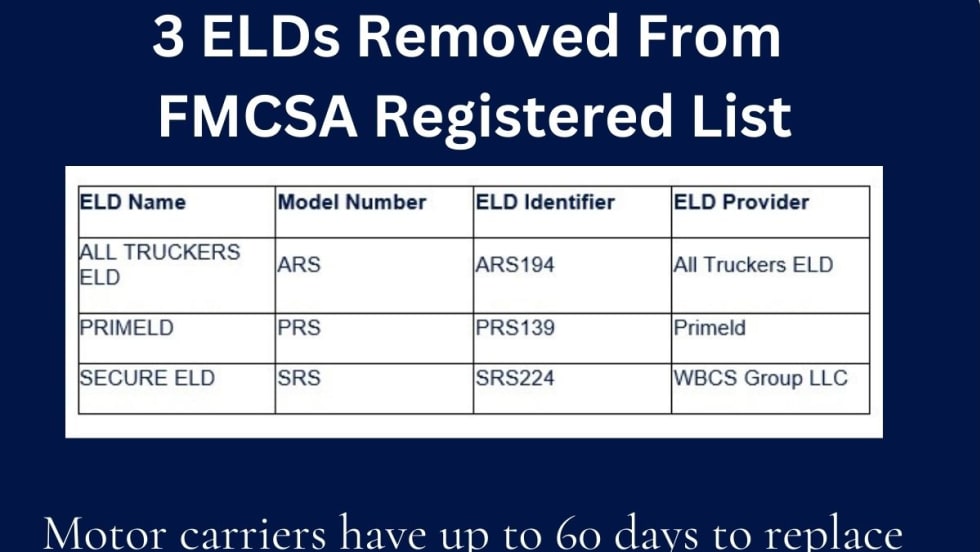
FMCSA Removes 3 ELDs from Approved List
The Federal Motor Carrier Safety Administration has placed three more electronic logging devices on the Revoked Devices list after they failed to meet the minimum requirements.
Read More →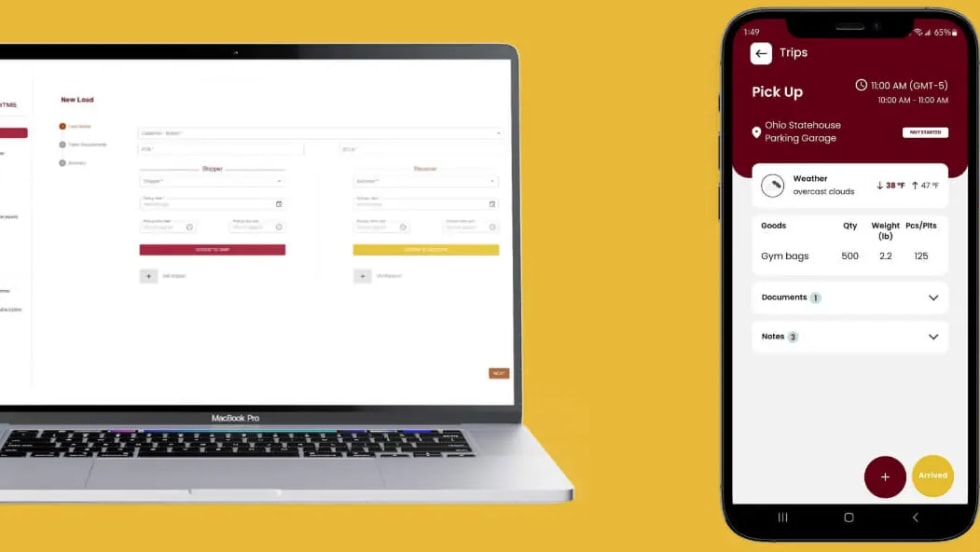
New Transportation Management System for Small Fleets
T3 Tech launches TrueTMS, a transportation management system for small trucking fleets.
Read More →