




Do Grille Guards Catch Wind?
One might wonder what impact all that heavy metal stuck out in front of the highly aerodynamic profiles honed by truck makers can have on cheating the wind.

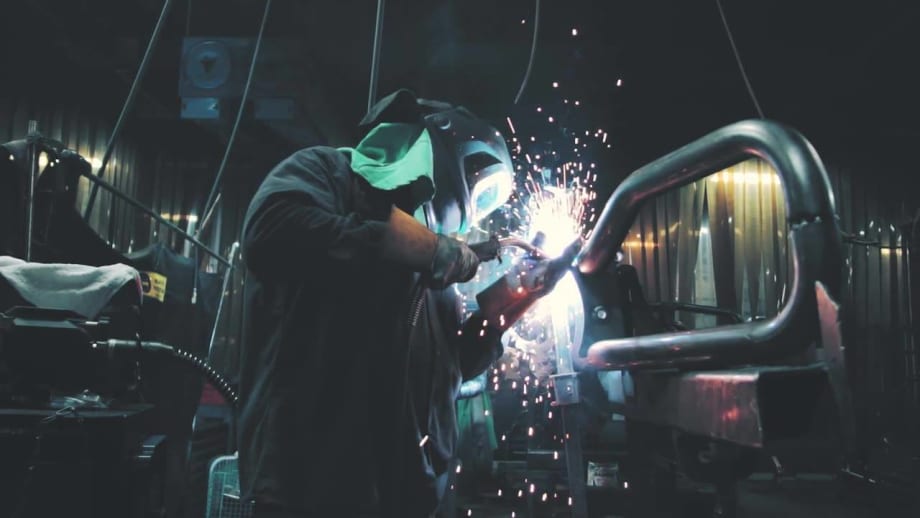
Fuel-economy testing shows thatgrille guards can be strong yet slippery.
Photo: Ex-Guard Industries
It’s hard to argue against the logic of mounting a stout “bull bar” or “moose bar” (pick the name by the variety of large beast that most often gets in the way of your trucks running the roads) to protect the nose of an expensive tractor.
On the other hand, one might wonder what impact all that heavy metal stuck out in front of the highly aerodynamic profiles honed by truck makers can have on cheating the wind to save fuel. By the way, the preferred marketing terminology for these modern-day cow catchers is “grille guards.”
To get back to the question out front, at least one answer has come down the pike of late.MVT Solutions, a provider of fuel economy testing and design and development services for the trucking industry, has reported that its evaluation of two grille guard models indicates they provide protection from front end damage to a truck while having “little to no negative impact on the truck’s overall fuel efficiency.”
“Our testing found the Ex-Guard LT-325 grille guard [manufactured by Ex-Guard Industries] had no discernable effect on fuel economy while the LT-350 had only a small negative impact of -0.51%, which is a smaller impact than the tractor’s side mirrors,” stated Daryl Bear, lead engineer and COO of MVT Solutions, in a news release.
“The results are what we expected based on feedback from fleets that already use our product, but we asked MVT Solutions to quantify the fuel consumption impact of our grille guards in an attempt to completely alleviate any concerns about mpg loss with our guards,” said Dennis Geipel, Ex-Guard regional sales manager.
“We chose MVT Solutions for these trials because of their reputation in fuel economy testing and wanted to eliminate any questionable variables that might have remained,” he continued.
For the Ex-Guard evaluations, MVT Solutions ran two test vehicles simultaneously at 65 mph on a 9-mile circle track. The 2019 International LT models were spec’ed with Cummins X15 engines and Eaton 10-speed automated manual transmissions. The tractors pulled 53-foot Hyundai dry vans equipped with Michelin Energy Guard aerodynamic systems, and both tractors and trailers were fitted with single wide-base tires.
“Typically, interfering with the airflow on a vehicle can impact fuel economy significantly,” said Bear. “However, Ex-Guard products minimize their effect on aerodynamic drag because they are mounted several inches away from the front of the vehicle and are designed with round tubing, allowing air to continue flowing.
“Ex-Guard grille guards are not a fuel-saving product,” he added, “but our testing should provide fleets with the confidence to consider their use based on maintenance and operational costs as opposed to fuel economy losses.”
More Fuel Smarts

How Volvo Updated Its D13 for EPA 2027 [Watch]
Volvo’s updated D13 promises lower emissions without sacrificing performance or fuel economy. Take a closer look at what changed inside the engine in this HDT Spotlight video.
Read More →
Diesel Price Spike Shortens Payback for Natural Gas Trucks, Report Says
Energy Vision estimates fleets could recover the higher purchase price of an RNG-fueled Class 8 tractor in 1.3 to 2.8 years under current fuel-price scenarios.
Read More →
Calstart Becomes Catalyst Mobility, Reflecting Broader Focus
Calstart is now Catalyst Mobility, reflecting the nonprofit’s growing national role in clean transportation, including zero-emission trucks, infrastructure and incentive programs.
Read More →

Record Diesel Prices Squeeze Trucking Fleets
Average U.S. diesel prices have climbed to nearly $6 a gallon, surpassing the 2022 record as tight refinery capacity and Middle East disruptions keep fuel costs elevated.
Read More →
How Fuel Delivery Shapes Engine Performance
Fuel delivery depends on more than what happens at the injector. For fleet, maintenance and technical professionals, looking at the full path from pump to injector can provide useful context for understanding engine performance.
Read More →
East Coast Port Launches $45M Electric Truck Push
The Port Authority of New York and New Jersey announced millions in incentives for zero-emission drayage trucks, yard tractors, and new charging hubs near the port.
Read More →
California Bill Could Shed Light on Electric Truck Prices
Why do battery-electric Class 8 trucks remain so expensive? A California bill headed to Gov. Gavin Newsom would give fleets and state agencies more visibility into what manufacturers charge.
Read More →
Detroit Opens Orders for EPA 2027 Engines
Detroit isn’t starting from scratch to meet EPA 2027 diesel emissions standards. Its Gen 6 DD13 and DD15 engines keep much of today’s platform while updating the fuel and aftertreatment systems.
Read More →
Zero-Emission Truck Corridor Planned for West Coast
California, Oregon, Washington, British Columbia and Baja California are coordinating plans for truck charging and hydrogen fueling from Canada to Mexico.
Read More →
A Closer Look at Kenworth’s Electric T880E Vocational Truck [Video]
Learn more about Kenworth's T880E battery-electric vocational truck at the Paccar Technical Center, including its range, applications, upfitting considerations, and PTO options, in this HDT Spotlight video.
Read More →