





Related: More Details Emerge on New Autocar Conventional Truck
Autocar's New Conventional Truck to Get Bodies on Assembly Line
Autocar said its Power of One integration body installation processes shows a substantial improvement in uptime and reliability for refuse fleets in the first 90 days of truck ownership.
June 11, 2019
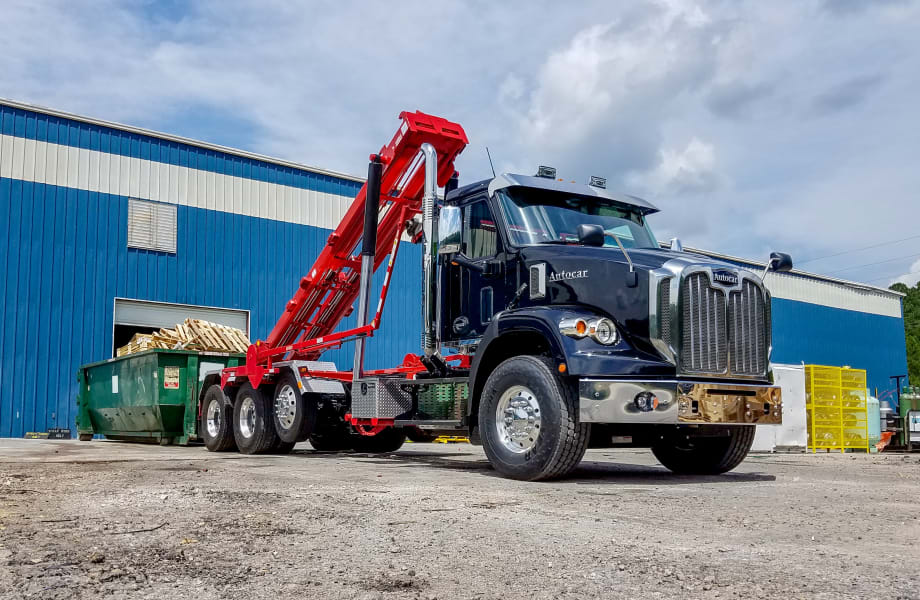
Autocar announced it is mounting roll-off hoist bodies directly on its new conventional Autocar DC truck production line.
Photo: Autocar
3 min to read
Autocar announced it is now mounting refuse and other vocational bodies directly on its new conventional Autocar DC on the production line. The company said this is an “unprecedented” change to the model of refuse truck production, bringing together the two main components – the chassis and the body -- and treating the truck as one complete tool. Autocar calls this process the Ultimate Power of One and said refuse truck operators will experience several significant benefits from this innovation.
“We’ve always known that improving the integration of our refuse truck chassis and refuse bodies is essential to reducing our customers’ downtime,” explained James Johnston, president of Autocar. “So flawless integration is a key aspect of our Always Up mission. We decided to take responsibility for building the truck as one compete tool. When we engineer the truck as a complete tool and mount body components right on the Autocar production line, we call that ‘Power of One’.”
Autocar introduced Power of One integration on the ACX cabover truck recently, and data reported by truck operators for the first 90 days in service shows a substantial improvement in uptime and reliability, the company said. The Power of One integrated trucks also demonstrated cost savings not only from avoided repairs but also from other downtime-related costs such as lost driver hours and towing that were eliminated, Autocar said. As a result, the company said it will offer Power of One integration with all refuse body manufacturers.
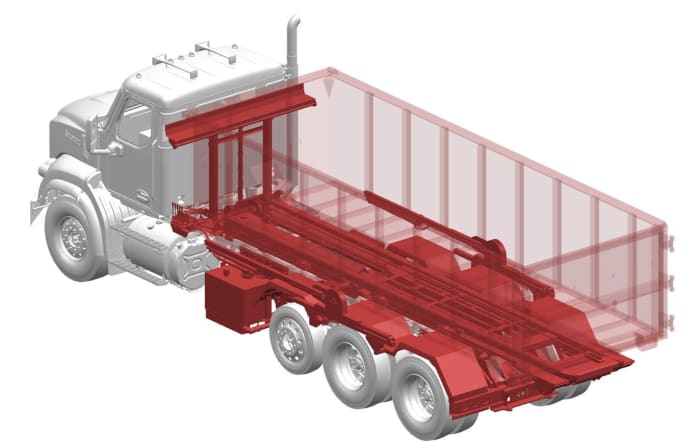
Since the whole system – chassis plus body – is pre-engineered and then assembled as one complete tool, Autocar said its finished trucks comply with all FMVSS and EPA regulations when they roll off the assembly line.
Image: Autocar
Enhanced safety is another benefit of Autocar’s Power of One integration, according to the company. Since the whole system – chassis plus body – is pre-engineered and then assembled as one complete tool, Autocar’s finished trucks comply with all FMVSS and EPA regulations when they roll off the assembly line. This is one more aspect of the Always Up model that Autocar said differentiates it from other truck brands which typically are modified with specialty bodies after they are built, increasing the risk of noncompliance with safety standards and other government regulations.
According to Autocar, the Ultimate Power of One process starts with engineering each truck based on that specific customer’s needs and working closely with the selected body company’s engineers. All the body components are then installed during Autocar’s production process. So all the electrical harnesses are installed together, eliminating the risk of splices, loose connectors, or drilled access holes. Body components are huck-bolted onto the frame rails in the precisely correct locations, not welded, avoiding misplacement and damage to the rails. Autocar will also fully mount tarp systems and lighting kits, so when the truck rolls out of the Autocar factory it can go to work immediately.
“Building trucks with the Power of One process is a game-changer for our customers," said Eric Schwartz, managing director of Autocar Trucks. "They tell us they have experienced a significant improvement in uptime for the Power of One trucks already in service. There’s another benefit that the Ultimate Power of One takes ever further: We are able to deliver ready-to-work truck months faster than ever before. In fact, for trucks ordered now, we are committing to deliver completed trucks in calendar [year] 2019.”
Autocar offers the DC-64R with a wide range of Ultimate Power of One specifications. Roll-off hoists are available with 60,000- and 75,000-lb. capacities for 22- and 24-foot-long dumpsters. Telescopic, single-forward, and single-rearward-mounted cylinder configurations are also available. The DC-64R can be engineered with a rear-cab guard and with or without pusher axles, as the customer’s needs require. All are installed on Autocar’s production line.
More Equipment
Trucks at ATA's 2026 MC&E in Charlotte, North Carolina [Photos]
From rigs decked out in patriotic America's 250 paint schemes to autonomous trucks and more, check out these photos from ATA's 2026 Management Conference & Exhibition.
Read More →
Help HDT Find Trucking’s Top Products
Have you come across a new product that could make a difference for trucking fleets? Nominate it for HDT’s 2027 Top 20 Products Awards by November 9.
Read More →
Volvo Unveils New VNX Heavy-Haul and Vocational Truck
Volvo Trucks has launched the VNX, a new vocational truck also available as a tractor in day cab and two sleeper configurations, with one heavy-haul model. The Volvo VNX is powered by Volvo's D13 platform, which delivers up to 540 horsepower and 1,950 pound-feet of torque and is EPA 2027-compliant.
Read More →
How GP Transco Cuts Trucking Fuel Costs, a Tenth of a Gallon at a Time
What’s another tenth of a mile per gallon worth? GP Transco shares how equipment upgrades and driver coaching turn small gains into meaningful fuel savings.
Read More →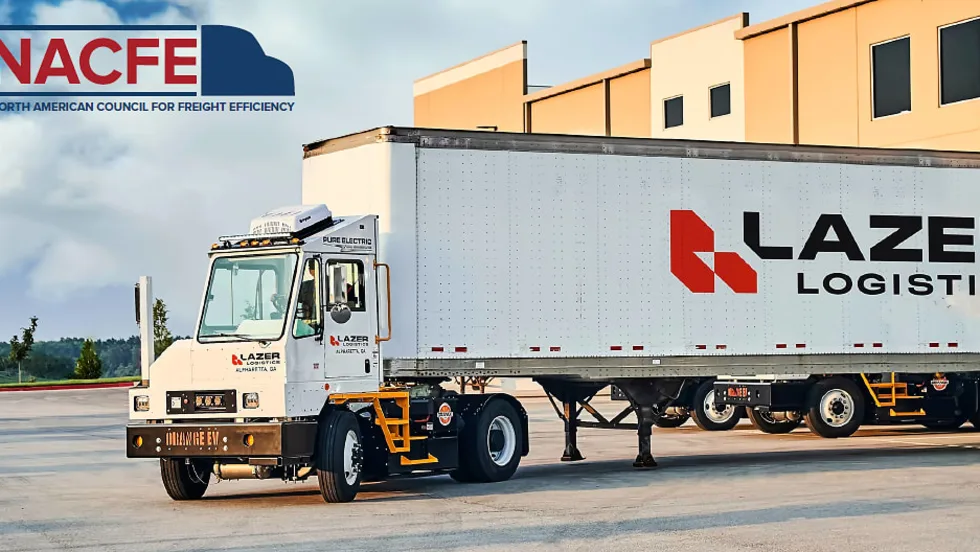
Electric Yard Tractors Move Beyond Pilots
Operating-cost savings have overtaken sustainability goals as the leading reason surveyed fleets are adopting battery-electric terminal tractors, according to new NACFE research.
Read More →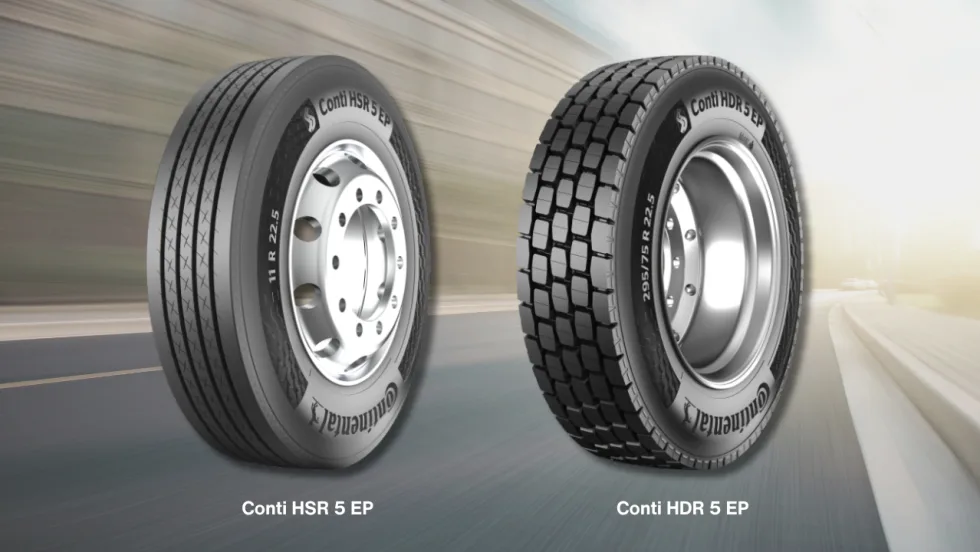
Continental Introduces New Regional Truck Tires
Continental says its new Generation 5 steer and drive tires for regional operations offer longer tread life, with estimated mileage gains of 22% and 19%, respectively.
Read More →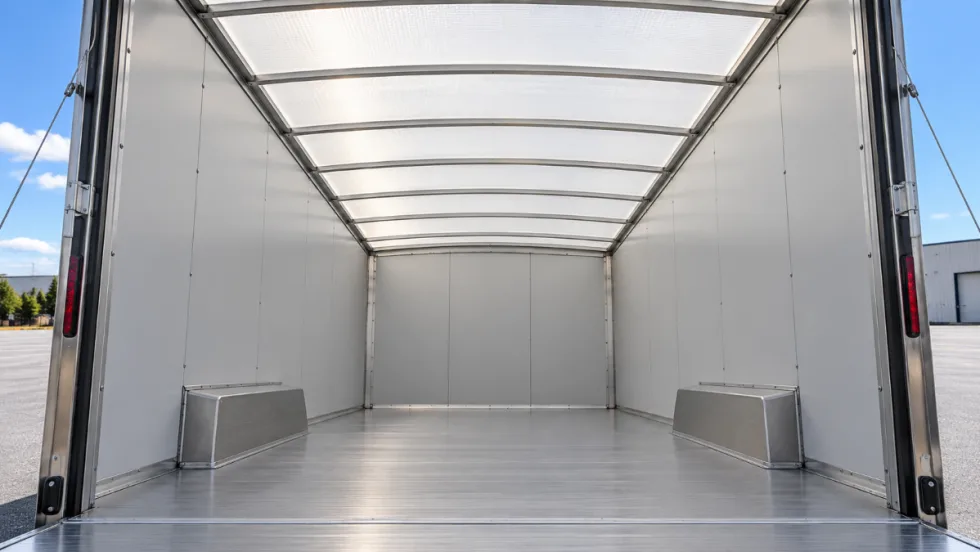
Tekmodo Introduces CargoBright Brand for Translucent Trailer Roofs
CargoBright is designed to diffuse daylight across the cargo area while performing as a working vehicle roof.
Read More →
Fleet Economics Shape Electric Truck Outlook
ACT Research expects costs, charging infrastructure, and technology improvements to drive zero-emission commercial vehicle adoption as federal regulations and incentives retreat.
Read More →
Kodiak Targets Dallas–Houston for Driverless Trucks
The company says its autonomous trucks are completing the I-45 run without a safety observer taking control. It plans to remove the observer by the end of 2026.
Read More →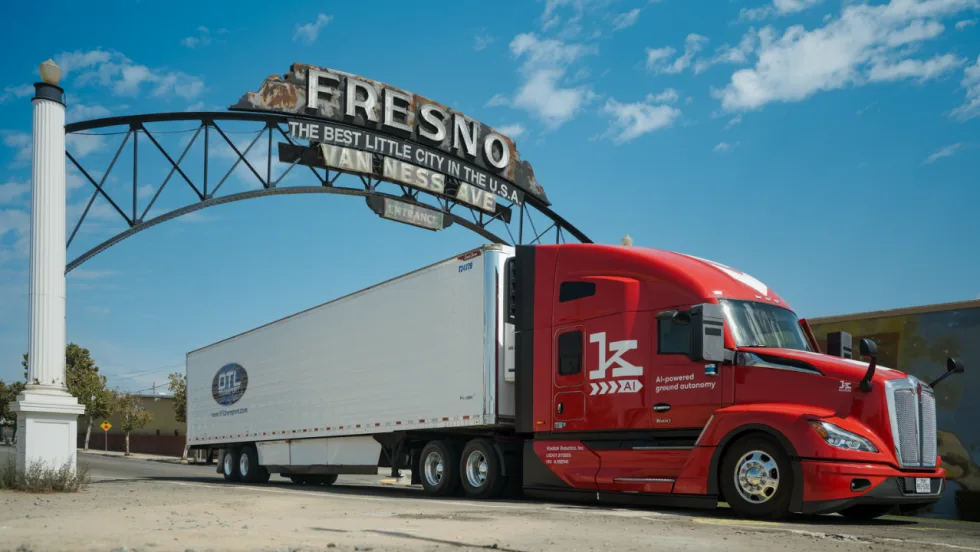
Kodiak Hauls Produce in California Autonomous Truck Pilot
Kodiak AI and DTL Transport have begun hauling produce between Fresno and Los Angeles under California’s new rules for testing heavy-duty autonomous trucks. A safety driver remains behind the wheel.
Read More →