





Have you heard about another round of emissions regulations coming in January of 2020 called IMO 2020?
Could Ocean-Going Fleets Raise Fuel Prices for Truck Fleets?
New emissions regulations targeting large ocean-going ships could raise fuel prices for trucking fleets at the pump on dry land, says NACFE’s Dave Schaller.
May 9, 2019
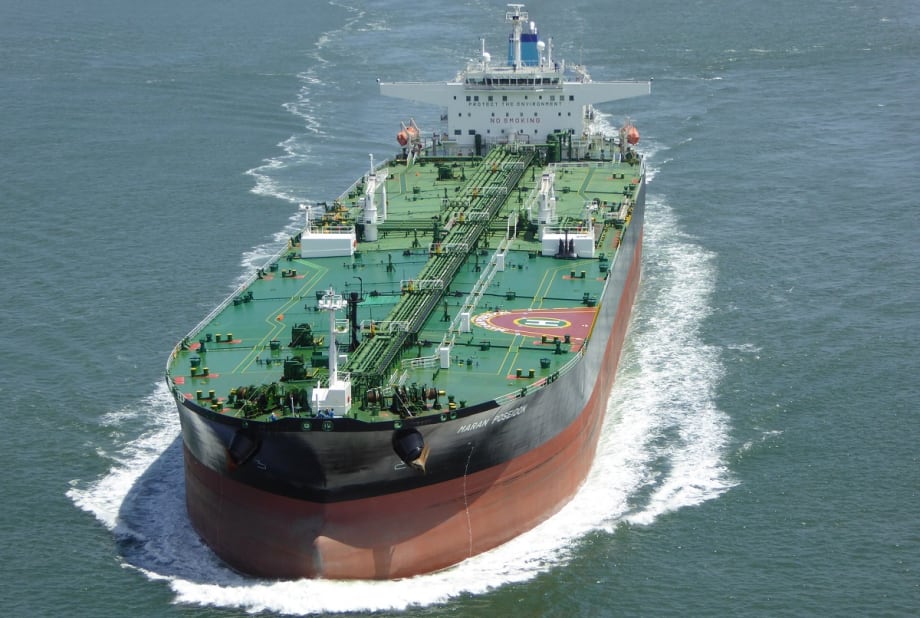
New emissions regulations targeting large ocean-going ships could raise fuel prices for trucking fleets at the pump on dry land.
Image by Gerhard Traschütz from Pixabay
3 min to read
If you haven’t, it’s understandable. IMO stands for International Maritime Organization — it’s the international group that sets policies and regulations for large, ocean-going vessels like container ships and cruise ships. Beginning next year, this organization will start to implement a round of emissions reduction regulations that sound all too familiar to trucking executives.
That’s was the word from David Schaller, the industry engagement director for the North American Council for Freight Efficiency, speaking at HDT’s Heavy Duty Trucking Exchange event in Scottsdale, Arizona, on May 9.
NACFE is a non-profit organization dedicated to helping North American fleet executives assess and deploy emerging technologies that can both help reduce the consumption of petroleum-based fuels while boosting the bottom lines for carriers.
Schaller opened his remarks by noting that recently, with fuel prices either low or hovering in a manageable price range over the past few years, fleet fuel efficiency — while important — hasn’t been the priority for some fleets that it was during the fuel price spike that drove many carriers out of business in 2007 and 2008. “And while at NACFE we always feel fuel economy is important, there’s good reason to think that it may become a priority for fleets again beginning next year.”
That’s because, Schaller told HDTX attendees, that beginning next year, the owners of large, ocean-going vessels will have to begin adopting either new technology, or new using new fuels, in order to meet the strict new emissions mandates imposed on the maritime industry.
“But unlike the trucking industry,” Schaller noted, “maritime fleets are being given a series of choices on how they can choose to meet those new standards. The first choice is to switch over to liquefied natural gas as a fuel for the vessel. The second is to install emissions scrubbers ... on the exhaust systems of these ships. And the third is to begin burning ultra-low sulfur diesel fuel in a vessel — the same exact fuel that powers the trucks in your fleet. And the fuel tanks on those ships hold an awful lot more fuel than the ones on your trucks do.”

David Schaller, industry engagement director for NACFE, said new diesel exhaust emissions regulations for the maritime industry could cause low-sulphur fuel prices to rise beginning next year.
Photo: Jack Roberts
Currently, most marine vessels burn a much dirtier, and cheaper, low-grade diesel fuel, which emits a much higher level of pollutants into the atmosphere than ultra-low sulfur diesel.
Obviously, Schaller said, given the laws of supply and demand, it’s logical to assume that as these new, high-volume users of ULSD begin to purchase large quantities of the fuel, prices will rise accordingly with the increased demand.
Schaller said that while it’s too soon to pin any exact figures on how large an affect the maritime industry will make on low-sulphur fuel prices, he did note that current estimates suggest that only around 10% of vessels were likely to switch to liquefied natural gas burning engines, with another 10% likely to install million-dollar emission scrubbers to exhaust systems. “In all, he said, “it seems like that approximately 75% to 80% of these vessels will simply opt to burn low-sulfur diesel in order to meet these new regulations.”
Luckily, Schaller said, the trucking industry has made tremendous strides in boosting tractor-trailer fuel efficiency since the dark days of sky-high fuel prices a decade ago, and added that promising new technologies are emerging — and being evaluated by NACFE — all the time.
“As an industry, we are much better poised to deal with rising fuel prices than ever before,” Schaller said. “And at NACFE, we always welcome partnerships with any company or organization will to help us evaluate and validate new fuel saving technologies or procedures as they come available.”
More Fuel Smarts
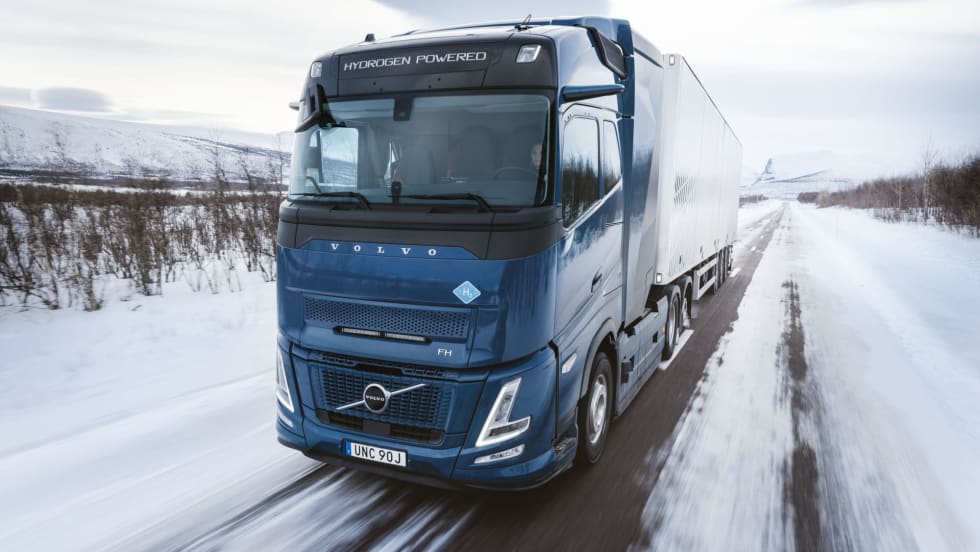
Volvo Testing Hydrogen-Fueled Internal Combustion Engines on Trucks in Europe
Hydrogen combustion engine trucks will be especially suitable over longer distances and in regions where there is limited charging infrastructure or time for recharging of battery-electric trucks, according to the company.
Read More →
Toyota’s Entry Into Cellcentric Signals Push to Accelerate Hydrogen Truck Adoption
By joining Daimler Truck and Volvo, Toyota brings fuel cell expertise to a joint effort aimed at making hydrogen viable for heavy-duty transport.
Read More →
U.S. Diesel Prices Hit $5.40, Top $7 in California
Trucking operators are slowing speeds, cutting empty miles, and declining unprofitable freight as diesel costs continue to rise due to conflict in the Middle East.
Read More →
EPA Targets DEF Sensor Failures Behind Truck Derates
New guidance allows engine makers to replace problematic DEF sensors with NOx-based systems, aiming to reduce unnecessary derates and downtime caused by failures in the sensors designed to monitor diesel exhaust fluid on trucks.
Read More →
Heavy Duty Trucking is Searching for the Top Green Fleets of 2026
Is your company a leader in sustainability efforts among trucking fleets? If so, Heavy Duty Trucking's editors want to hear from you.
Read More →
What's Real in Advanced Truck Technology? ACT Expo's Erik Neandross Weighs In
Artificial intelligence, the software-defined vehicle, telematics, autonomous trucks, electric trucks and alternative fuels, and more in this HDT Talks Trucking interview
Read More →Why Diesel Is Climbing Fast—and What the Iran Conflict Has to Do With It
With global oil flows disrupted, U.S. diesel prices have topped $5 across every region, climbing sharply in the past few weeks.
Read More →
From Diesel Prices to Cyberattacks: How the Iran War Is Affecting Trucking
The impact of the Iran conflict extends beyond fuel costs, bringing more fraud and cybersecurity risks to the trucking industry.
Read More →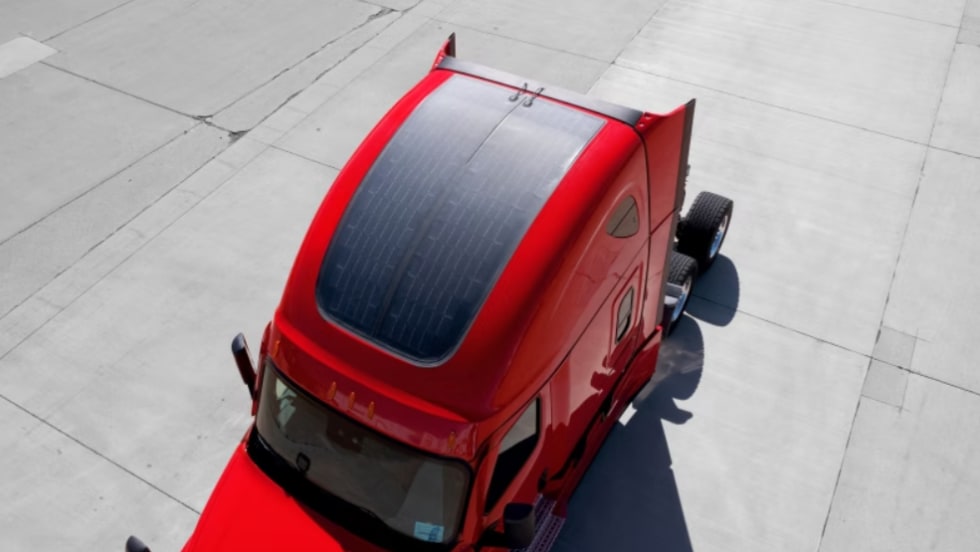
Vanair Introduces Solar, Battery Power Ecosystem for Class 8 Trucks
The company’s expanded EPEQ ecosystem includes flexible solar panels, lithium batteries, hydraulic power systems, and a portable fast charger for electric trucks.
Read More →
Run on Less “Messy Middle” Data Shows Multiple Paths for Truck Powertrains [Listen]
Listen as Mike Roeth of the North American Council for Freight Efficiency shares insights into battery-electric trucks, natural gas, biofuels, and clean diesel on this episode of HDT Talks Trucking.
Read More →