




Related: Why Not Propane?
Top 3 Maintenance Tips for Propane Vehicles
Technicians don’t need to worry when they hear the word “propane.” Aside from a few differences, propane autogas vehicles are much like gasoline-fueled models when it comes to keeping them running.
by Todd Mouw, Roush CleanTech
August 16, 2018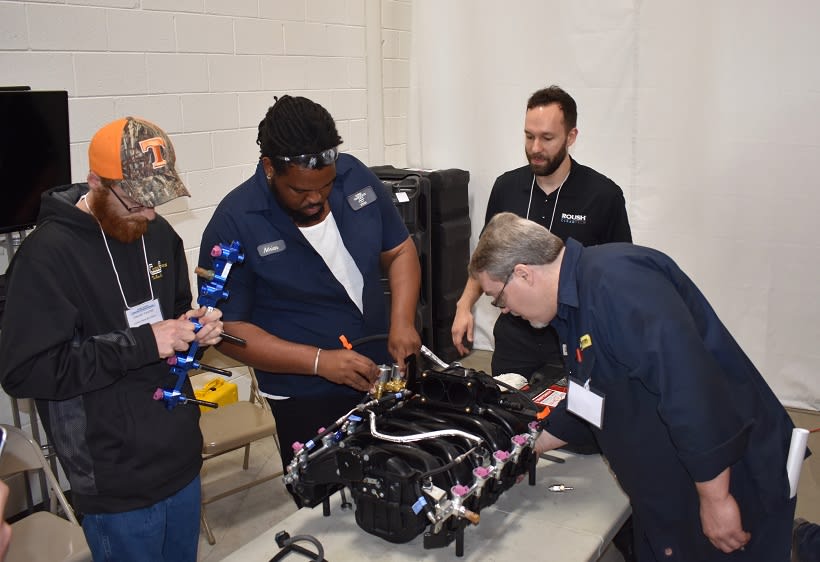
Roush CleanTech trained more than 1,000 technicians on propane autogas vehicles in 2017.
Photos courtesy Roush CleanTech
3 min to read
Automotive technicians don’t need to worry when they hear the word “propane.” Aside from a few differences, propane autogas vehicles are much like gasoline-fueled models when it comes to keeping them running. And in some cases, even easier. Here are the top three tips from Roush CleanTech’s field service team to consider when maintaining a propane vehicle.
Tip #1: Don’t fear the unknown
Propane has been around for more than 100 years to fuel vehicles. More than 27 million vehicles travel worldwide with propane autogas in their fuel tank. This includes shuttles, school buses, delivery vans, construction trucks, transit vehicles and more.
Although propane is referred to as “propane autogas” when used as an on-road transportation fuel, it’s the same stuff used to heat up homes or fire up a back-yard grill. It's a cost-saving energy source that is making strides in the U.S. transportation industry. For more than 30 years, the cost of propane autogas has been, on average, 50% less than the cost of diesel.
Propane autogas is a readily available, domestically produced fuel used to power vehicles. More than 90% of the United States propane autogas supply is produced domestically, with an additional 7% from Canada.
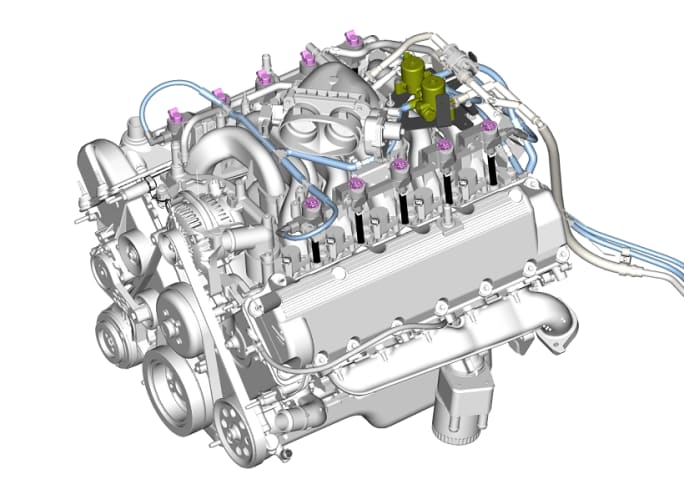
Roush CleanTech’s class 4-7 propane autogas vehicles come equipped with Ford 6.8L engines.
Tip #2: Know the maintenance differences
Today’s diesel vehicles are cleaner than those of years past, but the tradeoff has been expensive and high-maintenance emissions and aftertreatment systems, which aren’t required on propane autogas models. Propane’s chemical properties allow it to power an engine while reducing the emissions released into the atmosphere without aftertreatment equipment. Heavier-duty vehicles fueled by propane autogas emit fewer greenhouse gases and total hydrocarbon emissions, and virtually eliminate particulate matter, when compared to conventional diesel-powered heavy-duty vehicles.
In addition, engines fueled by propane autogas require less oil by volume than diesel and no additional diesel emission fluids or extra valve adjustments.
There are a few differences to consider. When depressurizing the fuel lines in a propane vehicle, follow manufacturer recommended procedures. Fuel lines typically maintain pressure after shutdown.
Since safety is key, be sure to wear appropriate personal protection equipment, such as propane safe gloves and safety glasses, whenever servicing a propane fuel system.
Tip #3: Follow the owner’s manual
Just like with any vehicle, always refer to the vehicle owner’s manual for regular maintenance — even with a propane model. Follow the manufacturer’s recommended oil change intervals, but be aware that the oil may not look like it needs changing because propane burns cleaner. This helps keep your propane engine clean, but the oil should still be changed at the recommended interval. There are necessary protective additives in engine oils that can still wear out. Make sure you are using the proper oil levels with fuel filters changed every 50,000 miles. Continue with basic maintenance — changing and inspecting spark plugs, air filters, battery, etc., at proper intervals — just like you would with diesel or gasoline vehicles.
If you have questions about the propane fuel system in a vehicle, call the fuel system manufacturer with any questions. They should be able to help you with the propane system components and might recommend a workshop to further your knowledge about the propane system. For all non-propane-related questions, contact the vehicle manufacturer directly.
About the Author: Todd Mouw is president of Roush CleanTech, a commercial industry provider of alternative fuel vehicle technology. Mouw has served as president of the NTEA Green Truck Association. This article was authored under the guidance and editorial standards of HDT’s editors to provide useful information to our readers. You can read more about propane autogas and other alternative fuels in our upcoming September 2018 alternative fuels issue.
Subscribe to Our Newsletter
More Maintenance
Rush, MCT Team Up to Grow Refrigeration Service Network
The joint venture will operate MCT's network of Carrier Transicold dealerships and mobile service locations, with the companies promising greater service capacity and uptime for refrigerated fleets.
Read More →
ConMet Expands Aftermarket Brake Drum Lineup With TruCast
A new heavy-duty truck brake drum option in the aftermarket gives customers more flexibility within the ConMet product family.
Read More →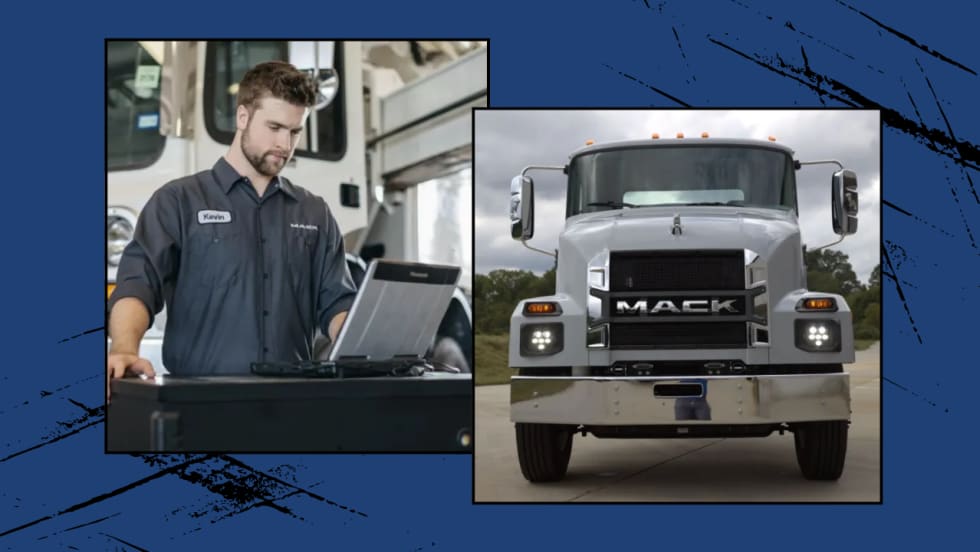
Mack Expands Premium Service Contract Coverage to Medium-Duty MD
With a service contract, inspections, preventive maintenance and repairs can be handled in a single visit instead of multiple ones.
Read More →
Maintenance in the Messy Middle Part 5: Battery-Electric Trucks
No oil changes. No diesel exhaust fluid. No exhaust aftertreatment. But NACFE battery-electric trucks still require specialized maintenance procedures.
Read More →
Trucking Fleets Faced Record Operating Costs During Third Year of Freight Recession
ATRI's annual operational cost report shows carriers trimmed fleets, delayed equipment purchases, and ran older trucks as expenses continued to outpace freight rates.
Read More →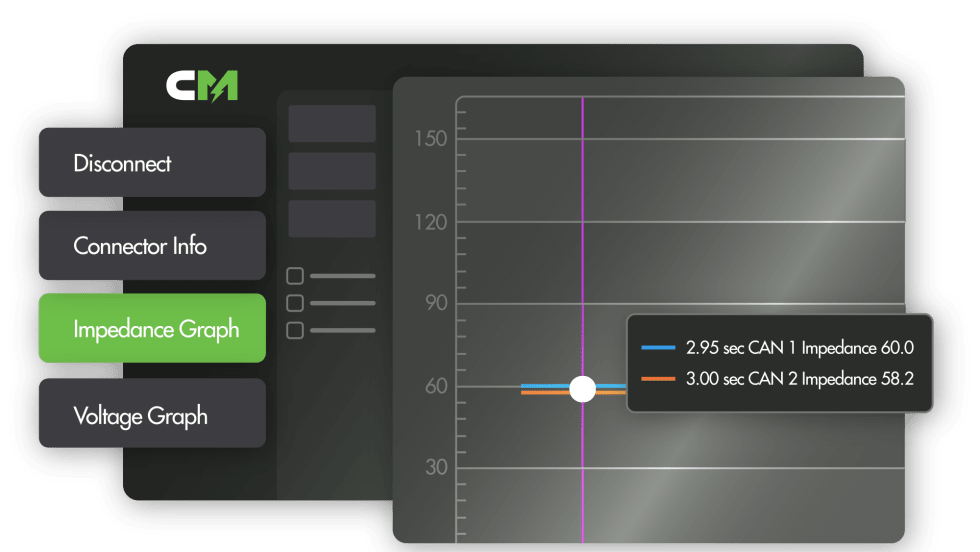
Noregon Launches CAN Mentor to Simplify Vehicle Network Diagnostics
New Noregon software helps technicians identify CAN network issues without requiring advanced diagnostic equipment or specialized training.
Read More →
Maintenance in the Messy Middle Part 4: Renewable Natural Gas
The keys to running renewable natural gas as a fleet fuel depend on specialized technician training, rigorous inspection schedules and an understanding of high-pressure fuel systems.
Read More →
Mack Adds 'Lock & Leave' Feature to Simplify Over-the-Air Software Updates
Mack’s new OTA enhancement allows drivers to start eligible software updates, lock the truck and walk away.
Read More →
Maintenance in the Messy Middle Part 3: Biodiesel
Biodiesel can reduce emissions, improve fuel-system lubricity and use existing diesel infrastructure. But NACFE’s Messy Middle maintenance report says fleets must actively manage storage, cold-weather operation, filters and oil drain intervals to avoid problems.
Read More →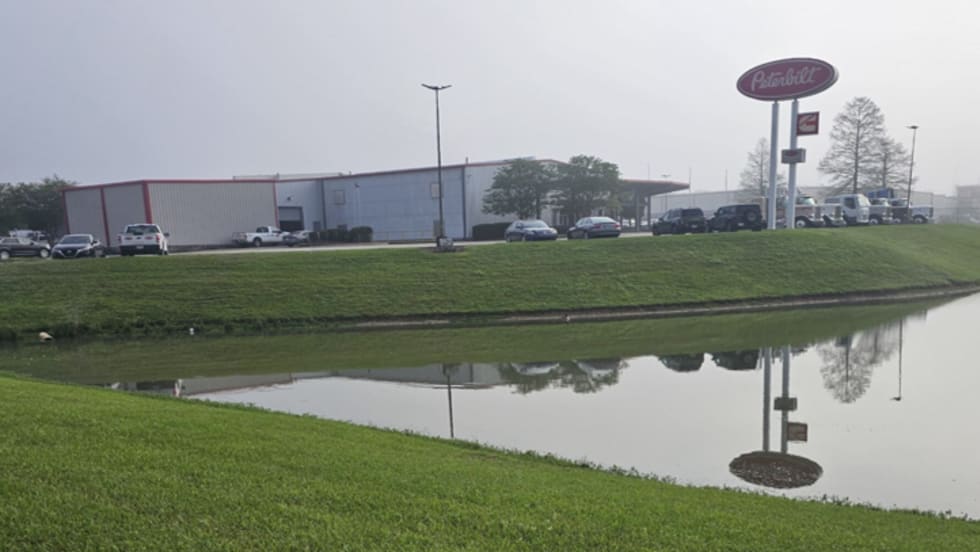
Rush Expands Gulf Coast Peterbilt Network With Louisiana Acquisition
The expanded Rush network gives fleets additional sales, service, leasing and collision repair support across Louisiana's major trucking markets.
Read More →