




TravelCenters of America Opens First Retread Center
TravelCenters of America has opened the TA commercial Tire Network Retread Center in Bowling Green, Ohio.

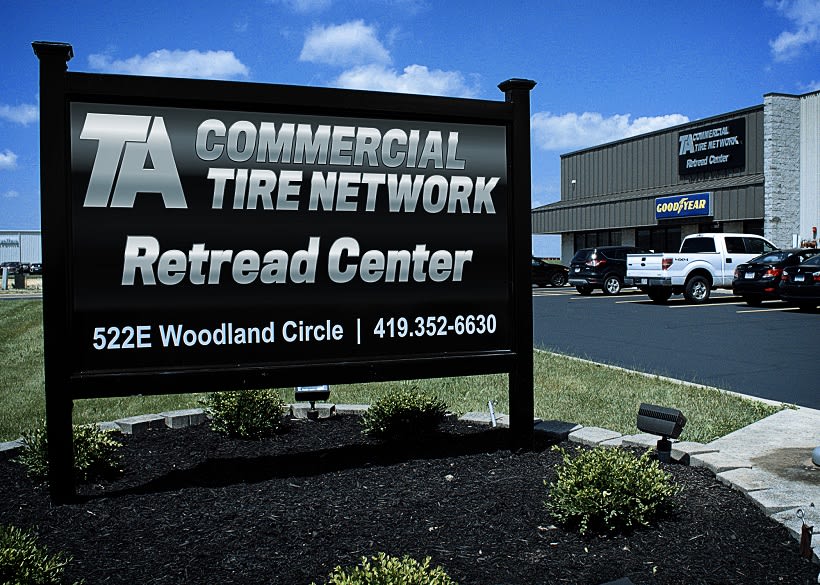
TravelCenters of America has opened its first retread location, the TA Commercial Tire Network Retread Center, in Bowling Green, Ohio.
Photo courtesy TA
TravelCenters of America has opened the TA commercial Tire Network Retread Center in Bowling Green, Ohio.
The Retread Center is part of the Goodyear Authorized Retread Network and customer-owned casings can be retreaded with Goodyear treads. The location features a 32,000-square foot retread center that offers Goodyear commercial tire retread products, including Goodyear UniCircle retreads, to fleets located within a 150-mile radius of Bowling Green.C
Customers will be able to purchase Goodyear retread tires at the facility, as well as shop a full line of new Goodyear brand tires in the remodeled showroom. Tire inspection and repair services, as well as roadside service, will also be available at the retread center. In addition, numerous TA Truck Service facilities will have access to Goodyear brand retread tires produced at this plant.
“We have a winning combination – a newly renovated facility in a great community, state-of-the-art retread equipment and an operations team with over 150 combined years of expertise in the retread business,” said Barry Richards, president and chief operating officer of TravelCenters. “Now we have the ability to provide a complete tire management system and retread tires for national and local fleets, local industries, regional construction and the agricultural segments.”
Related: TravelCenters of America to Launch TA Express Brand
More Maintenance

Oil Crisis Squeezes Trucking Lubricant Supplies
Fleets report higher lubricant costs as Middle East disruptions tighten supplies of ingredients used in synthetic engine oils and some driveline lubricants.
Read More →
Shell Prepares Rotella Oils for 2027
New CL-4 and FB-4 formulations will begin arriving in early 2027, with improved protection against oil breakdown, wear and deposits, according to Shell.
Read More →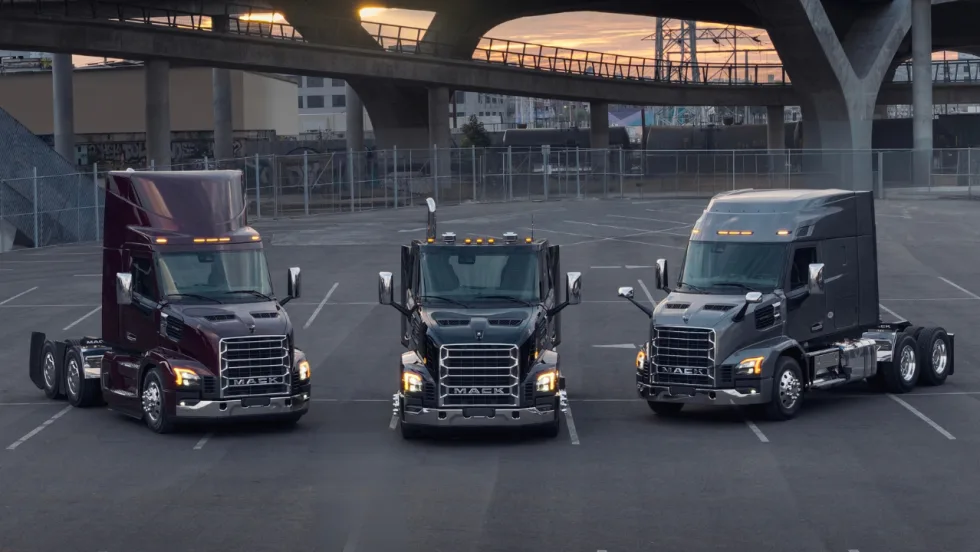
Mack Expands Extended Coverage With Four Chassis System Plans
Mack Trucks' new system-specific coverage options allow heavy-duty fleets to select protection for driveline, cab, HVAC, electronics, and advanced safety components.
Read More →
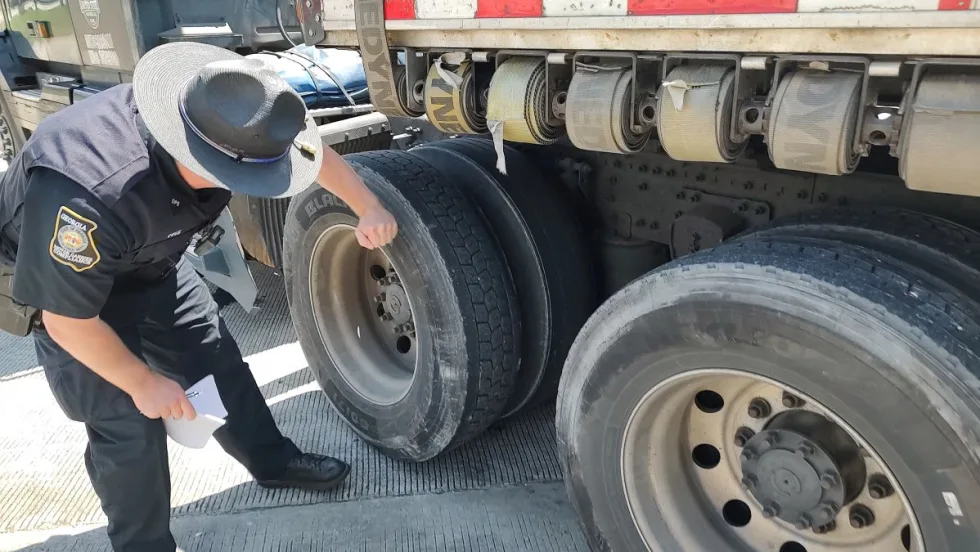
What an Out-of-Service Order Really Costs, and How to Plan for One
The repair invoice is the first number you see — and often one of the smallest. Here’s what else an out-of-service order can cost a fleet, and how planning can reduce the damage.
Read More →
International Launches Online Truck Parts Store
Fleetrite.com lets fleets and repair shops find OEM and all-makes parts, check prices and availability, and order without calling a parts counter.
Read More →
Continental Introduces New Regional Truck Tires
Continental says its new Generation 5 steer and drive tires for regional operations offer longer tread life, with estimated mileage gains of 22% and 19%, respectively.
Read More →
How AI Can Help Your Techs’ Efficiency
The technician shortage isn't going away, and no single fix can close the gap on its own. Trent Broberg makes the case that AI's real job in the shop is protecting the billable hours and job satisfaction of the techs you already have, not asking them to work faster.
Read More →
Color Match Smarter: Tools That Restore & Perform
For fleet managers and collision repair professionals keeping heavy-duty trucks on the road, getting the color right the first time isn't just about appearance — it's about efficiency, turnaround time, and bottom-line results. Discover how today's digital color tools are transforming the repair process from guesswork to precision.
Read More →
Wrong Repair Prompts Recall of Freightliner, Western Star 4x2 Trucks
DTNA is recalling more than 2,400 trucks that received an incompatible software fix instead of the hardware repair required to address brake valve corrosion.
Read More →
Truck Drivers Need More Than Another Alert
Fleets have more visibility into truck health, safety events, and driver activity than ever. The next challenge is turning all that information into useful guidance for the person who has to decide what to do next.
Read More →