




Eisenhower and the Interstate
Because of his personal experiences as both a lowly Army officer and Supreme Commander of Allied Forces Europe, Dwight Eisenhower understood the importance of a modern highway system better than any other leader of his time. Part 2 in a series.

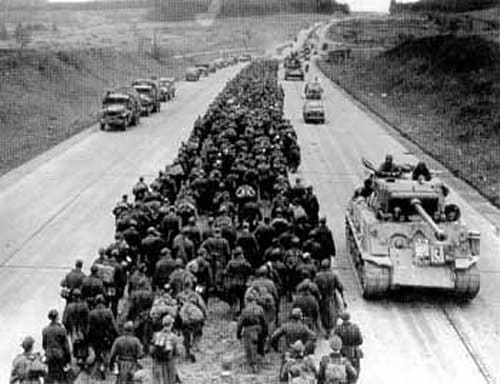
German POWs march to the rear while U.S. Army forces advance in both lanes on the German Autobahn in this iconic 1945 photograph. Photo: U.S. Army
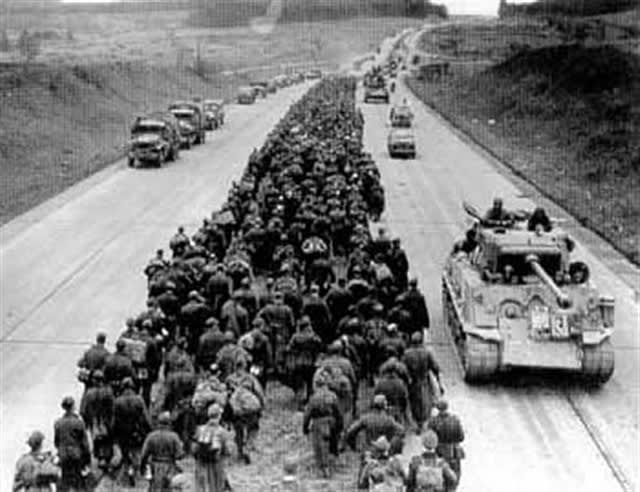
German POWs march to the rear while U.S. Army forces advance in both lanes on the German Autobahn in this iconic 1945 photograph. Photo: U.S. Army
By early 1945, the young officer who’d led a primitive convoy of motorized transports across the continental United States was one of the most famous men in the world. General Dwight Eisenhower the Supreme Allied Commander of the European Theater of Operations – the combined assault on occupied Europe and Nazi Germany.
Ike had already overseen the largest amphibious assault in history with the American, British, Canadian and Free French landings in Normandy on D-Day and watched as his armies slowly ground their way across Europe into Germany proper itself.
Now, in the Spring of 1945, victory was in sight. By any reasonable estimation, the German war machine ought to be on the verge of collapse. And yet, with even vastly decimated military units at their disposal, the German Army, or Wehrmacht, was fighting one of the greatest defensive actions in the history of warfare.
This was a remarkable holding action on several counts. First off, German dictator Adolph Hitler’s vaunted “Blitzkrieg” mechanized forces had been exposed as something of a myth. In reality, the German Army was far more dependent on railroads and even horse-drawn transportation than the other warring powers. And the dwindling stock of motorized vehicles and tanks were hampered by a lack of fuel and spare parts, and a transportation network badly disrupted by Allied bombing.
And yet, the Germans were able to move their badly limited forces around with surprising ability whenever the Allies launched another offensive thrust deeper into the Fatherland.
U.S. troops were shocked when they finally moved into the German homeland. While much of Europe was decidedly primitive to American eyes, Germany was different. It was, in many ways, a modern society with an advanced infrastructure that reminded many young Americans of home. And the crown jewel of the infrastructure network was the Autobahn State Freeway System that spanned the German nation.
Although commonly associated with Hitler and the Nazis, the Autobahn actually began during the 1920s. But inflation and a barely functioning government meant that work was slow and little progress was made. Within days of being voted into power, however, Hitler enthusiastically embraced the national highway project as a way of putting millions of Germans back to work at the height of Great Depression.
What the Autobahn Meant for Military Logistics
Hitler had ulterior motives, too. He hoped to boost Germany’s automotive and tourist industries with a national road network. And, of course, it went without saying that such a road network would come in handy moving men and material around should the German nation ever find itself fighting a two-front war with France and Russia again.
The Americans were astounded by the Autobahn, which was superior and far more extensive than the patchwork of two-lane highways spread across the United States haphazardly. The German road network was engineered for high-speed vehicle travel, with modern drainage systems and a system of entry and exit ramps that bypassed city centers – as well as the small-town endless traffic lights American drivers had to endure on long trips.
The roads were a wonder of modern engineering. In some sections, the Germans were even able to use them as front-line runways for their new ME 262 jet fighters as well as deploying ground forces to check Allied advances.
But as useful for the Germans as the highways were, it was the Americans, with their truly mechanized force and a constantly-running, truck-powered, supply line behind them that were able to eventually capitalize on the highways and move advance toward victory.
Like any of us, Eisenhower’s ideas on any given subject were molded by his own experiences. And by a true quirk of history, his experiences with a modern highway network (or the lack of one) and motorized transport, were unique and grounded in realities and personal experiences on a vast scale.
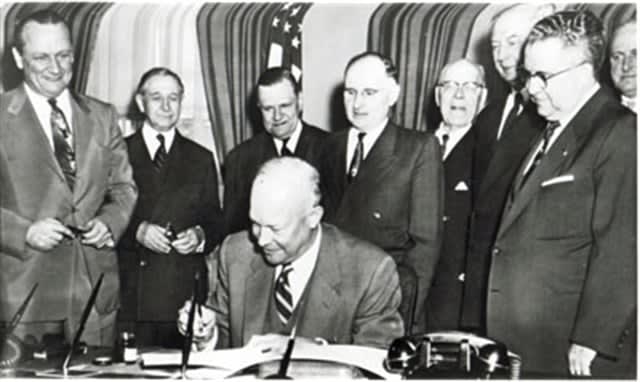
President Eisenhower signs the Federal Aid Highway Act into law on June 29, 1956. Photo: Federal Highway Adminstration
Ike’s reputation after the war was such that the presidency was virtually his for the taking. And in 1952, he did just that, winning an election against Adlai Stevenson by a decisive margin. And only a couple of years into his first term, Eisenhower signed the Federal Highway Act of 1954, pitching his vision of a continent-spanning super highway as an essential weapon in the Cold War against Russia.
More Blog Posts

That Time Mack Trucks Threw Me a Birthday Party
Sometimes the best birthdays are the ones you never planned. Mine happened courtesy of one of America's oldest truck manufacturers, and it reminded me why I still love this industry after more than three decades.
Read More →
Trucking Should Prepare for Long Siege of High Fuel Prices
Many in trucking are treating today's fuel-price surge as a temporary disruption. History suggests they may be making a costly mistake.
Read More →
30 Days on the Road: April 2026
There was a glut of good news for the North American trucking industry. HDT's Jack Roberts takes a look back at our major stories from the month.
Read More →
30 Days on the Road: HDT's Monthly News Roundup for March 2026
HDT's Monthly News Roundup takes a look at the major North American trucking industry news stories from March, 2026.
Read More →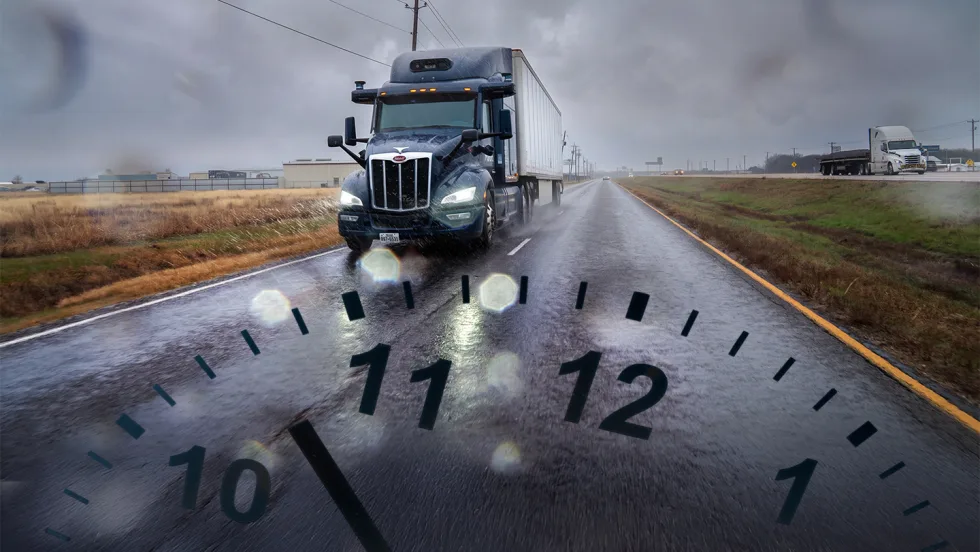
The Major Autonomous News No One is Talking About
Both Aurora Innovation and PlusAI have made under-the-radar announcements that signal a massive game-changer for trucking is coming soon.
Read More →
HDT's Monthly News Roundup: February 2026
February was dreary and dull -- as usual. But the North American trucking industry finally showed some signs of life. But how long that will last is anybody's guess.
Read More →
Like it or Not, The New Year is Here!
HDT's Monthly Trucking Newsletter looks back on the top stories from January, 2026.
Read More →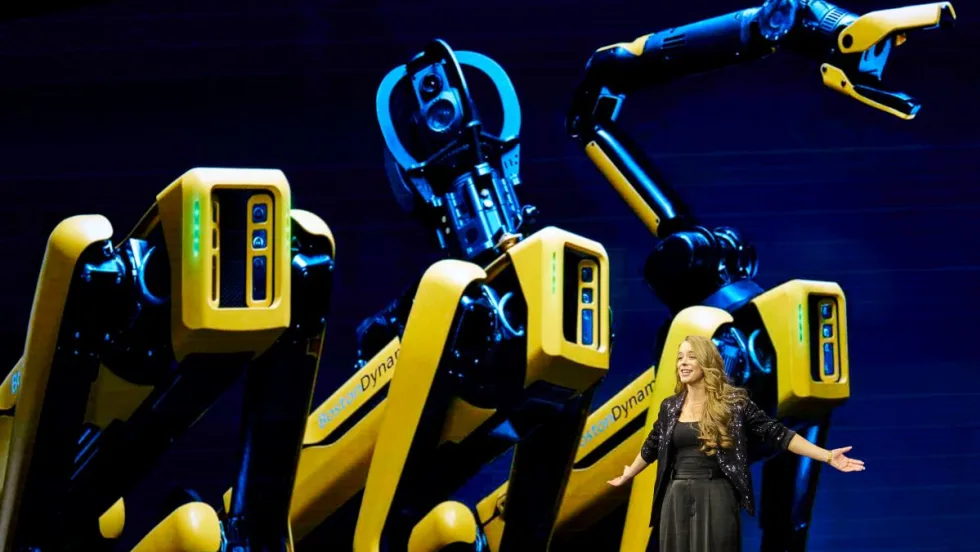
The Robots are Here
After a bruising year for trucking, CES 2026 felt subdued. Until it suddenly offered a glimpse of trucking's next disruption and reminded everyone that technology never waits for the next freight cycle.
Read More →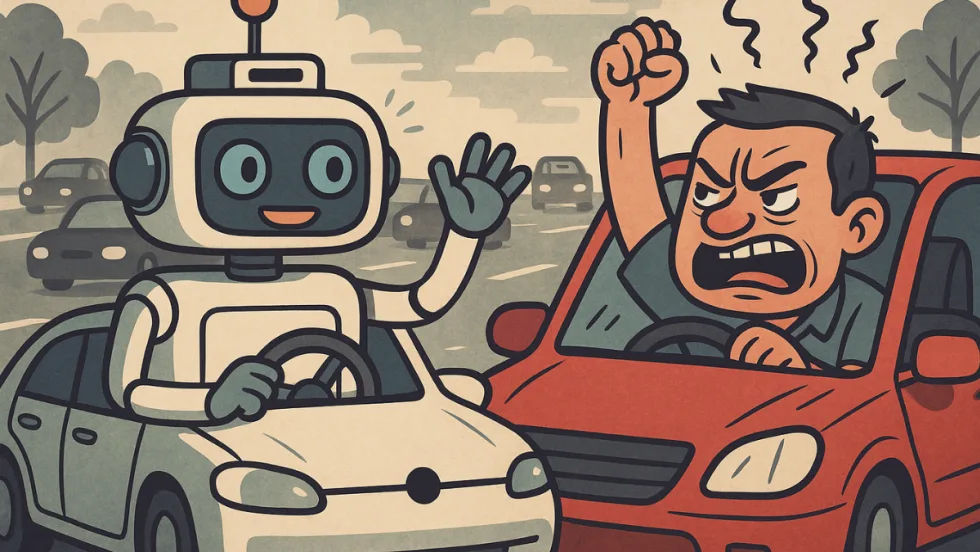
Robots and Road Rage
Computers never get angry. And that's a good thing on crowded stretch of interstate.
Read More →
For the Love of Old Trucks
Old trucks generally get ignored in classic car circles. Maybe that's changing.
Read More →