




As I write this at the end of September, it’s been a dizzying month of technology advances. We’re talking a stream of amazing stuff straight out of a science fiction story.
 MENU
MENU SEARCH
Drones, self-driving trucks, so-called “Uber” for freight transportation as well as the Internet of Things and Big Data all have the power to disrupt today’s ways of moving freight.

Deborah Lockridge
As I write this at the end of September, it’s been a dizzying month of technology advances. We’re talking a stream of amazing stuff straight out of a science fiction story.
The IAA Commercial Vehicles Show in Germany, for instance, highlighted what in Europe they call “digitization,” along with electric mobility and urban logistics, under the banner of “New Mobility World Logistics.” There were electric vans and autonomous trucks. Heads-up windshield displays with virtual side-view mirrors. Systems that can back up a truck to the dock without a driver at the wheel. Concept urban vehicles with delivery drones and robots and self-loading systems. (We’ll have more on what we saw at IAA in next month’s issue.)
On the plane trip home, I read a column in the International New York Times suggesting that presidential candidates Donald Trump and Hillary Clinton talk in their first debate about what they’re going to do about self-driving trucks.
Then Reuters published an article about Uber’s plans to transform the trucking industry, on the heels of its purchase of autonomous truck tech startup Otto. And UPS staged a test using a drone to deliver medication in a hard-to-reach location.
This is all after the Department of Transportation published its first set of guidelines for the development and regulation of autonomous vehicles.
Navistar and Volvo both unveiled their SuperTruck concept trucks, achieving 12 and 13 mpg. The North American Council on Freight Efficiency released a report on two-truck platooning’s potential for fuel savings.
And it’s not just technology on the truck itself. The TMW/PeopleNet In.Sight conference highlighted how information technology, telematics, the Internet of Things and Big Data can transform the way the transportation industry works, keep the driver connected, and help fleets make better decisions both in real time and for long term strategies.
At FTR’s annual conference, along with a lot of economic analysis, “digital disruptions” were a highlighted topic. A survey of trucking/logistics and supply chain firms shows that drones, self-driving trucks, so-called “Uber” for freight transportation as well as the Internet of Things and Big Data all have the power to disrupt today’s ways of moving freight over the next seven to eight years, according to Steve Sashihara, CEO of the information technology and management firm Princeton Consultants.
“We don’t think people in general are going to order a 53-foot dry van trailer by an iPhone, hit a button and an owner-operator they have never met is going to respond and pick up the load, and all their intermediaries are gone,” he said. “But we do think it’s a useful incentive for looking at innovation, and it’s hard not to look at the taxi industry and say man, they were asleep at the switch.”
And that’s all just in the past month. Next month, we’ll have a reporter at the unveiling of the Nikola One, an emissions-free truck that it says will be powered by hydrogen fuel cells. (Never mind that it originally said it would be all electric.) Tesla CEO Elon Musk is working on electric autonomous trucks. (Musk, who also is with SpaceX, also outlined some grand visions for building a Mars settlement.)
Part of our job here at HDT is to help you stay on top of all these technologies and offer some insights into what is most likely to affect your company. But if you’re feeling a bit like George Jetson on his runaway treadmill, you’re not alone.
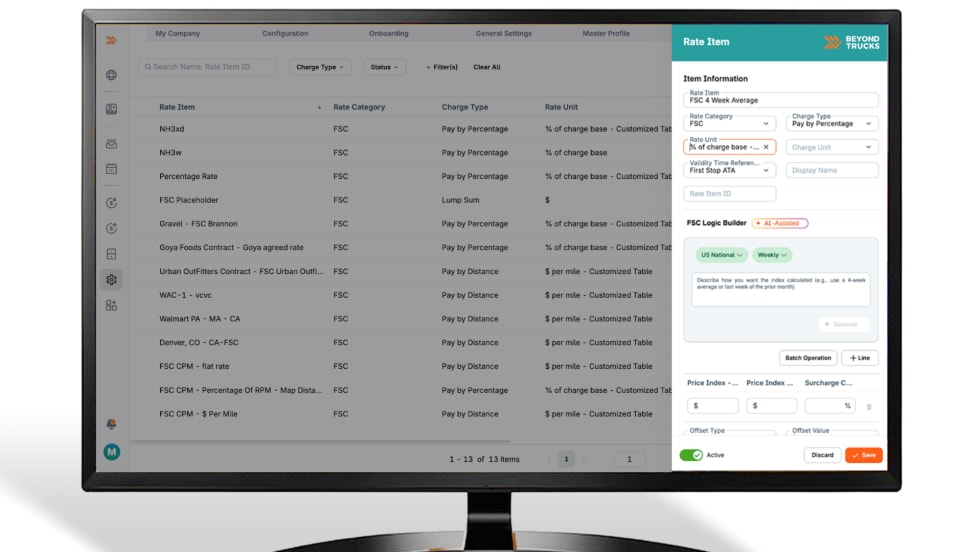
BeyondTrucks says its new RateAgents can turn plain-language rate logic into working code, starting with fuel surcharges — a critical but notoriously complex piece of carrier revenue.
Read More →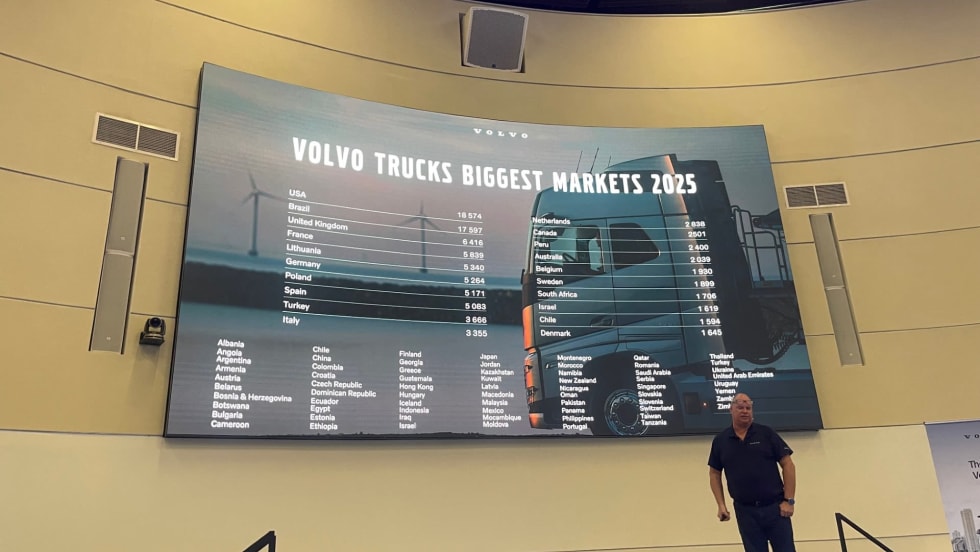
Soft freight conditions persist, but aging fleets, strong order intake, and new-product momentum signal a more optimistic second half of 2026, Volvo Trucks North America says.
Read More →
Cargo theft is evolving from regional smash-and-grab operations to sophisticated fraud schemes. Strategic theft now accounts for roughly a third of cargo crime, with incidents rising sharply in recent years. Here’s how the schemes work — and what fleets can do to protect themselves.
Read More →
Heavy Duty Trucking's Top 20 Products awards recognize the best new products and technologies. Check out the award presentations at the 2026 Technology & Maintenance Council annual meeting.
Read More →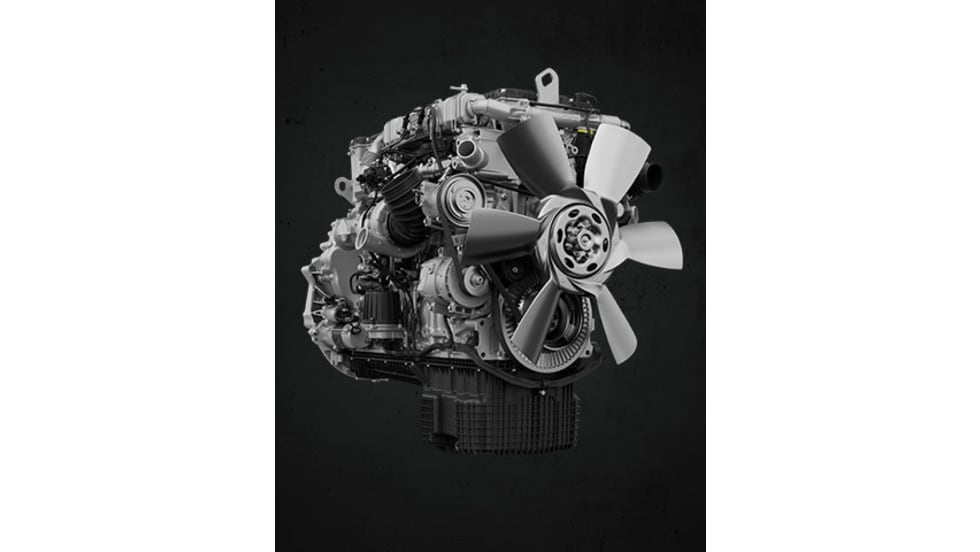
The Detroit® Gen 6 engine platform proves that real progress doesn’t require a complete redesign. Built on 20 years of trusted technology, these engines are designed for efficiency, stronger performance, and greater reliability than before. And they do it all while complying with 2027 EPA standards on every mile.
Read More →
The 2026 ACT Expo is focusing heavily on what organizer Erik Neandross calls trucking's digital frontier. This interview excerpt dives into artificial intelligence, zero-emission vehicles, and tips to make sense of it all.
Read More →
There's an amazing amount of new technology for trucking out there. For fleets, the challenge is figuring out what’s real, what’s hype, and what’s worth investing in.
Read More →
Artificial intelligence, the software-defined vehicle, telematics, autonomous trucks, electric trucks and alternative fuels, and more in this HDT Talks Trucking interview
Read More →
ACT Research data shows volumes hitting a four-year high and supply-demand balance strengthening, but higher oil prices are undercutting tariff relief and tempering optimism.
Read More →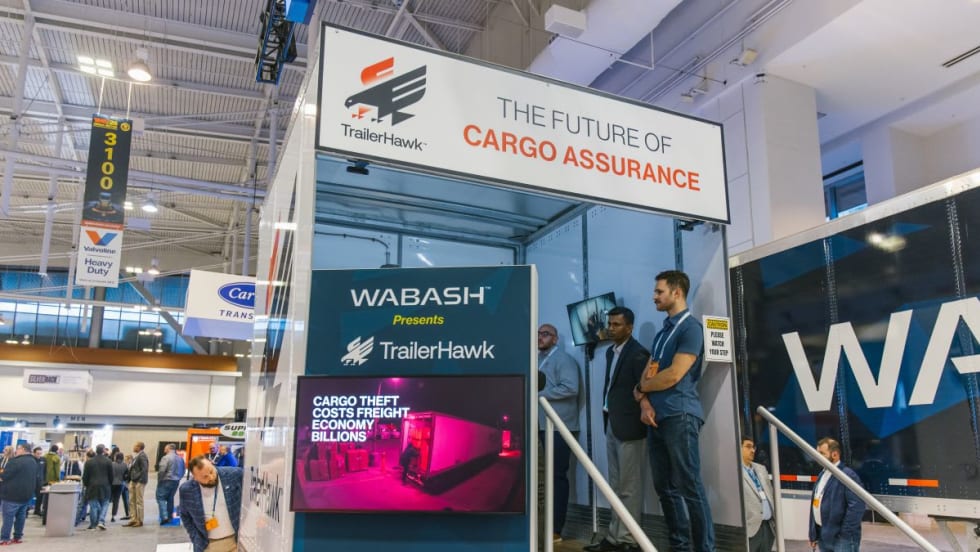
The patent-pending cargo solution integrates a digitally connected cargo door and an intelligent locking system with the TrailerHawk.AI technology platform.
Read More →